




Tire Pressure and Blowout Prevention: Summer Road Trip Prep for VW Owners
Key Takeaways
- Heat increases tire pressure, it doesn’t just affect the road surface. Rising ambient and pavement temperatures during a summer road trip can push tire pressure well above the recommended level.
- Underinflation is the more dangerous risk. A tire that starts underinflated builds excess heat far faster once on the highway, which is the leading contributor to blowouts.
- San Bernardino’s desert routes add extra strain. Long stretches of highway through hot, exposed terrain generate more sustained tire heat than shorter, cooler drives.
- A pre-trip check costs little and prevents a lot. A full tire inspection runs $20 to $50, while a blowout on the highway can mean a stranded vehicle and a far more expensive tow and repair.
Every summer, drivers heading out of San Bernardino for a road trip focus on packing, snacks, and playlists, and give barely a thought to the one component doing all the work of keeping the vehicle safely on the road. A full tire pressure and condition check runs about $20 to $50, while a blowout on a desert highway can mean a stranded vehicle, a costly tow, and in the worst cases, a serious accident. With summer heat pushing tire temperatures higher than most drivers expect, a few minutes of preparation before a long trip matters more here than in cooler parts of the country.
How Heat Actually Affects Tire Pressure
Tire pressure isn’t a fixed number, it rises and falls with temperature because the air inside the tire expands as it heats up. As a general rule, tire pressure increases by roughly one pound per square inch for every ten degree rise in temperature. On a summer day in San Bernardino, where pavement temperatures can run considerably hotter than the air temperature itself, a tire that was set to the correct pressure in a cool morning garage can end up meaningfully overinflated by the time it’s been driving on hot pavement for a few hours.
The more dangerous scenario, though, works in the opposite direction. A tire that starts out underinflated doesn’t just ride a little softer, it flexes more with every rotation, and that additional flexing generates significantly more internal heat than a properly inflated tire under the same conditions. On a long highway stretch at speed, an underinflated tire can build heat rapidly enough to weaken the internal structure of the tire, which is the mechanism behind the majority of highway blowouts rather than a simple, sudden failure with no buildup at all.
Why San Bernardino’s Routes Make This Riskier
Danny Whitfield, one of the technicians in the VW San Bernardino service department, points out that road trips leaving the area frequently involve long stretches of desert highway, whether heading toward the high desert along I-15 or east through the Inland Empire toward Arizona, where pavement temperatures regularly climb into a range that meaningfully accelerates tire heat buildup compared to shorter, cooler local drives. A tire that’s been fine for months of local commuting around Hospitality Lane and the surrounding area can behave very differently under the sustained heat and speed of a multi-hour desert highway stretch.
Felicity Okonkwo, who also works in the San Bernardino shop, adds that the exposed nature of much of this terrain means there’s often little shade or opportunity to let tires cool down during a long trip, unlike routes that pass through more forested or urban areas with intermittent shade and lower sustained speeds. This makes the pre-trip check meaningfully more important for anyone heading out of the Inland Empire for the summer than it would be for a similar length trip through a cooler, more shaded region.
What a Pre-Trip Tire Check Actually Involves
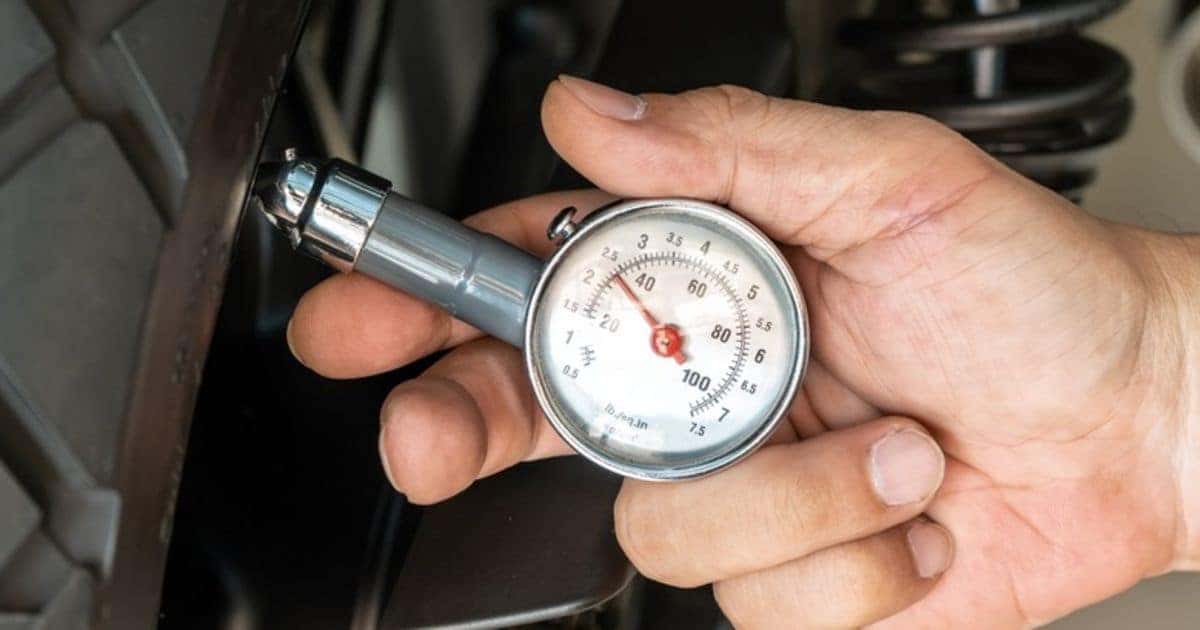
- Pressure verification at all four corners, plus the spare. Technicians check pressure against the manufacturer-recommended specification found on the door jamb sticker, not the number printed on the tire itself, since these two numbers serve different purposes and the door jamb figure is the correct one for the vehicle’s actual load and handling characteristics.
- Tread depth and wear pattern inspection. Uneven wear patterns can indicate an alignment or suspension issue that compounds heat buildup risk, while low tread depth reduces the tire’s margin for handling the added stress of a long, hot highway drive.
- Sidewall and surface condition check. Technicians look for cracking, bulging, or embedded debris in the sidewall and tread, since a compromised tire structure combined with summer heat is a far more likely candidate for failure than a healthy tire experiencing normal heat expansion.
- Spare tire and jack verification. A road trip prep check confirms the spare is properly inflated and the jack and lug wrench are present and functional, since discovering a flat spare after a roadside tire failure turns a manageable situation into a much more difficult one.
Cost Breakdown for Road Trip Tire Prep in San Bernardino
- Full tire pressure and visual inspection: Typically runs $20 to $50 and is worth requesting specifically ahead of any planned road trip rather than assuming a recent oil change service already covered it.
- Tire rotation combined with inspection: Usually falls between $40 and $80, and helps even out wear patterns before a long trip puts additional demand on the tires.
- New tire replacement (per tire, if needed): Generally ranges from $120 to $250 per tire depending on the specific size and type required for the vehicle, a worthwhile investment if inspection reveals a tire nearing the end of its usable tread life before a long trip.
- Emergency roadside tire failure (avoidable cost): A roadside tow and emergency tire replacement on a desert highway typically costs considerably more than the same service handled proactively before departure, on top of the lost time and disruption to the trip itself.
Reading the Signs of a Tire at Risk
Marcus Delillo, another technician who has worked across several VW locations including San Bernardino, notes that drivers often dismiss a tire that looks slightly low as not worth worrying about, particularly if it’s been that way for a while without an obvious problem. “A tire that’s been quietly underinflated for weeks is exactly the kind of tire that fails on a hot highway, not the one that looks obviously bad,” Delillo has noted about the pattern he sees in vehicles coming in ahead of summer travel. A consistent habit of checking pressure monthly, rather than only when a tire looks visibly low, catches slow leaks before they become a liability on a long, hot drive.
Building a Pre-Trip Habit That Fits This Climate
Given how much San Bernardino’s summer heat and desert route exposure accelerate the risks tied to tire pressure and condition, treating a tire check as a standard part of trip preparation, alongside the usual oil change and fluid top-off, makes sense in a way it might not in a cooler, more temperate part of the country. It’s a small, inexpensive step that directly addresses the leading mechanical cause of breakdowns on long summer drives out of the region.
If you’ve got a road trip coming up or it’s simply been a while since your tires were checked, the team at Volkswagen San Bernardino, located at 1600 Camino Real, San Bernardino, CA 92408, can run a full pressure and condition check and help make sure the only surprises on your trip are the good kind.
0 comment(s) so far on Tire Pressure and Blowout Prevention: Summer Road Trip Prep for VW Owners