




The SoCal Summer Grind: Why High Tire Pressure Matters on Hot San Bernardino Highways
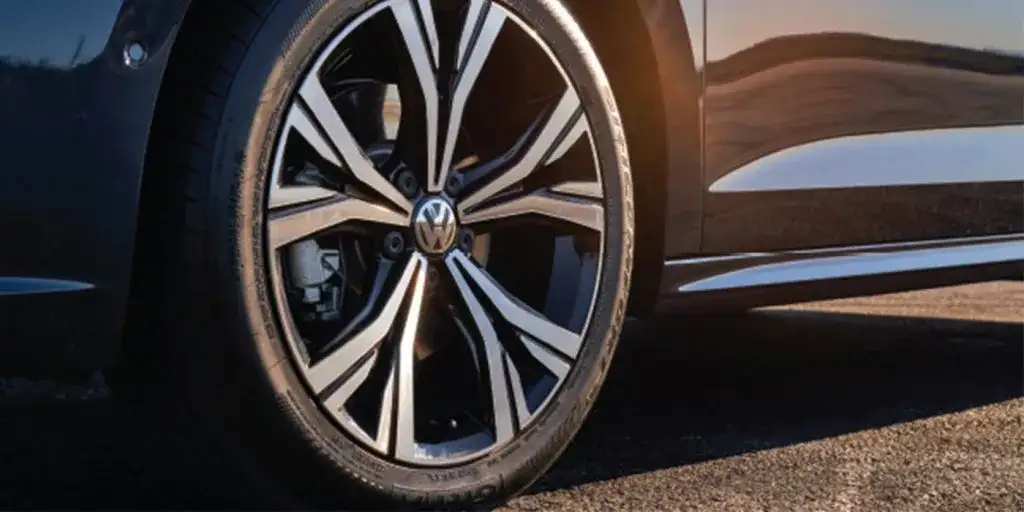
Summer in San Bernardino means triple digit pavement temperatures and long stretches of highway driving, whether you’re heading out the 215 toward Riverside or making the climb up the 18 into the mountains to escape the heat. What a lot of drivers don’t realize is that a tire pressure check that takes about five minutes and costs nothing can prevent the kind of blowout that leads to a $150 to $300 replacement tire and a ruined afternoon on the shoulder of the freeway. With pavement temperatures regularly climbing well past what your tires see in cooler months, keeping an eye on pressure matters more right now than almost any other time of year.
It’s a common misconception that low tire pressure is the only thing to worry about. In summer heat, the bigger issue for a lot of vehicles is actually overinflation, as air inside the tire expands as temperatures climb, and a tire that was properly inflated on a cool morning can end up running well above the recommended PSI by the time the asphalt has been baking for a few hours. Combine that with the friction generated by sustained highway speeds, and tires are working harder in July than they are in January, even though the road conditions look identical.
How Heat Actually Affects Your Tire Pressure
Tire pressure isn’t a fixed number. It shifts constantly based on temperature, and summer in the Inland Empire creates a perfect storm of conditions that push pressure higher than most drivers expect.
- Ambient and pavement heat compound each other. Air temperature might read 100 degrees, but asphalt on a stretch of the 10 Freeway can run significantly hotter than that, and your tires absorb heat directly from the road surface as you drive.
- Highway speeds generate additional heat through friction. Sustained speeds on long commutes or road trips heat tires from the inside out, on top of whatever heat they’re already absorbing from the pavement.
- Pressure increases roughly 1 PSI for every 10 degree rise. That means a tire set to the correct PSI on a 70 degree morning could be running several PSI over by midday, especially after an hour or two of highway driving.
- Overinflated tires wear unevenly and lose grip in the center. This reduces traction exactly when summer thunderstorms or sudden downpours make grip more important, and it also increases the risk of a blowout on long, hot stretches of highway.
- Stop and go traffic adds its own heat cycle. Idling and braking repeatedly through congestion on the 215 near Tri-City or the merge points downtown generates heat even without sustained speed, which means stop and go commutes deserve just as much attention as long highway stretches.
Danny Whitfield, a technician at our San Bernardino location, says tire pressure complaints spike every summer without fail. He often sees customers who set their pressure correctly in the spring and then don’t think about it again until something feels off on the highway, usually around the time the real heat sets in. He recommends checking pressure cold, before the car has been driven, rather than checking it after a hot freeway commute when the readings will be artificially high. He also points out that a lot of drivers assume the number printed on the tire’s sidewall is the target pressure, when it’s actually the maximum the tire can handle, not the recommended setting for everyday driving.
What to Check Before a Long Summer Drive
A few simple checks can keep your VW running safely through the hottest months:
- Check tire pressure when tires are cold. Early morning, before the car has been driven more than a mile or two, gives the most accurate reading. Compare it to the PSI listed on the sticker inside your driver’s side door, not the number printed on the tire itself.
- Inspect tread depth and look for uneven wear. Bald spots or excessive wear on the outer edges can be a sign tires have been running underinflated for a while, while wear concentrated in the center often points to overinflation.
- Don’t forget the spare. A spare that’s been sitting unused for a year or more can lose enough pressure to be useless in an actual emergency.
- Watch for the tire pressure warning light. Modern systems are good at catching pressure issues early, but the light only helps if you actually act on it rather than assuming it’ll reset itself.
A standard tire rotation and pressure check typically runs $20 to $40, while a full tire replacement on most VW models ranges from $400 to $800 for a set of four depending on the tire chosen. Compared to the cost and inconvenience of a blowout on the 215 during rush hour, that’s a small investment for a lot of peace of mind.
Driving Smart in the Heat Beyond Tire Pressure
Tires aren’t the only thing summer heat puts to the test. A few other habits help keep your VW running well through the season:
- Keep an eye on coolant levels. Long highway stretches in extreme heat put extra strain on the cooling system, and low coolant is one of the most common causes of summer breakdowns.
- Don’t ignore a dashboard warning light just because the car still feels fine. Heat-related issues can escalate quickly once they start, and what feels like a minor quirk in June can turn into a roadside call by August.
- Park in shade when possible. It’s a small thing, but it reduces the heat soak that contributes to higher tire pressure and a hotter cabin overall, and it also eases the load on your air conditioning system the moment you start driving.
- Give your tires time to cool before a pressure check after driving. A check done right after a freeway drive will always read high, which can lead to letting air out when the tire didn’t actually need it.
- Check your battery along with your tires. Heat is harder on batteries than cold is, and a battery that’s been quietly weakening over the past year or two is more likely to fail in summer than in any other season.
- Plan ahead for mountain routes. If you’re taking the 18 up toward Lake Arrowhead or Big Bear to escape the heat, remember that the climb itself puts different demands on your engine and brakes than flat highway driving, so it’s worth having both checked together before a trip like that.
San Bernardino summers ask a lot of every vehicle on the road, and tire pressure is one of those details that’s easy to overlook until it becomes a problem on the shoulder of the freeway. A few minutes of attention before a long drive goes a long way toward avoiding that entirely, and it’s a habit worth building into your regular routine rather than something you only think about once the dashboard light comes on.
If it’s been a while since your tires were checked, or you’ve got a long summer drive ahead of you, stop in and let us take a look. The team at Volkswagen San Bernardino, located at 1600 Camino Real, San Bernardino, CA 92408, can check your pressure, inspect your tread, and make sure your VW is ready for whatever the next heat wave brings.
0 comment(s) so far on The SoCal Summer Grind: Why High Tire Pressure Matters on Hot San Bernardino Highways