




Prepping Your VW for Mountain Runs: Engine Oil & Brake Prep for Big Bear Winter Trips
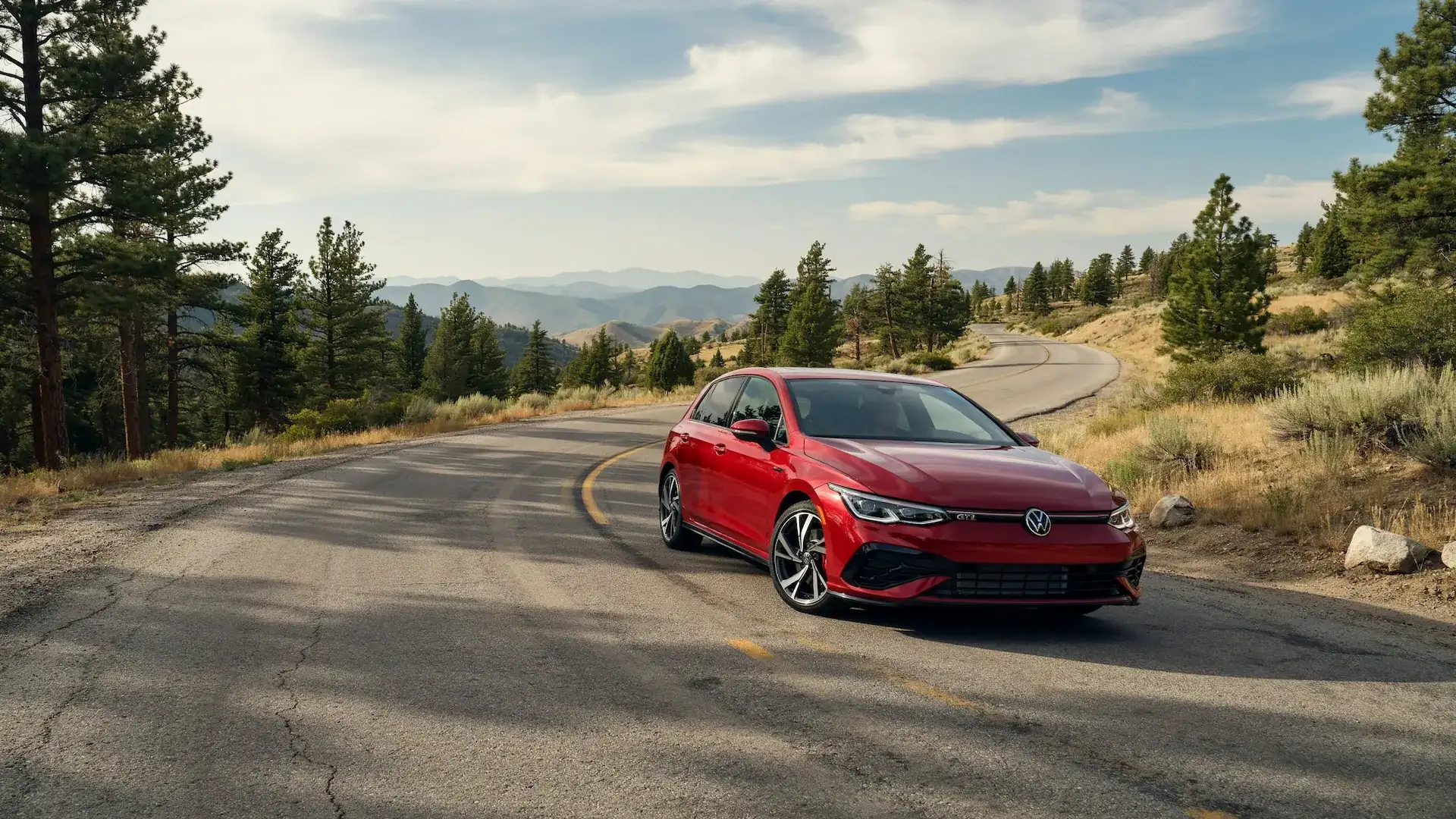
Key Takeaways
- Elevation puts real demands on your VW: The climb from the valley floor to Big Bear Lake gains thousands of feet in a short distance, and your engine works harder the whole way up.
- Oil protects under load: Fresh oil that meets Volkswagen’s specification resists heat and cold better, which matters when the engine is pulling hard on grades and then starting in freezing temperatures.
- Brakes carry the descent: Long downhill stretches generate heavy heat, so pads, rotors, and brake fluid all need to be in strong condition before you leave.
- Preparation beats a roadside stop: A pre-trip inspection costs far less than a breakdown on a switchback in winter weather.
There is nothing quite like leaving the warm valley behind and watching the scenery shift from city streets to pine forest and snow as you climb toward Big Bear. A pre-trip oil and brake check costs a small fraction of what a mountain breakdown or brake repair will run you, and it gives everyone in the car a safer ride. Your Volkswagen is built to handle these roads, but the combination of steep grades, cold temperatures, and unpredictable winter weather puts extra stress on two systems in particular: the engine oil and the brakes.
What Makes the Big Bear Drive So Demanding
The routes from San Bernardino into the mountains are some of the most dramatic in Southern California. Whether you take Highway 18 along the Rim of the World, Highway 330 through Running Springs, or Highway 38 up from Redlands, you gain roughly 5,000 feet of elevation over a relatively short distance. The road twists through tight curves, sustained climbs, and sections with sharp drop-offs where there is little margin for error.
Winter adds more variables. Temperatures can swing from comfortable in the valley to freezing at the lake, and storms can bring snow, ice, and chain controls with very little notice. Checking current road conditions and chain requirements through Caltrans QuickMap before you leave is a smart habit, because conditions can change while you are still driving up. Your vehicle needs to be ready for both the climb and the descent, and that starts with what is happening inside the engine.
Why Engine Oil Matters More in the Mountains
Climbing a long grade means the engine runs at higher load for an extended period, which raises operating temperatures and puts more stress on the oil. Thinner air at altitude also changes how the engine breathes, and turbocharged VW engines work to compensate. Oil that has aged past its service interval loses its ability to resist heat and shear, which reduces the protective film between moving parts at the moment they need it most.
Cold is the other half of the equation. When you park at the lake overnight and the temperature drops below freezing, the oil thickens, and the next morning’s startup depends on how quickly it flows. Fresh oil that meets the specification listed in your owner’s manual is engineered to balance cold flow and high-temperature protection. Volkswagen engines are particular about oil approvals, so using an oil that does not meet the required standard can shorten engine life, especially under demanding use. If you are close to your next service interval, do it before the trip rather than after, and the service team at the Volkswagen San Bernardino service center can confirm the right oil and interval for your specific model.
Oil Checks You Can Do Before You Leave
A few minutes in the driveway can tell you a lot about your engine’s readiness. Check the oil level with the engine off and the vehicle on level ground, and top off if it sits low, using only the oil type specified for your engine. Look underneath the vehicle and around the engine bay for fresh drips or wet spots that suggest a leak, and note whether the oil looks unusually dark or gritty. If your VW has an oil pressure or oil level warning light, treat it seriously and do not start a mountain trip until it has been addressed.
Pay attention to how the engine behaves during the warm-up. Unusual noises, rough running, or smoke from the exhaust are all reasons to have the vehicle inspected before heading uphill. Keeping the engine and cooling system in good condition matters just as much, since coolant level and condition are critical when the engine is working hard on a grade.
Brakes: The Most Important System on the Way Down
The drive up gets the attention, but the drive down is where brakes earn their keep. Descending thousands of feet in a few miles can generate enormous heat, and relying on the brake pedal alone to hold your speed is a common and dangerous mistake. Overheated brakes lose effectiveness, a condition known as brake fade, and the pedal can feel soft or the vehicle may take much longer to stop. That is a frightening experience on a winding mountain road, and it is largely preventable.
The best technique is to let the engine do part of the work. Shift into a lower gear or use your VW’s manual shift mode so engine braking helps control speed, then apply the brakes in firm, intermittent pressure rather than riding them continuously. This lets the brake components cool between applications. Combined with healthy pads, rotors, and fluid, this approach keeps your stopping power strong from the first switchback to the last. You can review general vehicle information and owner resources on the official Volkswagen website to better understand how your model’s transmission and drive modes work.
What a Brake Inspection Should Cover
A thorough pre-trip brake check looks at more than just the pads. Technicians measure the remaining pad thickness, inspect the rotors for scoring, warping, or excessive wear, and check the calipers for smooth movement and any signs of sticking. They also examine brake lines and hoses for cracks or leaks, and they test the condition of the brake fluid itself. Pay attention to any of these warning signs before a mountain trip:
- Squealing or grinding: A high-pitched squeal or a metallic grinding sound usually means the pads are worn and need attention.
- Vibration in the pedal or steering wheel: Pulsing when you brake can point to uneven rotors.
- Soft or spongy pedal feel: A pedal that sinks further than normal may indicate air or moisture in the system or a fluid problem.
- Pulling to one side: Uneven braking can signal a sticking caliper or a hydraulic issue.
If you notice any of these, do not wait. Brake components that seem marginal around town can become serious problems under the sustained load of a mountain descent.
Why Brake Fluid Deserves Special Attention
Brake fluid is one of the most overlooked fluids on any vehicle. It absorbs moisture from the air over time, and that moisture lowers the fluid’s boiling point. Under the intense heat of a long descent, old fluid can boil and form vapor bubbles in the lines, which makes the pedal go soft and sharply reduces braking power. Volkswagen recommends replacing brake fluid on a regular schedule, commonly every two years, though you should confirm the interval for your model in the owner’s manual.
Southern California’s dry climate does not eliminate the issue, since moisture absorption happens gradually regardless of the weather. If you cannot remember the last time your brake fluid was changed, a mountain trip is the perfect reason to find out. A technician can test the fluid’s moisture content and flush and replace it if needed, restoring the system to full capability before the grades begin.
Other Quick Checks for a Winter Mountain Trip
Oil and brakes are the headline items, but a few other checks round out your preparation. Inspect your tires for tread depth and correct pressure, since cold air lowers inflation and tire condition is critical in slush and snow. If you do not own chains and your route may require them, practice installing them before you leave, and confirm they are the right size for your tires. Make sure the battery is strong, as cold temperatures reduce cranking power, and top off the washer fluid with a winter-rated product. Wiper blades, headlights, and taillights should all be in good working order, since visibility drops quickly in mountain weather. Keep the fuel tank at least half full, because fuel stations thin out on the mountain and traffic delays can be long.
Packing a small emergency kit adds another layer of security. A flashlight, blankets, water, snacks, a phone charger, and a basic tool kit take up little room and can make a long delay far more comfortable. If you need replacement wipers, bulbs, or other maintenance items before you go, you can browse the Volkswagen San Bernardino parts center for genuine components that fit your vehicle.
Get Your VW Ready for the Mountain
The drive up to Big Bear should be part of the fun, not the stressful part of the trip. With fresh oil, strong brakes, healthy fluids, and a quick check of the other essentials, your Volkswagen can handle the climb and the descent with confidence. A professional inspection gives you the clearest picture of what your vehicle needs, and it is much easier to schedule before the trip than to arrange from a mountain pullout. For a complete oil and brake evaluation before your next winter getaway, visit Volkswagen San Bernardino, located at 1600 Camino Real, San Bernardino, CA 92408, and let the service team help make sure every mile of your mountain adventure is a smooth and safe one.
0 comment(s) so far on Prepping Your VW for Mountain Runs: Engine Oil & Brake Prep for Big Bear Winter Trips