




Navigating San Bernardino Route 66 Traffic: How VW IQ.DRIVE Semi-Automated Features Help You Relax
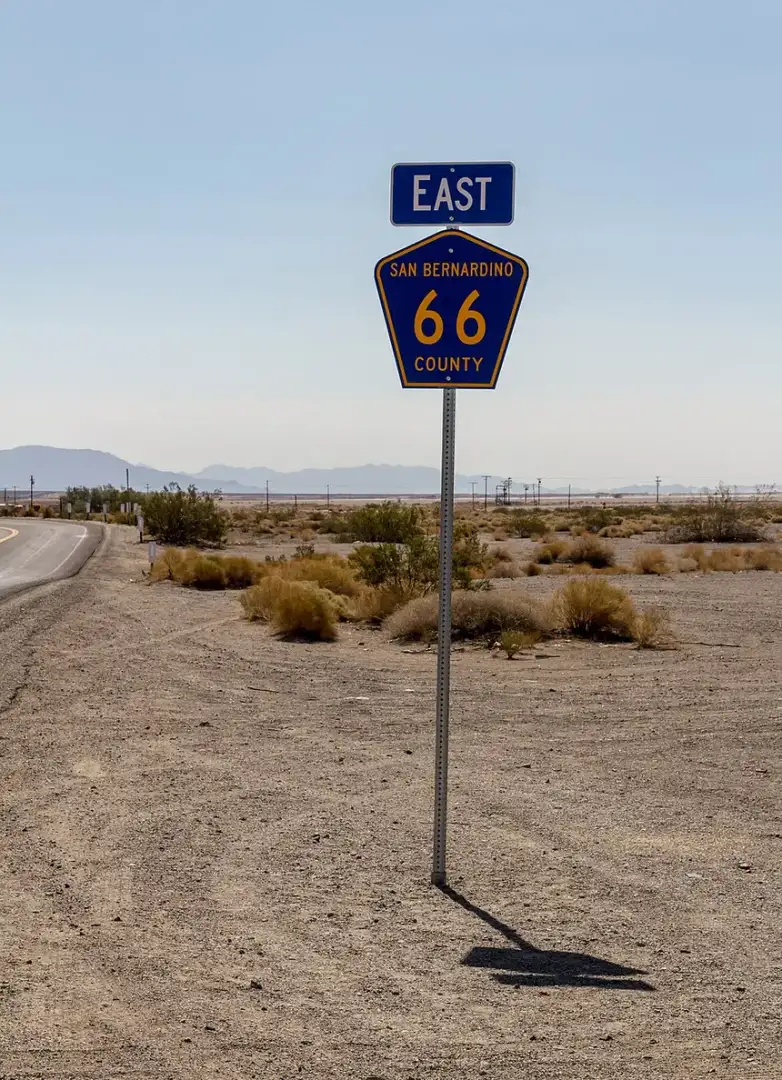
Key Takeaways
- IQ.DRIVE combines several driver assistance features that work together to ease the mental load of stop and go traffic on routes like Route 66 and the I-10 corridor.
- Adaptive cruise control and lane assist reduce fatigue on long commutes, particularly during the slow crawl through San Bernardino’s busier corridors.
- These are driver assistance systems, not self-driving technology, and still require full attention and hands on the wheel at all times.
- Regular calibration keeps these systems working accurately, especially after a windshield replacement or front end collision repair.
Anyone who commutes along Route 66 through San Bernardino during rush hour knows the drill: stop, inch forward, stop again, repeat for the better part of an hour. A vehicle equipped with the right driver assistance features can turn that same stretch of road from a source of daily frustration into something closer to routine, without the constant pedal work and lane monitoring that traditional stop and go driving demands. For drivers navigating this corridor day after day, small technology differences add up to a noticeably less exhausting commute.
Why Route 66 and the I-10 Corridor Wear Drivers Down
Route 66 through San Bernardino carries a mix of local traffic, commercial trucking, and commuters cutting between neighborhoods and the I-10 freeway, and that combination creates some of the most inconsistent traffic patterns in the region. Congestion can build quickly near major cross streets and shopping corridors, then ease up for a stretch before bunching again closer to the freeway interchanges. That start and stop rhythm is mentally taxing in a way that steady highway driving is not, since it requires constant small adjustments to speed and following distance rather than one sustained, predictable pace.
Add in the summer heat that San Bernardino is known for, along with the glare that comes with driving toward the sun during certain parts of the day, and a long commute on this corridor can leave a driver noticeably more fatigued than the mileage alone would suggest. This is exactly the kind of driving environment where semi-automated assistance features tend to make the most noticeable difference, since they take over some of the repetitive small adjustments that add up to real mental fatigue over a commute.
What IQ.DRIVE Actually Does
VW’s IQ.DRIVE suite bundles together a set of driver assistance technologies designed to work in concert during everyday driving.
- Adaptive cruise control automatically adjusts vehicle speed to maintain a set following distance from the car ahead, which is especially useful in the kind of stop and go traffic common on Route 66 during peak hours.
- Lane assist features help keep the vehicle centered within its lane, reducing the small steering corrections a driver would otherwise make constantly during a long commute.
- Front assist with forward collision warning monitors traffic ahead and can alert a driver, or apply braking assistance, if a potential collision risk develops faster than a driver may notice in dense traffic.
- Blind spot monitoring helps with lane changes on multi-lane stretches near the I-10 interchange, where merging traffic can appear quickly from a driver’s blind spot.
Together, these features are designed to reduce the number of small, repetitive tasks a driver has to manage during a long or stressful commute, which is where a lot of driving fatigue actually comes from rather than the distance itself.
An Important Distinction: Assistance, Not Automation
It is worth being direct about what these systems are and are not. IQ.DRIVE features are driver assistance technologies, not self-driving or fully autonomous systems. They are designed to support an attentive driver, not replace one. Drivers should keep their hands on the wheel, stay ready to take full control at any moment, and treat these features as a supplement to safe driving habits rather than a substitute for them. Weather conditions, road markings, and unusual traffic situations can all affect how well these systems perform, which is exactly why full driver attention remains necessary at all times, regardless of which assistance features are active.
“People sometimes come in thinking these systems drive the car for them, and that is not the case at all,” said Ray Delgado, a service advisor who works with a lot of local commuters bringing their vehicles in for routine service. “What it actually does is take some of the small, constant workload off your shoulders during a long stop and go commute, but you still need to be paying full attention the entire time you are behind the wheel.”
How These Features Perform on a Real San Bernardino Commute
For someone commuting from neighborhoods near Route 66 toward downtown or out to the I-10, the practical benefit of these features tends to show up most clearly during the slowest, most repetitive parts of the drive. Adaptive cruise control handles the constant speeding up and slowing down through congested stretches, which takes a meaningful amount of the physical and mental effort out of a stretch of road that might otherwise involve near constant pedal adjustments.
Lane assist becomes particularly useful on longer straightaways where lane markings are clear but traffic density makes it easy for attention to drift after sitting in the same lane for several minutes at a similar speed. Blind spot monitoring adds a layer of confidence when merging onto or off the I-10, where traffic speeds vary widely and gaps can close quickly.
None of these features change the fundamentals of safe driving, but they do reduce the cumulative fatigue that builds up over a commute made up mostly of stop and go traffic rather than steady highway cruising. Drivers who make this same commute daily tend to notice the difference most on the days when traffic is at its worst, since that is when the repetitive workload these features offset is at its highest.
Keeping These Systems Working Properly
Like any technology that relies on cameras and sensors, IQ.DRIVE features depend on proper calibration to work as intended.
- Windshield replacement can affect the camera systems used for lane assist and forward collision warning, which is why recalibration is typically needed after this kind of repair.
- Front end collision repairs can shift the position of radar sensors used for adaptive cruise control and front assist, making recalibration an important step before these features are trusted again.
- Routine software updates can also improve how these systems interpret road conditions, which is one reason regular service visits matter even when nothing appears to be malfunctioning.
- Sensor cleaning matters more than most drivers realize, since dirt, grime, or road debris covering a camera or radar sensor can reduce the accuracy of these features without necessarily triggering a warning light.
A quick inspection during a routine service visit can catch most of these issues before they become noticeable while driving, which is particularly important for anyone relying on these features during a daily commute through dense traffic.
Getting the Most Out of IQ.DRIVE for Daily Commuting
Drivers who are new to these features sometimes need a short adjustment period to get comfortable with how adaptive cruise control and lane assist behave in real traffic. Starting with a familiar, lower stress stretch of road before relying on these features during a peak hour commute on Route 66 can help build that familiarity without added pressure. Understanding how the adaptive cruise control responds to sudden braking from the car ahead, or how lane assist behaves through a slight curve, gives a driver a better sense of what to expect once these features are in regular daily use.
For commuters who spend a significant portion of their day navigating the traffic patterns around Route 66 and the surrounding San Bernardino corridors, these features are designed to make that time behind the wheel noticeably less draining, without changing the fundamental responsibility of the driver to stay alert and in control.
Anyone curious about which VW models offer IQ.DRIVE, or looking to have an existing system checked and calibrated, can stop by Volkswagen of San Bernardino, located at 1600 Camino Real, San Bernardino, CA 92408 to talk through which features make the most sense for their daily commute.
0 comment(s) so far on Navigating San Bernardino Route 66 Traffic: How VW IQ.DRIVE Semi-Automated Features Help You Relax