




Heading to the Beach? Crucial Brake and Suspension Checks for the I-10 Summer Rush
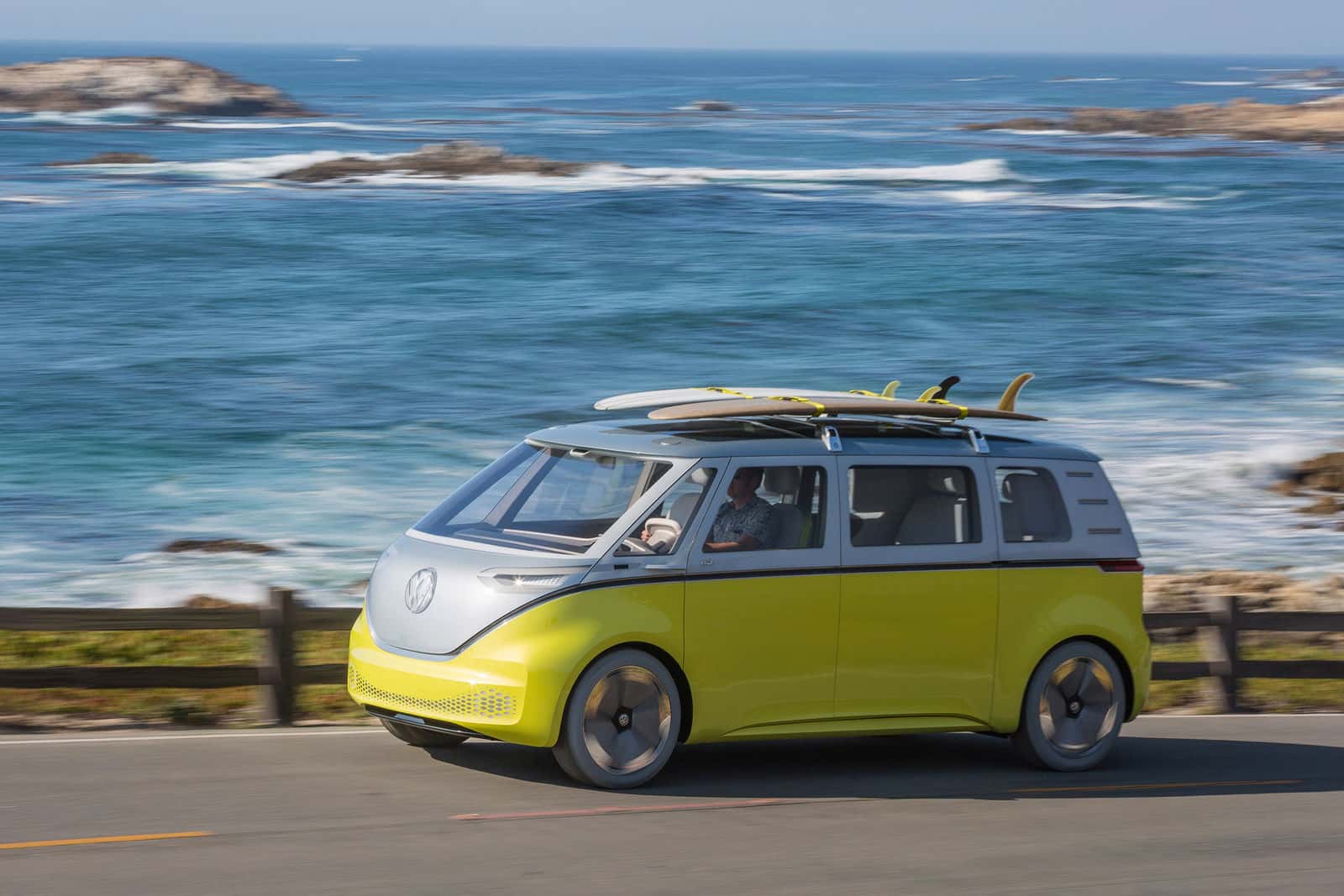
Summer weekends mean one thing for a lot of San Bernardino drivers: loading up the car and joining the long crawl down the I-10 toward the coast. But before you merge into that familiar bumper to bumper stretch toward Santa Monica or Redondo Beach, a brake and suspension check that’s often free or low cost is a lot easier to handle than a $300 to $600 roadside repair somewhere between San Bernardino and the coast. A few minutes of inspection beforehand means the only thing slowing you down is traffic, not your VW.
The drive to the beach from San Bernardino isn’t a quick trip, and the combination of stop and go freeway traffic, summer heat, and a fully loaded car with beach gear puts real demands on your brakes and suspension. It’s a different kind of stress than a daily commute, and it’s worth checking both systems before you’re stuck in traffic with no easy way to pull off and address a problem.
Why the I-10 Beach Run Is Tougher on Your VW Than It Seems
A long, slow drive in summer heat creates conditions that wear on brakes and suspension differently than a typical local trip.
- Stop and go traffic means constant braking. The I-10 toward the coast is notorious for slow crawls during peak beach traffic, and that kind of repeated braking generates more heat and wear than steady highway driving ever would.
- A loaded vehicle changes how suspension and brakes perform. Beach chairs, coolers, umbrellas, and extra passengers all add weight, and that added weight means your suspension has to work harder to keep the car controlled, while your brakes have more momentum to manage on every stop.
- Hot pavement reduces brake cooling efficiency. Brakes rely on airflow to dissipate heat between uses, and a hot freeway combined with slow moving traffic limits how well that cooling process can happen.
- Suspension components wear gradually under repeated heavy loads. Struts and shocks that handle a normal commute fine can show their age more quickly when regularly asked to manage a fully loaded car on uneven pavement or speed bumps in beach parking areas.
Felicity Okonkwo, a technician at our San Bernardino location, says brake and suspension checks pick up noticeably as beach season ramps up, usually from drivers who notice a little extra bounce or a softer brake pedal only once they’re already loaded up for a trip. She recommends getting both checked before the season gets into full swing, rather than waiting until something feels off in the middle of a long weekend.
What to Have Checked Before You Go
A thorough pre-trip check should cover both systems together, since they’re closely connected when it comes to handling a loaded vehicle in traffic:
- Brake pad thickness and rotor condition. Pads that are getting thin or rotors showing early signs of wear are easier and cheaper to address before a long, heavy-traffic drive than after.
- Brake fluid level and condition. Fluid that’s absorbed moisture over time has a lower boiling point, which matters more during sustained stop and go braking in summer heat.
- Shocks and struts. Worn shocks can make a loaded car feel less stable and increase stopping distance, especially when combined with the weight of beach gear and passengers.
- Tire condition and pressure. While not suspension itself, tires work directly with your suspension to keep the car controlled, and a quick check here is worth doing alongside everything else.
- Alignment. A car that pulls slightly to one side becomes more noticeable on a long drive, and it puts uneven stress on tires and suspension components over time.
Most brake and suspension inspections are complimentary or run a small fee, while brake pad and rotor service typically runs $250 to $450 per axle, and shock or strut replacement generally falls between $150 and $300 per corner depending on the model and parts needed. Compared to dealing with a breakdown on the I-10 during peak beach traffic, that’s a manageable cost for a much smoother trip.
Making the Drive Easier Once You’re on the Road
A few habits beyond the inspection itself can help once you’re actually in beach traffic:
- Leave extra following distance in slow traffic. It gives you more room to brake gradually rather than relying on hard, sudden stops that generate more heat and wear.
- Check tire pressure again once the car is loaded. A fully packed vehicle may need a slightly different pressure than your everyday setting.
- Pack heavier items low and centered in the trunk. This helps keep the car’s weight distribution more balanced, which is easier on suspension than gear piled unevenly in the back.
- Give brakes a chance to cool during long stops in traffic. If you’re sitting still for an extended period, it’s not doing any harm, but avoid riding the brakes unnecessarily once traffic starts moving again.
A beach trip down the I-10 is one of the better ways to spend a summer weekend from San Bernardino, and a VW that’s properly checked beforehand makes the drive itself a lot less stressful, even when the traffic isn’t cooperating. A little preparation now means you can focus on finding parking and grabbing a spot on the sand instead of worrying about how the car is holding up.
If it’s been a while since your brakes or suspension were looked at, stop by before your next beach trip. The team at Volkswagen San Bernardino, located at 1600 Camino Real, San Bernardino, CA 92408, can check your brakes, suspension, and tires so you can handle the I-10 rush with confidence.
0 comment(s) so far on Heading to the Beach? Crucial Brake and Suspension Checks for the I-10 Summer Rush