




Battery Health in Extreme Heat: Why SoCal VWs Fail Batteries Faster Than Cooler Climates
Key Takeaways
- Heat, not cold, is the real threat. Elevated temperatures accelerate plate corrosion and electrolyte evaporation, shortening battery life well below its rated lifespan.
- Failures often come without warning. Unlike cold-weather slow cranking, heat-damaged batteries frequently fail suddenly with little to no lead-up.
- San Bernardino’s climate compounds the problem. Triple-digit summers and daily heat cycling stress batteries more than in cooler, more stable climates.
- Age matters more than symptoms here. A battery three years or older in this climate is worth testing even if it still starts the car reliably.
Most drivers associate battery failure with winter, the classic scene of a car refusing to start on a freezing morning. A battery test runs about $20 to $40, while a heat-damaged battery that fails without warning can leave you stranded in a parking lot with the AC blasting and nowhere to plug in. In places like San Bernardino, it’s actually heat, not cold, that does the real damage, and that reversal of the conventional wisdom is exactly why so many battery failures here catch drivers off guard.
Why Heat Is Harder on a Battery Than Cold
A car battery works through a chemical reaction inside, and that reaction is temperature-sensitive in a way most drivers don’t think about until it fails. Cold slows the reaction down, which is why a weak battery struggles to turn over an engine on a freezing morning, but the battery itself isn’t necessarily damaged by cold. Heat is a different story. Elevated under-hood and ambient temperatures accelerate the internal chemical processes that cause a battery to age, speeding up plate corrosion, and evaporating the electrolyte fluid inside faster than it would in a moderate climate. A battery rated for a certain lifespan in a cooler region often falls well short of that rating in a place like the Inland Empire.
This is why the failure pattern here tends to look different from what drivers expect. Instead of a battery that gradually weakens and gives some warning through slow cranking, heat-damaged batteries often fail suddenly, sometimes with almost no warning symptoms at all, because the internal degradation has been happening quietly under the strain of repeated heat cycling rather than showing up as a gradual decline.
San Bernardino’s Climate and Its Effect on Battery Life
San Bernardino regularly sees summer temperatures well into the triple digits, and under-hood temperatures run significantly hotter than ambient air readings once the engine has been running. A vehicle parked in direct sun along routes like Hospitality Lane or sitting in a lot near the outlet stores during a July afternoon can see engine bay temperatures climb high enough to meaningfully shorten battery lifespan over repeated exposure. Danny Whitfield, one of the technicians in the VW San Bernardino service department, has seen this pattern consistently in vehicles brought in from around the Inland Empire: batteries failing well before the age most drivers associate with replacement, often in vehicles that otherwise show no other signs of neglect.
Felicity Okonkwo, who also works in the shop, points out that the daily heat cycling common to this region, hot afternoons followed by cooler nights, creates a repeated expansion and contraction stress on the battery’s internal components that a more temperature-stable climate simply doesn’t produce to the same degree. Combined with the added electrical draw from air conditioning systems running for months at a stretch, the battery in a typical San Bernardino commuter vehicle is working harder and aging faster than the same battery would in a more moderate part of the country.
What a Battery Health Check Actually Involves
- Load testing. Technicians apply a controlled electrical load to the battery to measure how well it holds voltage under demand, which reveals weakening internal components well before the battery would fail on its own during normal starting.
- Voltage and charging system verification. A healthy battery depends on a properly functioning alternator and charging system, so technicians verify that the battery is receiving the correct charge voltage rather than being slowly undercharged or overcharged.
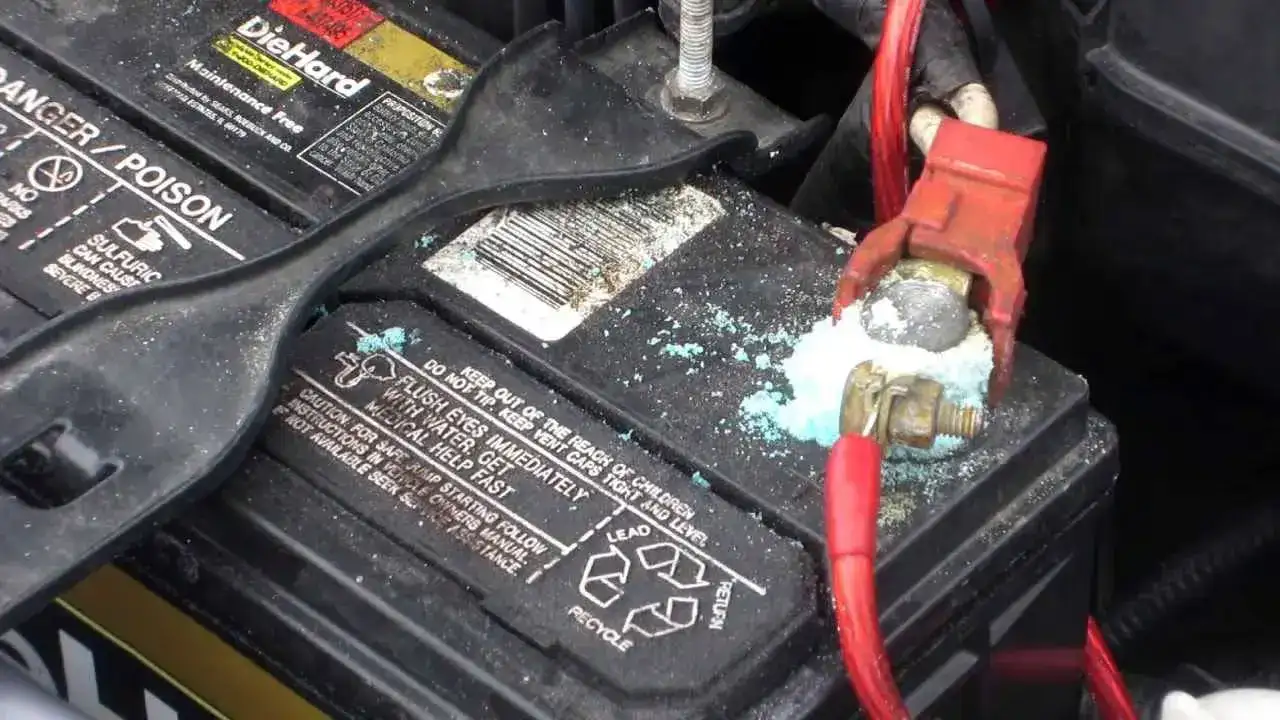
- Terminal and connection inspection. Corrosion at the battery terminals, more common in hot, dry climates where dust and heat accelerate buildup, is checked and cleaned since poor terminal contact can mimic the symptoms of a failing battery.
- Physical condition assessment. Technicians check for case swelling or bulging, a telltale sign of heat-related internal breakdown, since a battery in this condition can fail abruptly even if it’s still holding a charge during testing.
Cost Breakdown for Battery Service in San Bernardino
- Battery health test only: Typically runs $20 to $40, and is a reasonable check to request during any routine service visit given the region’s climate.
- Standard battery replacement: Usually falls between $180 and $280 depending on the specific battery group size and cold cranking amp rating required for the vehicle.
- Battery replacement with terminal and cable service: Generally runs $220 to $320 when corrosion has affected the terminals or cables enough to need cleaning or replacement alongside the new battery.
- Emergency roadside battery failure (avoidable cost): A tow or roadside jump-start call adds a cost on top of the eventual replacement, which is the core reason proactive testing is worth the small upfront expense.
Reading the Warning Signs, When They Exist
Marcus Delillo, another technician who has worked across several VW locations including San Bernardino, notes that heat-damaged batteries don’t always give drivers the classic slow-crank warning. Some do show a hesitant start or dimming dashboard lights in the days before failure, but a meaningful number simply stop working without any lead-up at all, particularly once the battery has been through two or three full summers of heat cycling. Because of that unpredictability, age becomes a more reliable indicator than symptoms in this climate. A battery that’s three years old or more in a hot-climate vehicle is a reasonable candidate for testing even if it seems to be starting the car just fine.
Choosing the Right Battery for the Climate
Not every replacement battery is built the same, and in a climate like San Bernardino’s, that difference matters more than it would elsewhere. Batteries with higher heat tolerance ratings and reinforced internal plate construction tend to hold up better against the kind of repeated thermal cycling common here, compared to a standard battery built to a more general specification. Choosing the correct battery for the region, rather than simply the cheapest option that fits the vehicle, can meaningfully extend the interval before the next replacement is needed.
Making Heat-Aware Maintenance a Habit
For drivers navigating daily routes through the warmer stretches of the Inland Empire, treating battery testing as a routine part of service visits, rather than something that only comes up after a failed start, fits the reality of how batteries age in this climate. Since the failure pattern here often skips the gradual warning signs drivers are used to, a proactive test is one of the few reliable ways to catch a weakening battery before it leaves you stranded.
If it’s been a while since your battery was tested, or your vehicle is heading into its third or fourth summer in the Inland Empire heat, the team at Volkswagen San Bernardino, located at 1600 Camino Real, San Bernardino, CA 92408, can run a full battery health check and make sure you’re not the one finding out the hard way in a parking lot at 105 degrees.
0 comment(s) so far on Battery Health in Extreme Heat: Why SoCal VWs Fail Batteries Faster Than Cooler Climates