




2026 VW Taos: IQ.DRIVE® Sensor Calibration After Inland Empire Dust Storms
Key Takeaways
- Dust Blocks Sensors More Than It Misaligns Them: A film of dust usually calls for careful cleaning first, not an automatic recalibration.
- Calibration Follows Physical Changes: Windshield replacement, bumper repair, suspension work, and alignment changes are the common reasons the Taos needs its sensors recalibrated.
- Pitted Glass Is a Hidden Risk: Wind-blown grit can scratch and pit the windshield over time, which can lead to a replacement and a camera calibration.
- Gentle Cleaning Protects Accuracy: Soft cloths and plenty of washer fluid keep the radar and camera areas clear without scratching them.
- Watch for Warning Messages: A driver assistance warning that keeps returning after a clean is a good reason to have the system checked.
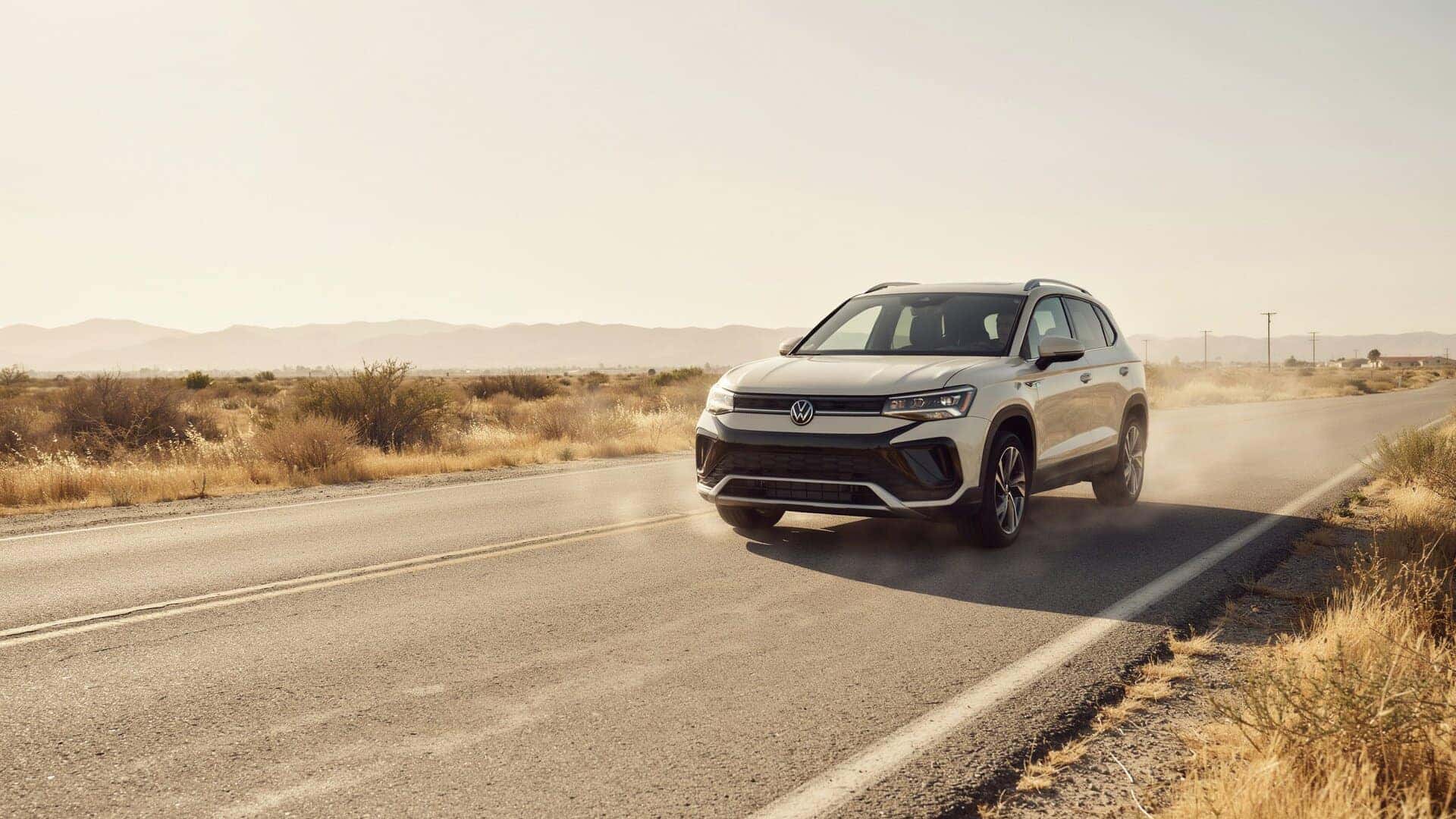
When the Santa Ana winds kick up across the Inland Empire, the sky turns tan, the freeway signs fade into the haze, and a fine layer of grit settles over everything on your Taos. Your IQ.DRIVE driver assistance features depend on a radar and a camera that need a clear view of the road, and dust is one of their toughest tests. A few minutes of careful cleaning after a dust storm costs almost nothing, while a pitted windshield or a misaligned sensor can turn into a repair that takes real time and money to correct. Knowing the difference between a dirty sensor and a sensor that needs calibration helps you act at the right moment.
Why Inland Empire Dust Matters to Driver Assistance
San Bernardino sits at the foot of the mountains, and the wind funnels through passes like the Cajon Pass and across the open land of the valley floor. When strong Santa Ana winds and seasonal gusts arrive, they pick up fine soil, ash, and debris and carry them along the I-215, I-10, and SR-210 corridors. Drivers heading up toward Devore or across town toward Highland often drive straight through it.
That airborne grit settles on the front of the car, where your Taos keeps the sensors that power its driver assistance. Because the forecast can change quickly, checking the National Weather Service forecast for our area before a long drive tells you when high winds are expected, and a look at Caltrans QuickMap shows whether wind, low visibility, or closures are affecting your route.
What IQ.DRIVE Relies On
IQ.DRIVE is the name Volkswagen gives its suite of driver assistance features, and the features available on your Taos depend on the trim. These can include adaptive cruise control, Lane Assist, Front Assist with pedestrian monitoring, Blind Spot Monitor, and Rear Traffic Alert. To do their jobs, they use a forward-facing camera mounted at the top of the windshield near the rearview mirror, a front radar unit behind the grille area, and radar sensors in the rear bumper.
These parts see the world very precisely. The camera reads lane markings and judges distance, while the radar measures the speed and distance of objects ahead. If either one cannot see clearly or is pointed even slightly off its intended angle, the system may limit its functions or show a message in the instrument cluster. That is a safety feature, because the car would rather turn a function off than guess.
Dust Versus Calibration: What Actually Needs Attention
Here is the honest answer that many owners are surprised by. A dust storm by itself does not normally knock the sensors out of alignment. What dust does is cover them. A layer of grit on the radar cover or a hazy film on the windshield in front of the camera can restrict what the sensors see, and the Taos may respond with a temporary warning or by disabling a feature until the view is clear.
In most cases, that means the fix is cleaning, not calibration. Calibration is the process of precisely aiming and verifying the sensors after something changes their position or their view. Think of it as resetting the car’s eyes after a physical change, not as routine maintenance after every dusty day.
Where the Sensors Are and How to Clean Them
A short cleaning routine after a dust storm keeps the system working as designed. Use a soft microfiber cloth, plenty of clean water, and mild car wash soap, and check these areas:
- Windshield Near the Rearview Mirror: Clean the glass in front of the camera inside and out, using washer fluid before the wipers run so dry grit does not scratch the surface.
- Front Grille and Emblem Area: Rinse dust off the radar area gently and wipe it with a soft cloth, avoiding scrubbing or pressure washing at close range.
- Rear Bumper Corners: Rinse the rear bumper where the rear radar sensors sit, and keep the area free of mud and caked dust.
- Mirrors and Side Glass: Clear the mirrors and windows so you can confirm the blind spot and lane areas are visible.
Avoid adding stickers, thick coatings, aftermarket plates, or accessories over the radar area, since they can interfere with the signal. If you ever see a driver assistance warning that does not go away after a thorough cleaning, have the system checked rather than ignoring it.
When Calibration Really Is Needed
Calibration becomes necessary when a physical change affects what the sensors see or how they are aimed. Common reasons include replacing the windshield, repairing or replacing a bumper, repairing the grille or emblem area, suspension work, and wheel alignment changes that shift the vehicle’s geometry. A minor fender bender or a bump from road debris can also move a sensor bracket without leaving obvious damage.
This is where dust storms can play an indirect role. Wind-blown grit rubbing across the glass, especially when wipers run dry, can leave tiny scratches and pitting. Over time, a pitted windshield scatters light and makes the camera’s job harder, particularly in low sun or headlight glare. When the glass is eventually replaced, the forward camera needs to be calibrated so the system reads lane lines and distances accurately. A trained technician uses specialized targets and diagnostic equipment, and the work is done in a controlled space with level ground, which is why it is best left to a qualified service team.
Driving Smart When the Dust Rolls In
If you are caught in a dust storm, slow down and increase your following distance, even if adaptive cruise control is active. Low visibility can limit sensor performance, and the system is a driver aid, not a replacement for your attention. Use your headlights, avoid sudden braking, and pull off safely if visibility drops sharply.
After the storm, resist the urge to wipe the dry windshield. Spray washer fluid first, let the wipers work with plenty of liquid, and consider replacing worn wiper blades that smear grit rather than lifting it. Rinsing the whole car, including the wheel wells and grille, keeps dust from baking into the paint in the afternoon sun.
What Sensor Care Typically Costs
Pricing varies by trim, damage, and the work needed, so treat this as a general picture instead of a quote:
- Cleaning and Inspection: The most affordable step, and often all a dusty Taos needs to restore normal operation.
- Wiper Blades and Washer Fluid: A modest cost that helps protect the glass in front of the camera from scratches.
- Calibration After Glass or Bumper Work: A specialized service that takes time and equipment, but it is far less costly than driving with an inaccurate system.
- Sensor or Bracket Repair: Needed only after an impact or damage, and best addressed promptly.
- Windshield Replacement from Pitting: One of the larger expenses, which is why protecting the glass early pays off.
If you need wiper blades or other components, the parts center at Volkswagen San Bernardino can help you find the right fit for your Taos.
Keep Your Taos Seeing Clearly
The Inland Empire’s wind and dust are part of life here, and your 2026 Taos is built to handle them as long as its sensors stay clean and accurate. Rinse gently, protect the glass, and take warning messages seriously. If you are unsure whether your system needs a simple cleaning or a full calibration, the service center at Volkswagen San Bernardino, located at 1600 Camino Real, San Bernardino, CA 92408, United States can inspect your Taos and make sure IQ.DRIVE is ready for the next windy day.
0 comment(s) so far on 2026 VW Taos: IQ.DRIVE® Sensor Calibration After Inland Empire Dust Storms