




Why Air Conditioning Tune-Ups Are a Must for Inland Empire Drivers
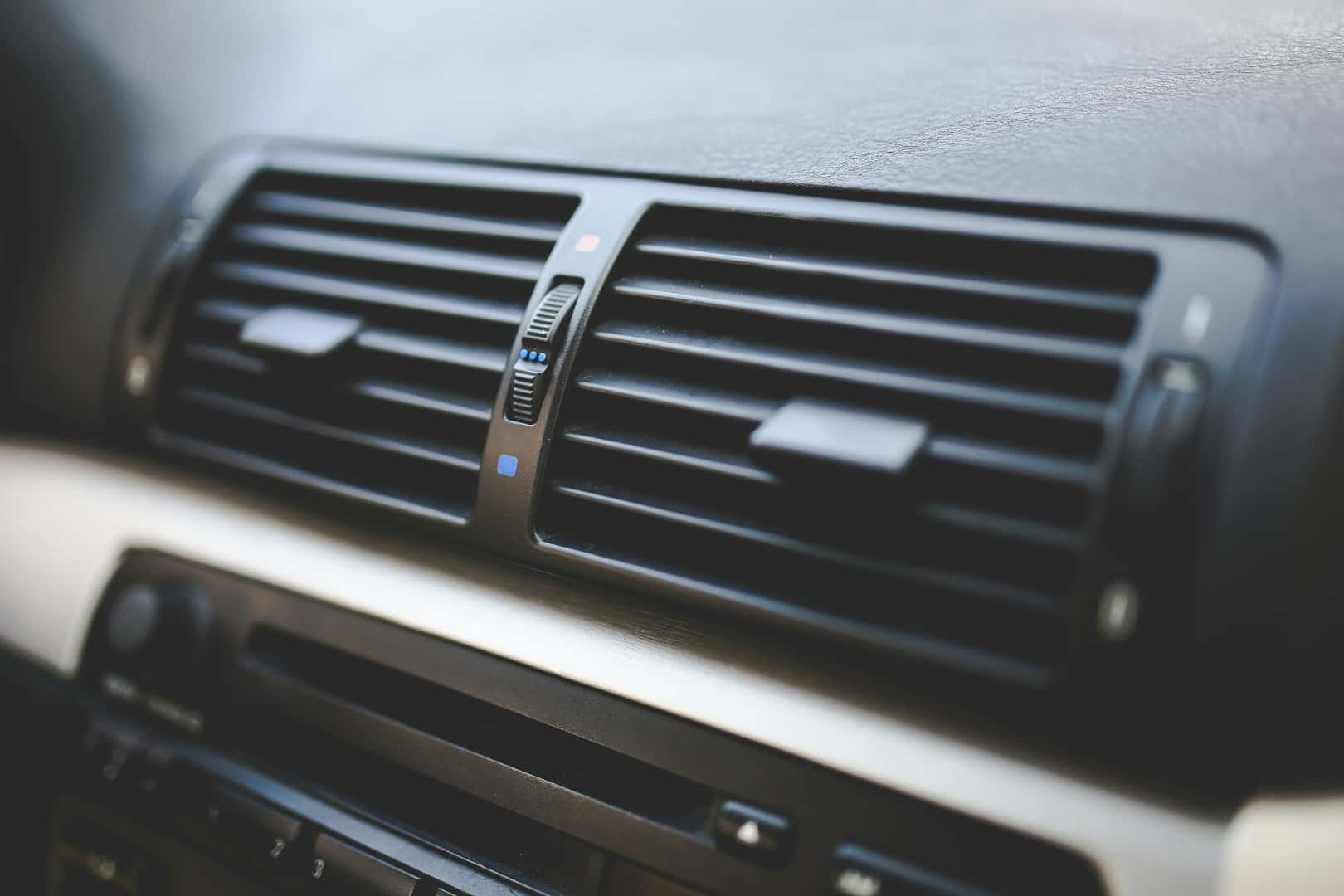
If you’ve spent a summer in San Bernardino, you know that air conditioning isn’t a luxury, it’s a necessity. When temperatures regularly climb into the upper 90s and frequently exceed 100°F from June through September, a functioning AC system makes the difference between tolerable driving and absolute misery. Whether you’re commuting on I-10, navigating through San Bernardino County, or making the drive to Los Angeles, your Volkswagen’s air conditioning works harder in the Inland Empire than almost anywhere else in the country.
But this constant demand takes a toll. Air conditioning systems stressed by extreme heat and near-constant operation develop problems that drivers in milder climates never experience. Refrigerant leaks, compressor wear, and component failures happen more frequently when your AC runs for months on end in triple-digit temperatures. By the time you notice weak cooling or complete failure, you’re facing expensive repairs that could have been prevented with regular maintenance.
The challenge is that many drivers take AC for granted until it stops working. You don’t think about the system on a comfortable spring morning, but when you start your car on a 105°F afternoon and get nothing but warm air, you’re reminded how essential it is. Understanding why AC systems fail in extreme heat, recognizing early warning signs, and scheduling preventive maintenance ensures your Volkswagen keeps you comfortable no matter how high the mercury rises.
How Inland Empire Heat Stresses Your AC System
To appreciate why regular AC maintenance matters so much in this region, you need to understand what your air conditioning system does and how Southern California’s climate challenges it.
Extreme Operating Temperatures ☀️
Your VW’s AC system works by removing heat from cabin air and transferring it outside. The greater the temperature difference between inside and outside air, the harder the system must work. When it’s 105°F outside and you want 72°F inside, that’s a 33-degree temperature differential the system must overcome.
In milder climates where summer highs reach the 80s, the AC has an easier job. In the Inland Empire, where temperatures routinely exceed 100°F and can approach 115°F during heat waves, the system operates near maximum capacity for extended periods. This constant hard work accelerates wear on all components.
Extended Operating Season
In many parts of the country, AC use is seasonal, running heavily for three months and lightly or not at all the rest of the year. In San Bernardino, you might need AC from April through October, sometimes longer. That’s six months or more of regular operation each year.
This extended season means more operating hours accumulated annually. A vehicle driven in the Inland Empire might use its AC twice as many hours per year as the same vehicle in a temperate climate, effectively doubling the wear rate.
Heat Soak in Parked Vehicles
When your VW sits in the sun during a San Bernardino summer day, interior temperatures can exceed 140°F. When you start the vehicle, the AC must work at maximum capacity to bring the interior to comfortable temperature. This initial cool-down period is the most demanding operation the system experiences.
Parking in direct sun means the AC faces this maximum-load situation multiple times daily. Over months and years, this repeated stress accelerates component wear and can reveal weaknesses that wouldn’t appear in less demanding conditions.
Refrigerant Stress and Leaks
High temperatures increase refrigerant pressure throughout the system. Higher pressures stress seals, hoses, and connections, making leaks more likely. Small leaks that would take years to deplete refrigerant in moderate climates can reduce system capacity noticeably in just months under Inland Empire conditions.
Five Warning Signs Your AC Needs Service
Your Volkswagen’s air conditioning system communicates problems through distinct symptoms. Recognizing these signs early allows you to address issues before they become expensive failures.
- Weak or Inconsistent Cooling
If your AC doesn’t cool as effectively as it used to, or if cooling varies (cold sometimes, barely cool other times), the system likely has low refrigerant from a leak or a developing compressor problem. What might feel adequate during morning drives might be clearly insufficient during afternoon heat.
Gradual cooling loss happens so slowly that you adapt without realizing it. Compare current performance to how the AC worked when the vehicle was new. If there’s a noticeable difference, service is needed.
- Unusual Sounds When AC Operates 🔊
Clicking, rattling, or squealing sounds when the AC is running indicate component problems. The AC compressor clutch might be failing, the compressor itself might have internal damage, or a pulley bearing could be worn.
These sounds typically worsen over time. What starts as occasional clicking can progress to constant noise indicating imminent failure. Early attention prevents the minor issue from becoming expensive compressor replacement.
- Unpleasant Odors
Musty, moldy odors when you first turn on the AC indicate bacteria or mold growth on the evaporator core. This is common in humid climates but can also occur in the Inland Empire, particularly if you use recirculation mode frequently.
Beyond being unpleasant, these organisms can cause health issues for sensitive individuals. Professional cleaning eliminates the contamination and restores fresh air output.
- Water Leaks Inside the Vehicle
If you notice water on the passenger floor, the AC condensate drain might be clogged. The AC removes moisture from cabin air, and this water must drain outside. A clogged drain causes water to back up and leak into the cabin.
While not directly an AC performance issue, a clogged drain can cause water damage to carpets and create conditions for mold growth. It’s easily fixed if caught early.
- AC Cycles On and Off Frequently
If the AC compressor cycles on and off rapidly (short cycling), the system likely has low refrigerant, a failing pressure switch, or an electrical problem. This cycling is hard on the compressor and reduces cooling effectiveness.
You might notice this as a stuttering cooling output or hear the compressor clicking on and off frequently. This symptom requires professional diagnosis to identify and correct the underlying cause.
What Happens During an AC Tune-Up
Professional AC service involves several procedures designed to maintain optimal performance and catch developing problems.
Performance Testing 🌡️
Technicians measure vent temperature with the AC at maximum cooling. Properly functioning systems should deliver air 35-45°F cooler than ambient temperature. Lower temperature output indicates reduced system capacity from low refrigerant or other problems.
They also verify that cooling is consistent across all vents and that airflow is adequate. Weak airflow might indicate cabin air filter restriction or blower motor problems.
Refrigerant Level Check
Low refrigerant is one of the most common AC problems. Since automotive AC systems are sealed, low refrigerant always means a leak exists somewhere. Technicians check refrigerant level using pressure gauges that measure both high and low-side system pressure.
If refrigerant is low, they locate the leak using electronic leak detectors or UV dye, repair the leak, then evacuate and recharge the system to proper capacity.
Component Inspection
Visual inspection includes checking the compressor for leaks or damage, examining hoses and connections for deterioration or leaks, inspecting the condenser (in front of the radiator) for damage or blockage, and verifying belt condition and tension.
The cabin air filter is checked and replaced if needed. A clogged filter restricts airflow and forces the blower motor to work harder, reducing efficiency and potentially shortening motor life.
Electrical System Check
AC systems have numerous electrical components: pressure switches, temperature sensors, relays, and the compressor clutch. Technicians verify these components operate correctly and that voltage and amperage are within specifications.
Evaporator and Drain Inspection
The evaporator core (where cooling actually happens) is inspected for leaks if accessible. The condensate drain is checked to ensure it’s not clogged, preventing water backup into the cabin.
San Bernardino Driving Conditions and AC Impact
The Inland Empire’s specific climate and driving patterns create unique challenges for air conditioning systems.
Sustained Triple-Digit Heat
San Bernardino regularly experiences extended heat waves where temperatures exceed 100°F for days or weeks straight. During these periods, your AC runs continuously whenever the vehicle operates. This sustained maximum-load operation stresses all components simultaneously.
Unlike moderate climates where the AC cycles on and off, giving components breaks, Inland Empire heat means the system rarely gets relief. This constant operation accelerates wear on the compressor, the most expensive component to replace.
Highway vs. City Driving 🚗
Highway driving on I-10 or I-215 provides airflow through the condenser that helps the AC work efficiently. Stop-and-go traffic around San Bernardino, particularly during summer afternoons, eliminates that cooling airflow while the AC still works at maximum capacity.
This combination of high ambient temperature and no airflow is the most demanding condition your AC faces. If your commute involves significant traffic, your AC works even harder than highway-only operation.
Dust and Air Quality
The Inland Empire experiences dusty conditions, particularly during dry periods and Santa Ana wind events. Dust clogs the cabin air filter faster, reducing airflow and AC efficiency. It also accumulates on the condenser, reducing its ability to dissipate heat.
Regular cabin filter replacement and periodic condenser cleaning help maintain optimal AC performance in these conditions.
Altitude Considerations
While San Bernardino itself is at moderate elevation, trips to nearby mountain areas mean altitude changes that affect AC performance. Systems that work fine at lower elevations might struggle at higher altitudes where air is thinner and cooling is less efficient.
Cost of Preventive Maintenance vs. Major Repairs
Understanding the economics of AC maintenance makes the value proposition clear.
Tune-Up and Maintenance Costs
AC performance check and minor service typically costs $100-150. Refrigerant recharge (if needed) adds $150-250. Cabin air filter replacement costs $30-60. Total preventive maintenance: $130-460 depending on what’s needed.
Major Repair Costs
Compressor replacement: $800-1,500+ including labor and refrigerant. Evaporator core replacement: $1,000-2,000+ (requires dashboard removal). Condenser replacement: $500-1,000. Complete system failure requiring multiple components: $1,500-3,000+.
The Value Equation 💰
Regular maintenance catches small leaks before they damage the compressor. It identifies weak components before they fail catastrophically. It ensures the system operates efficiently, reducing fuel consumption.
Spending $150-200 annually on AC maintenance prevents most major failures and extends system life. Ignoring maintenance until failure means spending thousands on repairs that likely could have been prevented.
Beyond direct costs, consider the value of comfort and safety. Driving in 105°F heat with no AC isn’t just uncomfortable, it’s potentially dangerous. Dehydration and heat exhaustion can impair judgment and reaction time.
Local Expert Perspective
“We see the same pattern every summer,” says Carlos Mendoza, ASE-certified technician at the Camino Real location. “May and June, we’re doing preventive AC service for smart customers preparing for summer. July and August, we’re packed with emergency repairs from people whose AC just failed in 110-degree heat. The difference in their experience and cost is dramatic.”
He continues, “What people don’t realize is that Inland Empire heat is genuinely hard on AC systems. Components that would last 10-12 years in San Francisco might last 6-8 years here because the system works so much harder. Regular maintenance doesn’t just prevent breakdowns, it extends the life of expensive components like the compressor by keeping refrigerant clean and at proper levels.”
Maximizing AC Performance and Efficiency
Beyond professional maintenance, certain habits help your AC work more effectively and last longer.
Pre-Cooling Strategies
Before entering your vehicle after it’s been parked in the sun, open the doors for 30 seconds to let the hottest air escape. This reduces the temperature differential the AC must overcome. Start driving with windows slightly open for the first minute while the AC purges the hottest air.
Use the recirculation mode once the cabin cools to avoid bringing in more hot outside air. However, occasionally use fresh air mode to prevent stale air and allow moisture to escape.
Parking Considerations 🅿️
Park in shade whenever possible. Even partial shade significantly reduces interior temperature buildup. If shade isn’t available, use a windshield sunshade to block direct sun from heating the dashboard and seats.
Crack windows slightly (if safe) when parked to allow hot air to escape, reducing the initial temperature when you return.
Regular Filter Changes
Replace the cabin air filter annually or every 12,000-15,000 miles, more frequently in dusty conditions. A clogged filter restricts airflow and makes the AC work harder while delivering less cooling.
This is one of the easiest DIY maintenance items on many VWs, and filters are relatively inexpensive. The performance improvement from a new filter is immediately noticeable.
Avoid Maximum Cold Settings
Running the AC at maximum cold continuously isn’t necessary once the cabin reaches comfortable temperature. Slightly warmer settings use less fuel and place less stress on the system while maintaining comfort.
The AC compressor cycles on and off at warmer settings, giving it breaks that extend its life. Maximum cold keeps the compressor engaged constantly, accelerating wear.
Don’t Wait for Failure 🌞
In the Inland Empire, a functioning air conditioning system isn’t optional, it’s essential for safe, comfortable driving during the extended summer season. The extreme heat and constant operation your AC endures here create conditions that demand regular preventive maintenance.
Waiting until your AC fails means facing expensive repairs, dealing with the discomfort and potential danger of driving in extreme heat, and likely paying premium pricing during peak summer when repair shops are overwhelmed with emergency AC work.
Professional AC tune-ups catch small problems before they become failures, ensure optimal cooling performance, and extend the life of expensive components. The modest cost of preventive maintenance is insignificant compared to the value it provides in reliability and comfort.
San Bernardino’s climate doesn’t forgive neglected AC systems. The temperatures that make this region challenging for drivers also reveal AC problems quickly and dramatically. Professional maintenance keeps your Volkswagen’s AC delivering the cooling performance you need regardless of how high temperatures climb.
Schedule Your AC Service Today ✅
Don’t wait for weak cooling or complete failure to have your Volkswagen’s air conditioning system serviced. Professional tune-ups performed before peak summer heat ensure your AC is ready when you need it most and catch developing issues before they become expensive failures.
Whether you’re preparing for summer, have noticed reduced cooling performance, or simply want peace of mind that your AC will keep you comfortable through another Inland Empire summer, experienced technicians can provide comprehensive service and necessary repairs.
Schedule your AC tune-up today at 1600 Camino Real in San Bernardino, or call to discuss your VW’s air conditioning needs with a service advisor who understands Inland Empire heat demands. Because your comfort and safety depend on an AC system that’s properly maintained and ready for California’s most challenging climate.
0 comment(s) so far on Why Air Conditioning Tune-Ups Are a Must for Inland Empire Drivers