




VW Climatronic Repair: Troubleshooting AC issues specific to the San Bernardino Heat.
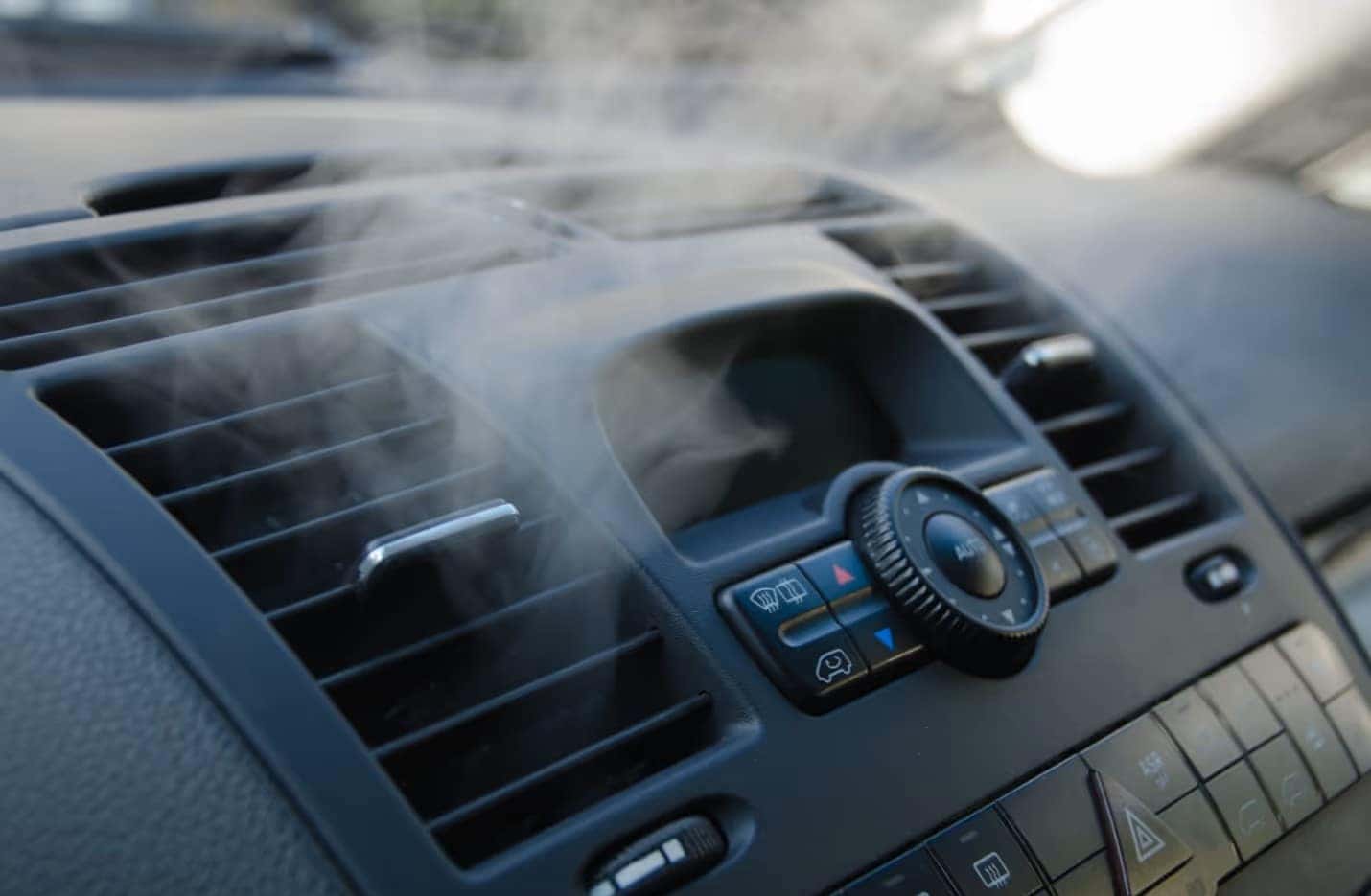
Last July, a 2019 Volkswagen Tiguan came into our service bay barely making it off the I-215 off-ramp near Hospitality Lane. The owner had noticed a faint musty smell from the vents and some inconsistent temperature readings on the Climatronic display a few months earlier, but figured it was just a quirk. After 14,000 more miles of commuting through San Bernardino and Redlands with the system cycling erratically, the compressor finally seized during a heat advisory when temps hit 112 degrees. The compressor replacement and refrigerant recharge ran $1,850. The sensor diagnostic and refrigerant top-off they skipped? $189.
Stories like that one are not uncommon when summers in the Inland Empire push triple digits for weeks at a stretch. San Bernardino sits in a valley that traps heat, and with the 10, 215, and 210 freeways turning into slow-moving parking lots during peak hours, your Volkswagen’s Climatronic system is working harder than it ever would in a milder climate. What feels like a minor inconvenience in May can become a complete system failure by August.
Volkswagen’s Climatronic system is genuinely impressive technology. Unlike a basic air conditioner with a dial, Climatronic uses sensors, actuators, and a dedicated control module to automatically maintain your chosen cabin temperature. That sophistication is what makes driving a VW so comfortable, but it also means there are more components that can degrade under sustained high-heat stress. The good news is that most Climatronic problems give you warning before they become catastrophic.
In this guide, we’ll walk through how the Climatronic system actually works, what the San Bernardino heat does to its components over time, the warning signs you should never ignore, and how catching problems early keeps your repair costs reasonable instead of alarming.
How the VW Climatronic System Works
More Than Just Air Conditioning
Most people use “AC” and “Climatronic” interchangeably, but understanding the difference helps you recognize when something is wrong. A standard AC system simply blows cold air based on your manual settings. Climatronic, by contrast, reads interior temperature sensors, ambient temperature sensors, and even sunlight intensity sensors to continuously adjust blower speed, air mix, and distribution to hit your target temperature.
The system ties together your compressor, blend door actuators, an evaporator, a condenser, the refrigerant circuit, and a dedicated control module that communicates with your car’s main computer. When everything is working together, the result is effortless, consistent comfort. When one component starts to fail, the control module tries to compensate, and that’s often where you see the strange behaviors that puzzle VW owners.
What the San Bernardino Heat Does to These Components
The Inland Empire’s climate is genuinely one of the harshest environments an automotive AC system can face. Temperatures regularly exceed 105 degrees from June through September, and the asphalt and concrete in the San Bernardino valley absorb and radiate heat in ways that push ambient temps even higher at bumper level. Your condenser sits right behind the front grille, and when you’re idling on the 10 during rush hour with 110-degree air passing through it, it’s working at the edge of its design limits.
Over time, this sustained thermal stress degrades the rubber components in the refrigerant circuit, weakens the condenser fins, and puts extra load on the compressor. Blend door actuators, which are small electric motors that control airflow direction, are particularly vulnerable because they cycle constantly as the system compensates for rapidly changing heat loads when you move between shade and direct sun.
Warning Signs Your Climatronic System Needs Attention
Catching a Climatronic problem early is almost always the difference between an affordable fix and an expensive one. Your VW will usually give you several warning signs before something fails completely. Here is what to pay attention to, roughly from most common to most serious.
- Inconsistent cabin temperature. The system struggles to hold your set point and swings warm and cool repeatedly. This often signals a faulty temperature sensor or a refrigerant charge issue.
- Unusual or musty odors from the vents. Mold and bacteria accumulate in a stressed evaporator, especially when the system is running long hours in high humidity from monsoon-season moisture.
- Clicking or grinding noises on startup. These sounds point to a compressor clutch or bearing issue. Do not ignore this one. Compressor failure can send metal debris through the entire refrigerant circuit.
- Air that is cool but not cold. This typically means a low refrigerant charge, often from a slow leak in a degraded seal or O-ring, both of which are accelerated by heat cycling.
- Blower operating at only one speed or not at all. Blower motor resistor failure is common in high-heat environments and limits your system’s ability to move air effectively.
- Climatronic display showing fault codes or “- -” readings. The control module detected a sensor or actuator fault. This needs a proper diagnostic scan, not just a reset.
- Warm air only from driver side or passenger side. Dual-zone systems use separate actuators for each side. If one zone is warm, a blend door actuator is likely the culprit.
If you notice any of these symptoms, the right move is to schedule a diagnostic appointment rather than waiting. Refrigerant leaks do not get smaller, and a failing compressor can take out the entire AC circuit if it seizes.
Why San Bernardino’s Heat Creates Unique Climatronic Challenges
The Inland Empire Heat Cycle
San Bernardino County sees temperature swings that many parts of California simply do not. A morning commute on the 215 toward downtown might start at 78 degrees, but by afternoon your car has been sitting in a surface parking lot at Cal State San Bernardino or the Carousel Mall area where asphalt temps can exceed 160 degrees. That thermal expansion and contraction cycle, repeated daily for months, is punishing on rubber seals, O-rings, and the plastic housing of sensor components.
The region also experiences the Santa Ana winds, which bring extremely low humidity and additional heat. When your Climatronic system is trying to cool a cabin that baked at 150 degrees internally, it runs at maximum output for an extended period on startup, which is when wear on the compressor and blower motor is at its peak.
A Cost Comparison That Should Get Your Attention
What neglecting early symptoms costs:
- Compressor replacement after failure: $1,200 – $1,900
- Condenser flush and system flush required after compressor failure: $350 – $500
- Refrigerant recharge: $150 – $200
- Total: $1,700 – $2,600
What proactive service costs:
- AC system inspection and leak check: $89 – $120
- Refrigerant recharge if needed: $150 – $200
- Sensor diagnostic and actuator check: $75 – $100
- Smart total: $314 – $420
Your potential savings from proactive Climatronic service: $1,400 – $2,200.
Climatronic Maintenance That San Bernardino VW Owners Should Prioritize
Cabin Air Filter: The Overlooked Foundation
Your Climatronic system draws all of its air through the cabin air filter, and in San Bernardino, that filter works overtime. Between the dust from the desert winds, the particulate matter on the 10 and 215, and the general grit of the Inland Empire’s air quality, cabin filters in this area tend to reach their service limit well before the standard replacement interval. A clogged filter restricts airflow, which forces the blower motor to work harder and reduces the evaporator’s ability to cool effectively.
We recommend checking your cabin air filter every 10,000 to 12,000 miles if you drive primarily in San Bernardino or Riverside County, rather than waiting for the factory-specified interval. It takes about 15 minutes to replace and costs between $25 and $60 depending on the filter grade.
Refrigerant Level and Leak Checks
Volkswagen refrigerant circuits use R-1234yf in newer models, which is more environmentally friendly but also more sensitive to contamination and charge levels than the older R-134a. In a hot climate, even a small leak that might go unnoticed in Portland or Seattle will accelerate here because the system runs at higher pressure more frequently.
An annual refrigerant check before summer, ideally in April or May before temperatures climb, catches low charge conditions before they stress the compressor. This is especially important for Jetta, Golf, and Tiguan owners whose vehicles spend time on longer highway stretches where the AC runs continuously.
A 2020 Volkswagen Jetta owner came to us last March after noticing the AC was “okay but not great” on the drive from Fontana to downtown San Bernardino. When we checked the refrigerant charge, it was down 18 percent, and we found a slow leak at a condenser fitting seal. We replaced the O-ring and recharged the system for $210. Had she waited until summer, the compressor would have been running dry under peak load conditions. That repair path would have started at $1,400.
Common Misconceptions About VW AC Problems
“I Just Need a Recharge”
This is the most common thing we hear, and it is almost always incomplete. Refrigerant does not simply evaporate over time in a healthy system. If your refrigerant is low, there is a leak somewhere. Recharging without finding and fixing the leak is temporary at best, and it can mask a worsening problem until the system fails at the worst possible moment, like on the 10 freeway at rush hour in August.
A proper Climatronic service includes a leak detection test, not just a refrigerant fill. UV dye or electronic detection identifies the source, and the repair is usually far less expensive than you would expect when caught early.
“It’s Too Expensive to Fix at the Dealership”
This objection is understandable, but it often costs more in the long run. Volkswagen Climatronic systems require brand-specific diagnostic tools to read the control module properly. Generic OBD-II scanners frequently miss fault codes that a VW-specific scanner catches immediately. That means a shop without proper equipment may replace parts based on educated guesses rather than accurate diagnosis, resulting in multiple repair attempts at costs that add up quickly.
A Redlands resident brought his 2018 VW Passat to us after spending $480 at a general shop that replaced the blower motor resistor without fixing the actual problem. A warm passenger side and clicking actuator on startup turned out to be a blend door actuator that the first shop’s scanner did not flag. Our VW diagnostic scan identified the correct component in under 30 minutes. The actuator replacement was $320. He had spent $800 total when $320 would have resolved it on the first visit.
“The number one thing I see with VW owners in this area is waiting too long on Climatronic symptoms because the AC still seems to sort of work,” says Marcus Delgado, Senior VW-Certified Technician at the Camino Real location. “Sort of working is not good enough when temperatures hit 110 degrees and you have kids in the car. If your display is giving inconsistent readings or you hear any clicking on startup, come in before summer hits. A diagnostic scan takes less than an hour and usually tells us exactly what is happening.”
Summer in the Inland Empire is not forgiving to a compromised climate system. The best time to verify your Climatronic is operating correctly is right now, before peak heat season forces the issue. A short diagnostic visit today is the easiest way to know for certain where your system stands.
Your 30-Day Climatronic Check
This week: Observe your system actively. Turn on your Climatronic and set it to 72 degrees with the fan on auto. Pay attention to how long it takes to reach target temperature, whether the fan speed changes appropriately, and whether air distribution feels consistent from both driver and passenger vents. Note any unusual smells, clicking sounds, or display irregularities. This observation costs nothing and gives you a meaningful baseline.
Within two weeks: Check your cabin air filter. In most VW models, the cabin air filter is accessible behind the glove box and takes about 15 minutes to inspect. Hold it up to light. If you can’t see light clearly through the filter media, it’s due for replacement. For San Bernardino drivers, this check is particularly worthwhile given the local air quality. Replacement filters are available at the dealership parts counter or we can handle it during your next service visit.
By month’s end: Schedule a pre-summer AC inspection. Book a Climatronic inspection at Volkswagen San Bernardino before the end of May. Our technicians will check refrigerant charge and pressure, scan for fault codes in the climate control module, inspect the compressor belt and clutch, and verify actuator operation on both zones. This inspection takes about an hour and positions you for a reliable, comfortable summer.
These three checks take less than two hours total but can prevent a breakdown on the 215 in 108-degree heat and save you several hundred to several thousand dollars in avoidable repairs.
What a Proactive Maintenance Plan Actually Looks Like
Annual pre-summer Climatronic service for a San Bernardino VW owner typically runs like this:
Annual preventive service:
- Climatronic diagnostic scan: $89
- Cabin air filter replacement: $55
- Refrigerant check and top-off if needed: $150
- Annual smart total: approximately $294
Compare that to the cost of a single compressor failure, which starts at $1,200 for parts and labor on most VW models and frequently runs higher. Three years of preventive service costs less than one compressor replacement, and you avoid the misery of being without a vehicle in peak summer heat.
Ready When You Are
The Tiguan owner from the opening of this article came back to us about three weeks after that July breakdown. He scheduled a full Climatronic inspection for his wife’s VW Golf before the end of summer, and we caught a minor refrigerant leak and a borderline blower resistor for $340. She drove through the rest of August without a single issue.
Your Volkswagen’s Climatronic system is sophisticated enough to warn you before it fails. Paying attention to those warnings, and having a certified VW technician take a look before summer peaks, is the simplest thing you can do to protect your comfort and your investment.
If you’d like to get ahead of the heat, the service team at Volkswagen San Bernardino at 1600 Camino Real is ready to help. Booking is easy through the dealership website or by stopping in at the service department. Proper Climatronic care keeps you cool, protects your system, and makes the Inland Empire summer a lot more manageable. 🛠️
0 comment(s) so far on VW Climatronic Repair: Troubleshooting AC issues specific to the San Bernardino Heat.