




Volkswagen Battery Service Tips for Warm Climates
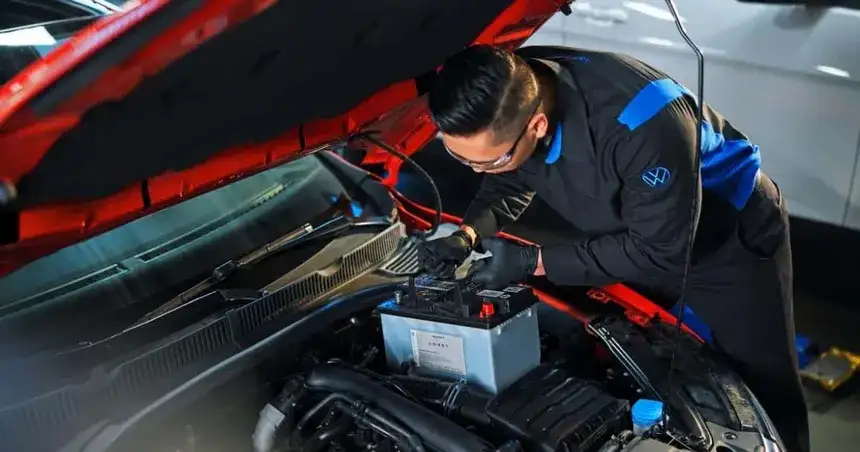
Last summer, a 2021 VW Atlas owner from Redlands experienced a no-start condition in a Target parking lot during 108-degree afternoon heat. They’d noticed slightly slower cranking over the previous weeks but assumed it was normal. The battery tested at only 45% capacity, severely weakened by three summers of Inland Empire heat without replacement. The emergency tow and battery replacement at an off-brand shop cost $380. A proactive battery test and replacement during spring service would have cost $195 and prevented the inconvenient breakdown.
Vehicle batteries face dramatically different stress in Southern California’s extreme heat compared to moderate climates. Many San Bernardino area VW owners don’t realize that high temperatures shorten battery life far more than cold weather, with batteries lasting only 3 to 4 years in the Inland Empire versus 5 to 6 years in moderate climates. Understanding how heat affects batteries, recognizing warning signs of battery weakness, and scheduling proactive replacement prevents the inconvenient and potentially dangerous breakdowns that occur when batteries fail in extreme heat.
The common misconception that cold weather is hardest on batteries leads to complacency in warm climates. The reality is that sustained high temperatures accelerate chemical reactions inside the battery, causing internal degradation that eventually leads to sudden failure, often during the worst possible moment like leaving work on a 110-degree afternoon.
If you own a VW in the San Bernardino area, have noticed slower engine cranking, see battery warning lights, or simply don’t know when your battery was last tested, understanding battery care in extreme heat protects you from unexpected breakdowns.
How Extreme Heat Affects Batteries
Understanding the science helps explain why warm-climate batteries require different care.
Heat accelerates the chemical reactions inside lead-acid batteries. While these reactions are necessary for battery function, excessive heat speeds them beyond optimal rates, causing internal plate degradation, electrolyte evaporation (in non-sealed batteries), and separator breakdown between positive and negative plates.
For every 15-degree increase in average temperature above 77 degrees Fahrenheit, battery life decreases by approximately 50%. In the Inland Empire where summer temperatures regularly exceed 105 degrees and vehicle engine compartments reach 150 degrees or higher, batteries experience constant stress that moderate-climate batteries never face.
The degradation is cumulative and accelerating. A battery surviving two summers may fail suddenly during the third summer as accumulated damage reaches critical levels. This explains why batteries often fail without obvious warning after seeming fine for years.
Internal Damage Mechanisms
High temperatures cause battery plates to corrode faster, reducing their ability to hold charge. The chemical paste on the plates breaks down and can physically shed from the plate structure, reducing surface area available for reactions.
Electrolyte evaporation in traditional flooded batteries concentrates the acid solution, increasing corrosion rates and potentially exposing plates if levels drop too low. While modern maintenance-free batteries minimize evaporation, extreme heat still causes some fluid loss over time.
Separator degradation allows positive and negative plates to make contact through microscopic shorts, causing self-discharge that drains the battery even when the vehicle sits unused. This is why batteries in hot climates often fail to start vehicles that have sat for a week, even though they seemed fine when last used.
Why Cold Weather Gets Blamed
Cold weather doesn’t damage batteries; it simply reveals existing weakness. A battery degraded by summers of heat still has enough capacity to start the engine in warm weather. When temperatures drop, the same degraded battery may lack sufficient cranking power because cold oil is thicker and chemical reactions slow in cold conditions.
Owners notice the failure during winter and blame cold weather, not realizing summer heat caused the actual damage. This misconception leads warm-climate owners to neglect battery service, assuming their batteries will last as long as those in cold climates.
“Battery failure is the number one cause of roadside assistance calls in the Inland Empire during summer,” says Jennifer Martinez, Service Advisor at our Camino Real location. “Customers are shocked when their 3-year-old battery fails, thinking batteries should last much longer. We explain that our 110-degree summer heat is far harder on batteries than winter cold elsewhere. A battery lasting 6 years in Seattle might only last 3 years here. The key is proactive testing and replacement before failure. Annual testing identifies weakening batteries while they’re still functioning, allowing planned replacement rather than emergency service at premium cost.”
Battery Life Expectations in Southern California
Realistic expectations help with planning and budgeting.
Typical Lifespan in Inland Empire
Standard flooded batteries typically last 3 to 4 years in Inland Empire conditions. AGM (Absorbed Glass Mat) batteries, which are more heat-resistant, typically last 4 to 5 years. Premium batteries with enhanced heat tolerance may reach 5 years but rarely exceed this in extreme-use conditions.
These lifespans assume regular driving maintaining battery charge. Vehicles driven infrequently (less than weekly) experience accelerated degradation from inadequate charging cycles.
Factors Affecting Longevity
Parking location dramatically impacts battery life. Garage-parked vehicles experience less extreme heat than those parked in direct sun for 8-plus hours daily. Covered parking adds 6 to 12 months to expected battery life compared to uncovered parking.
Driving patterns affect battery condition. Short trips (under 10 miles) don’t allow the alternator sufficient time to fully recharge the battery, creating chronic undercharge conditions that accelerate sulfation and reduce capacity.
Electrical accessory use impacts battery stress. Vehicles with aftermarket stereos, additional lighting, remote starters, or other electrical accessories draw more power, creating additional charging system demand and battery stress.
Signs of Weakening Battery
Slower engine cranking, particularly on hot afternoons, indicates reduced battery capacity. The starter cranks more slowly than usual or hesitates before the engine catches. Dashboard lights dim during cranking more than normal, showing voltage drop from a weak battery.
Electrical system irregularities including flickering lights, radio resets, or warning messages about electrical system issues suggest battery voltage instability. Clicking sounds during attempted starting (solenoid clicking but starter not engaging) indicate insufficient voltage to engage the starter motor.
These symptoms warrant immediate battery testing. Continuing to use a failing battery risks complete failure and potential damage to the alternator from working excessively hard trying to charge a dying battery.
Proactive Battery Maintenance
Regular maintenance extends battery life and prevents unexpected failures.
Annual Testing Schedule
Have your battery tested every spring (March or April) before summer heat intensifies. The test measures cold cranking amps, voltage under load, and overall capacity. Testing costs nothing at most service centers and provides critical information about battery condition.
Spring testing identifies batteries weakened over winter that won’t survive the coming summer. Planned replacement before heat arrives costs less than emergency service during summer and prevents inconvenient breakdowns.
Additionally, test before long trips. Don’t leave for vacation with a borderline battery. The cost and inconvenience of battery failure far from home far exceeds proactive replacement.
Terminal Cleaning and Protection
Battery terminals corrode in hot climates from accelerated chemical reactions. White, blue, or green crusty buildup on terminals creates resistance reducing current flow. This resistance makes the battery work harder and can prevent starting even when the battery has adequate charge.
Clean terminals annually or when visible corrosion appears. The service involves removing cables, cleaning terminals and cable ends with a wire brush or terminal cleaner, and applying protective spray or grease preventing future corrosion. Service costs $20 to 35 when performed separately, or is included in battery replacement service.
Secure Mounting
Loose batteries experience accelerated internal damage from vibration. Ensure the battery hold-down bracket is properly secured. The battery should not move when you attempt to rock it by hand.
Vibration causes plate damage and can crack the battery case, leading to acid leaks and shortened life. Check hold-down security during oil changes or other routine service.
Keep Battery Charged
Batteries left in low state of charge develop sulfation (lead sulfate crystals forming on plates) that reduces capacity. If you won’t drive for extended periods (more than a week), consider a battery tender or trickle charger maintaining charge.
For vehicles driven only occasionally, weekly 20-minute drives at highway speed help maintain battery charge. Short trips around the neighborhood don’t provide sufficient charging time.
A retired couple from Highland with a VW Passat they drove only twice weekly experienced repeated battery failures every 18 to 24 months. We explained their short trips and garage storage meant the battery never fully charged. They began taking a weekly 30-minute highway drive specifically to charge the battery. Their next battery lasted a full 4 years instead of failing prematurely.
Choosing the Right Replacement Battery
When replacement becomes necessary, selecting appropriate battery quality ensures optimal life and performance.
OEM vs. Aftermarket Batteries
VW original equipment batteries are specifically designed for your vehicle’s electrical system and heat tolerance requirements. These batteries cost $175 to 250 installed and provide the reliability and warranty coverage VW stands behind.
Quality aftermarket batteries from reputable manufacturers (Interstate, Optima, DieHard, etc.) offer comparable performance at sometimes lower cost. Ensure any aftermarket battery meets or exceeds VW specifications for cold cranking amps, reserve capacity, and physical dimensions.
Avoid discount batteries from unknown brands. The modest initial savings evaporate when these batteries fail prematurely, potentially causing electrical system damage from voltage irregularities.
AGM Battery Advantages
AGM (Absorbed Glass Mat) batteries cost approximately 40 to 60% more than standard flooded batteries but offer significant advantages in extreme heat. The sealed design prevents electrolyte evaporation, the internal construction resists vibration damage better, and heat tolerance exceeds standard batteries.
For vehicles with start-stop technology, premium audio systems, or extensive electronics, AGM batteries are often required rather than optional. Check your owner’s manual or consult with service advisors about whether your VW requires or would benefit from AGM technology.
The additional cost often proves worthwhile in Inland Empire conditions where AGM batteries may last a full year longer than standard batteries.
Group Size and Specifications
Ensure replacement batteries match your VW’s specified group size (physical dimensions) and electrical specifications. Using an incorrect group size can cause fitment issues or inadequate capacity.
Cold cranking amps (CCA) rating should meet or exceed VW specifications. Higher CCA provides better starting performance, particularly valuable when batteries weaken with age. Reserve capacity indicates how long the battery can power electrical systems if the alternator fails.
Extreme Heat Survival Strategies
Additional practices help batteries survive Inland Empire summers.
Parking Strategies
Park in covered or shaded areas whenever possible. Direct sun exposure for 8 hours daily can raise battery temperature 20 to 30 degrees above ambient, dramatically accelerating degradation.
If covered parking isn’t available, position the vehicle so the engine compartment (where the battery resides) faces away from afternoon sun. Even this small change reduces direct solar heating.
Home garage parking overnight allows the battery to cool completely, reducing average daily temperature exposure. This overnight cooling period significantly extends battery life compared to 24-hour outdoor parking.
Minimize Heat Exposure Time
After driving in extreme heat, avoid immediately shutting off the engine if possible. Allowing a brief cool-down period (30 to 60 seconds of idle) lets engine compartment temperatures begin dropping before shutting off, reducing peak heat exposure to the battery and other components.
Obviously this isn’t always practical, but when possible (such as arriving home), a brief cool-down helps.
Electrical Load Management
Minimize unnecessary electrical loads, particularly when the engine isn’t running. Avoid running accessories (radio, lights, phone charging) with the engine off. These loads drain the battery without the alternator replenishing charge.
In extreme heat, minimize AC use during short trips when possible. The AC compressor creates significant alternator load, leaving less charging capacity for the battery. This matters most on short trips where charging time is already limited.
Warning Signs Requiring Immediate Attention
Certain symptoms indicate battery failure is imminent and require immediate service.
A battery warning light illuminated on the dashboard indicates charging system problems. While this could be alternator-related rather than battery failure, immediate diagnosis is essential. Continuing to drive with a battery warning light risks complete electrical system shutdown.
Swollen or bloated battery case indicates severe internal damage from overheating or overcharging. This condition requires immediate replacement as the battery may rupture, leaking acid.
Strong sulfur or rotten egg smell near the battery suggests internal failure with acid leakage or excessive gassing. This condition is dangerous and requires immediate attention.
Complete failure to start with no clicking or cranking indicates either total battery failure or severe electrical system problem. Don’t attempt repeated starting; this can damage the starter or other electrical components.
Schedule Your Battery Service Today
That Atlas owner whose battery failed in the Target parking lot learned that proactive battery service prevents inconvenient and potentially dangerous situations. After the emergency tow and premium-cost replacement, they now have their battery tested every spring and replace it proactively before summer when testing indicates declining capacity. They haven’t experienced another unexpected failure.
Vehicle batteries face extraordinary stress in Inland Empire heat. Understanding that batteries last only 3 to 5 years in these conditions, recognizing warning signs of weakness, and scheduling proactive testing and replacement ensures reliable starting and prevents the inconvenience and expense of unexpected failures.
Our certified Volkswagen technicians at 1600 Camino Real provide comprehensive battery testing using professional diagnostic equipment that accurately measures battery condition. We’ll test your battery, explain the results clearly, and recommend replacement only when truly necessary.
Schedule your VW battery test today by calling our service department or booking online at Volkswagen San Bernardino, 1600 Camino Real, San Bernardino, CA 92408. We’ll evaluate your battery’s condition and help you avoid unexpected failures.
Proactive battery service provides reliable starting, prevents inconvenient breakdowns, and costs less than emergency replacement. That’s the peace of mind proper battery care delivers.
0 comment(s) so far on Volkswagen Battery Service Tips for Warm Climates