




Tire Pressure and the Desert Heat: Avoiding Blowouts on the I-215
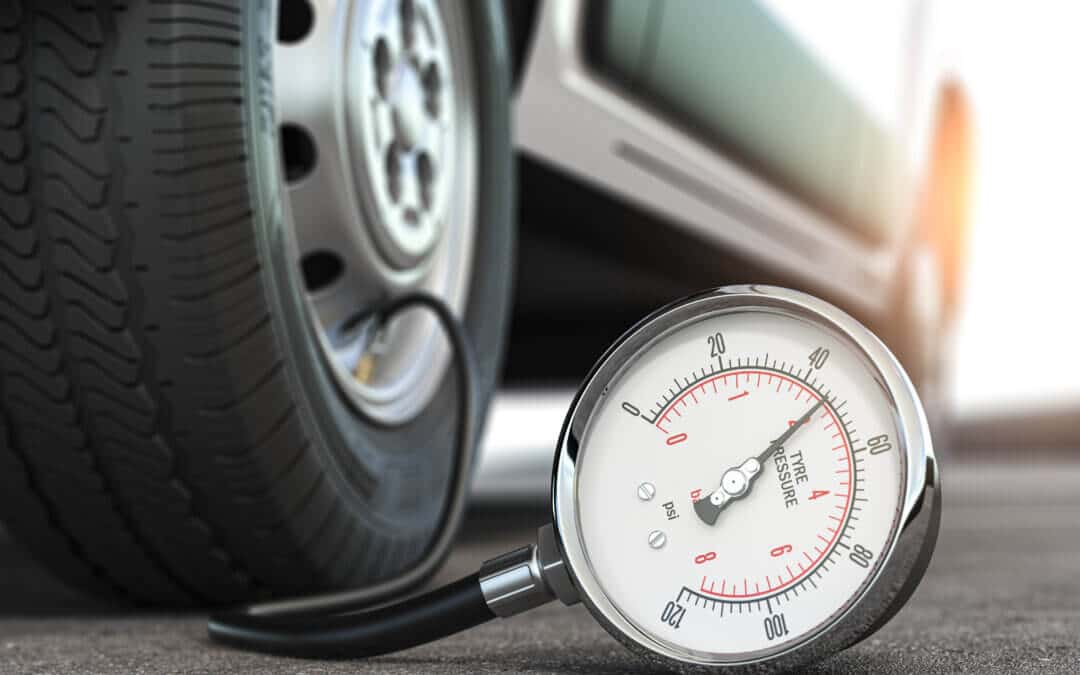
A Volkswagen Tiguan owner came into our service bay last August after a rear tire blowout on the I-215 northbound near the Baseline Street interchange during his afternoon commute from his workplace near the Ontario Mills area. The blowout had caused a significant scare at 70 mph before he managed to bring the vehicle safely to the shoulder. Post-incident inspection found that the tire had been running 12 PSI over the door placard specification from pressure buildup during the combination of the Inland Empire’s ambient heat and the thermal load of sustained highway speed. The tire’s sidewall had developed a stress failure from sustained overinflation that had been building for weeks without any driver-observable symptom until the failure occurred. A tire pressure check and correction three weeks earlier would have cost nothing and prevented everything.
The I-215 between San Bernardino and Murrieta is one of the more thermally demanding freeway environments for tires in California, and the combination of San Bernardino County’s desert-adjacent ambient temperatures, the radiant heat from the freeway surface during summer months, and the sustained highway speeds that I-215 traffic demands creates a pressure and thermal environment that tires experience very differently from what their engineering specifications assume for average operating conditions. For Volkswagen owners who commute on the 215 daily, the tire pressure question is not the routine maintenance item it would be in San Jose or Sacramento. It is a safety management consideration that the Inland Empire’s summer makes genuinely urgent in the specific way that blowout risk is urgent.
Most drivers understand that low tire pressure is dangerous. Fewer understand that overinflation from heat buildup is equally dangerous and specifically more likely in San Bernardino’s summer environment, because the tires that enter the I-215 at a correctly inflated cold pressure are not at that pressure by the time the commute reaches its midpoint on a July afternoon. Understanding what the Inland Empire’s heat does to tire pressure, how to manage it correctly for the specific conditions of the 215 corridor, and what the warning signs of a tire that has been managing sustained pressure stress look like is the information that makes the difference between a tire pressure check that takes three minutes and a blowout that the Tiguan owner described as the most frightening experience of his driving life.
What Heat Does to Tire Pressure on the I-215
Tire pressure is a function of the air temperature inside the tire. As air temperature increases, the molecules move faster and exert more pressure against the tire’s inner surface. The relationship is consistent and predictable: for every 10 degrees Fahrenheit of temperature increase, tire pressure rises by approximately 1 PSI. This relationship, known as Gay-Lussac’s Law in its automotive application, is the physics behind both the morning pressure drop that San Bernardino drivers experience in winter and the afternoon pressure spike that the summer sun creates.
A Volkswagen Tiguan with tires correctly inflated to the door placard specification of 35 PSI at 7 AM on a San Bernardino morning before the day’s heat has built is not at 35 PSI by the time the afternoon commute on the 215 reaches its peak. The ambient temperature increase from a 68-degree San Bernardino morning to a 108-degree afternoon accounts for approximately 4 PSI of pressure increase from ambient temperature alone. The heat generated by the tire’s own flexing during highway driving at 70 mph adds additional internal temperature that can push the tire’s internal air temperature 30 to 50 degrees above ambient. The total pressure increase from a correctly inflated morning tire to the same tire’s internal pressure during an afternoon I-215 commute at highway speed on a San Bernardino summer day can reach 8 to 12 PSI above the morning cold inflation pressure.
A tire that is correctly inflated at cold pressure in the morning may be running 10 or 12 PSI over its maximum designed operating pressure by the afternoon commute, and at that overinflation level the tire’s contact patch with the road surface has been reduced from its designed geometry, the tire’s ability to flex and absorb road imperfections has been compromised, and the stress on the tire’s construction, particularly the sidewall, has been elevated to a level that sustained operation at highway speed can bring to a structural failure point. The Tiguan owner’s blowout was the acute expression of a pressure and thermal condition that had been developing through multiple commutes without producing any warning the driver could observe from the seat.
Why the I-215 Creates Specific Blowout Risk 🌡️
Not all Southern California freeways create the same tire pressure environment, and the I-215 between San Bernardino and the I-15 interchange has specific characteristics that make it one of the higher tire stress environments in the Inland Empire’s road network.
The freeway surface temperature on the I-215 during peak summer afternoon hours is significantly higher than ambient air temperature because dark asphalt absorbs solar radiation and re-emits it as heat from the road surface. Measurements of freeway surface temperatures in the Inland Empire during July and August afternoons regularly show surface temperatures 40 to 60 degrees above ambient air temperature, which means a tire rolling on the I-215 at 3 PM on a 108-degree day is rolling on a surface that may be at 150 degrees or higher. That surface heat transfers into the tire’s tread and casing through direct contact, adding to the internal temperature buildup from the tire’s own flexing.
The sustained speed profile of the I-215 compound this. Highway driving at 65 to 75 mph produces more tire heat from flexing per unit of time than stop-and-go driving does because the tire is completing more flex cycles per minute at highway speed. The I-215’s relatively consistent highway speed profile, interrupted by the congestion zones near the Baseline Street and University Parkway interchanges where traffic slows and then accelerates again, creates the combination of sustained heat buildup during highway segments and additional flex stress during the acceleration events that follow deceleration zones.
The commuter traffic pattern that many San Bernardino and Inland Empire residents follow on the I-215 puts them on the freeway during the specific afternoon window when all of these conditions peak simultaneously. A tire that has been building heat since morning, has its internal pressure elevated from the day’s ambient temperature increase, and is then asked to perform sustained highway speed operation on a hot freeway surface during a hot afternoon is being managed by conditions that compound rather than offset each other.
What Correct Tire Pressure Management Costs vs. What a Blowout Costs 💰
The cost comparison between appropriate tire pressure management and the consequences of a blowout on the I-215 is one of the most dramatic in automotive maintenance:
Tire pressure check and management:
- Tire pressure check at home with quality gauge: $0
- Tire pressure check and correction at Volkswagen San Bernardino: $0 with any service visit, $15 standalone
- Nitrogen fill service (reduces pressure variation from temperature cycling): $25 to $45 for all four tires
Blowout consequences on the I-215:
- Tire replacement after blowout (one tire): $150 to $280
- Wheel replacement if rim damage occurred during blowout: $200 to $600
- Suspension inspection after blowout handling event: $75 to $120
- Tow from I-215 if vehicle cannot be driven: $95 to $180
- Potential body damage from loss of control event: $500 to $5,000 depending on severity
- Injury risk from I-215 blowout at 70 mph: Not quantifiable
The tire pressure check that costs nothing and the nitrogen fill that costs $45 for all four tires are the interventions that eliminate the blowout risk the Tiguan owner experienced. The correction that follows a blowout costs between $520 and $1,180 in the best case where no control event occurred and between $1,020 and $6,000 or more when damage accompanies the failure.
A Fontana Commuter Who Changed One Habit
A Volkswagen Atlas owner from Fontana had been commuting on the I-215 between Fontana and her workplace near the Waterman Avenue interchange for three years without giving tire pressure specific attention beyond the occasional gas station check. After hearing about the Tiguan owner’s blowout from a colleague who worked at our facility, she came in and asked for a tire pressure assessment and an explanation of how the Inland Empire’s heat affects pressure management. Our team walked her through the morning-versus-afternoon pressure differential for her specific tire, showed her the door placard specification, and filled all four tires with nitrogen to reduce the pressure variation from temperature cycling. We also recommended checking cold pressure monthly before her morning commute and adjusting to 2 PSI below the door placard specification in summer to account for the afternoon heat buildup. She has followed that protocol for two subsequent I-215 summer commute seasons without a pressure-related concern.
Warning Signs Your VW’s Tires Are Under Pressure Stress ⚠️
The thermal pressure stress that the I-215 creates in Inland Empire VW tires produces identifiable warning signs that are worth recognizing before the pressure-related failure rather than after it:
TPMS warning light that appears during the afternoon commute and clears by morning: A pressure warning that follows this pattern is showing the temperature-driven pressure increase of the I-215 afternoon commute pushing the tire above the TPMS warning threshold, which then drops back below the threshold as the tire cools overnight. This pattern is the pressure management system communicating that the tire’s morning inflation pressure is too close to the warning threshold to safely accommodate afternoon heat buildup. The tire that triggers afternoon TPMS warnings on the I-215 needs its morning inflation pressure adjusted downward to create the thermal expansion headroom the afternoon heat will consume.
Tires that feel noticeably firmer than usual after an afternoon I-215 commute: Running your hand across the tire sidewall after parking following a hot afternoon commute is not a precision measurement but it provides a tactile reference point. A tire that feels distinctly harder than normal after the commute has been operating at elevated pressure, and if that firmness feels notably more pronounced than what you experienced on similar commutes earlier in the season, the pressure buildup has increased from earlier in the driving season as summer temperatures have peaked.
Abnormal tread wear across the center of the tread versus the edges: Sustained overinflation causes the center of the tread to bear disproportionate contact load because the overinflated tire’s contact patch rounds toward the center rather than distributing load across the full tread width. A wear pattern that is more pronounced in the center of the tread than at the edges on a Volkswagen that has been commuting on the I-215 through an Inland Empire summer indicates the tire has been running overinflated during a significant portion of its use.
Sidewall bulge visible on any tire: A bulge in the tire’s sidewall is structural damage that indicates the tire’s internal construction has been compromised by sustained stress. On a tire that has been managing the I-215’s thermal pressure cycle, a sidewall bulge is a pre-blowout warning that makes the tire unsafe for highway use regardless of the tread depth remaining. This is a same-day tire replacement situation rather than a monitor-and-see one.
TPMS warning that appears immediately after starting the vehicle on a hot afternoon: A pressure warning that appears at vehicle startup on a hot afternoon, before the tire has accumulated additional heat from driving, indicates the tire’s cold pressure was already elevated above the TPMS warning threshold from the ambient heat the vehicle absorbed while parked. A vehicle parked in an exposed lot on Camino Real or near the I-215 interchange on a July afternoon can have interior temperatures and tire temperatures that elevate pressure significantly above the morning cold inflation level.
Vibration at highway speed that appeared gradually rather than suddenly: A gradual vibration that develops over the course of the I-215 commute and is not present at lower speeds or at the start of the drive can indicate a tire that is deforming slightly from sustained pressure and heat stress. This is different from the sharp, sudden vibration of an acute failure and represents the pre-failure stress state that a tire inspection would identify before the failure completes.
Visual inspection that shows cracking at the base of the sidewall near the wheel rim: The junction between the sidewall and the bead area where the tire seals against the wheel is a stress concentration point during overinflation events. Cracking in this area that is visible during a walk-around inspection indicates the tire’s rubber compound has been stressed beyond its elastic limit by repeated overinflation cycles. This finding warrants tire replacement rather than continued use regardless of tread depth.
What Our Service Team Says
“The overinflation conversation is one that most drivers are not expecting when they come in for a tire pressure concern in San Bernardino, because the general awareness is that low pressure is the danger and high pressure is the safety margin. In a moderate climate that relationship holds reasonably well. In an Inland Empire summer on the I-215, a tire that is at the correct cold inflation pressure in the morning can be dangerously overinflated by the afternoon commute, and the driver has no way to know that from inside the vehicle until something goes wrong. We recommend that every Volkswagen owner in this market check their cold tire pressure monthly in summer, set it 2 PSI below the door placard specification to allow for the afternoon heat buildup, and consider nitrogen filling to reduce the pressure variation from temperature cycling. Those three habits eliminate the overinflation risk that the I-215 summer creates.” — Miguel Reyes, Senior Service Technician, Volkswagen San Bernardino
When Proactive Management Prevented a Summer Season of Risk
Rosa drives her Volkswagen Jetta on a daily I-215 commute between her home near the Baseline Street interchange and her workplace near the Ontario Mills area. She came in last June at the start of summer specifically asking about tire pressure management after a colleague had described the Tiguan blowout incident. Our team provided the summer pressure management protocol, filled her tires with nitrogen, and walked her through the monthly cold pressure check procedure and the 2 PSI below placard summer inflation target. She followed the protocol through the entire I-215 summer commute season. Her tires showed even, normal tread wear at the September inspection, no TPMS warnings had appeared during the summer, and her tire sidewalls showed no stress cracking. She described the protocol as the easiest and least expensive safety improvement she had made to her vehicle, which is an accurate description of three minutes per month and a $35 nitrogen fill.
Your 30-Day I-215 Tire Pressure Plan
This week, check your Volkswagen’s tire pressure first thing in the morning before the vehicle has been driven and while the tires are genuinely cold. Note the current pressure reading for each tire and compare it against the door placard specification on the driver-side door jamb. If you are in the Inland Empire’s summer heat season, set the pressure to 2 PSI below the door placard specification rather than exactly at it, which creates the thermal expansion headroom that the I-215’s afternoon heat buildup will consume while keeping the tire within its safe operating range through the full temperature cycle.
Within two weeks, schedule a nitrogen fill service at Volkswagen San Bernardino if you have not had one and your I-215 commute takes you through the peak afternoon heat window regularly. Nitrogen’s lower moisture content and larger molecular size reduces the pressure variation from temperature cycling compared to compressed air, which means the morning-to-afternoon pressure differential is more predictable and manageable with nitrogen than with air. The service is a one-time investment per tire rotation cycle and reduces the pressure monitoring burden during the summer months when the I-215’s thermal environment is most aggressive.
By month’s end, establish a monthly cold tire pressure check as a standing first-day-of-the-month practice during the April through October period when Inland Empire temperatures make the overinflation risk most relevant. Set a phone reminder if that helps convert a one-time intention into a standing habit, because the pressure management that prevents a blowout on the I-215 is not a once-before-summer action. It is a throughout-summer rhythm that accounts for the month-to-month temperature progression as the season peaks and then declines. These steps take less than five minutes per month and protect against the risk that the Tiguan owner experienced as the most frightening event of his driving life.
Schedule Your Tire Service at Volkswagen San Bernardino
The Tiguan owner whose blowout on the I-215 northbound produced the Monday service appointment, the new tire, and the experience he described in terms that made his commuting colleagues take tire pressure management seriously has been on the summer pressure protocol since that visit. He checks cold pressure on the first of every month from April through October, runs 2 PSI below the door placard specification through the peak heat months, and had a nitrogen fill performed at his next service visit after the blowout. He has commuted on the I-215 through two subsequent Inland Empire summers without a pressure-related concern. The protocol cost him nothing beyond the nitrogen fill, which cost $35. The blowout it prevents from repeating would start at $520 in the best case and goes up from there depending on what accompanies the failure.
Our team at Volkswagen San Bernardino understands the I-215’s tire pressure environment because we service vehicles from the Inland Empire’s commuter population through every summer season and see what that environment produces in tires that are not managed for its specific demands. We have the nitrogen fill capability, the tire pressure management protocol, and the tire inspection expertise to tell you where your specific tires stand relative to the I-215’s summer demands before the freeway reveals the answer at 70 mph.
Visit us at Volkswagen San Bernardino, 1600 Camino Real, San Bernardino, CA 92408. Our service department is open Monday through Saturday. Schedule your tire pressure service or inspection online through our website or speak with one of our service advisors directly. We serve drivers throughout San Bernardino, Fontana, Rialto, Colton, Ontario, and across the Inland Empire. The I-215 summer is not forgiving to tires that are not managed for its heat. Three minutes a month is what stands between your commute and the shoulder of the 215. ☀️
0 comment(s) so far on Tire Pressure and the Desert Heat: Avoiding Blowouts on the I-215