




The SoCal Sun Factor: Protecting Your VW’s Panoramic Sunroof Seals from Dry Rotting
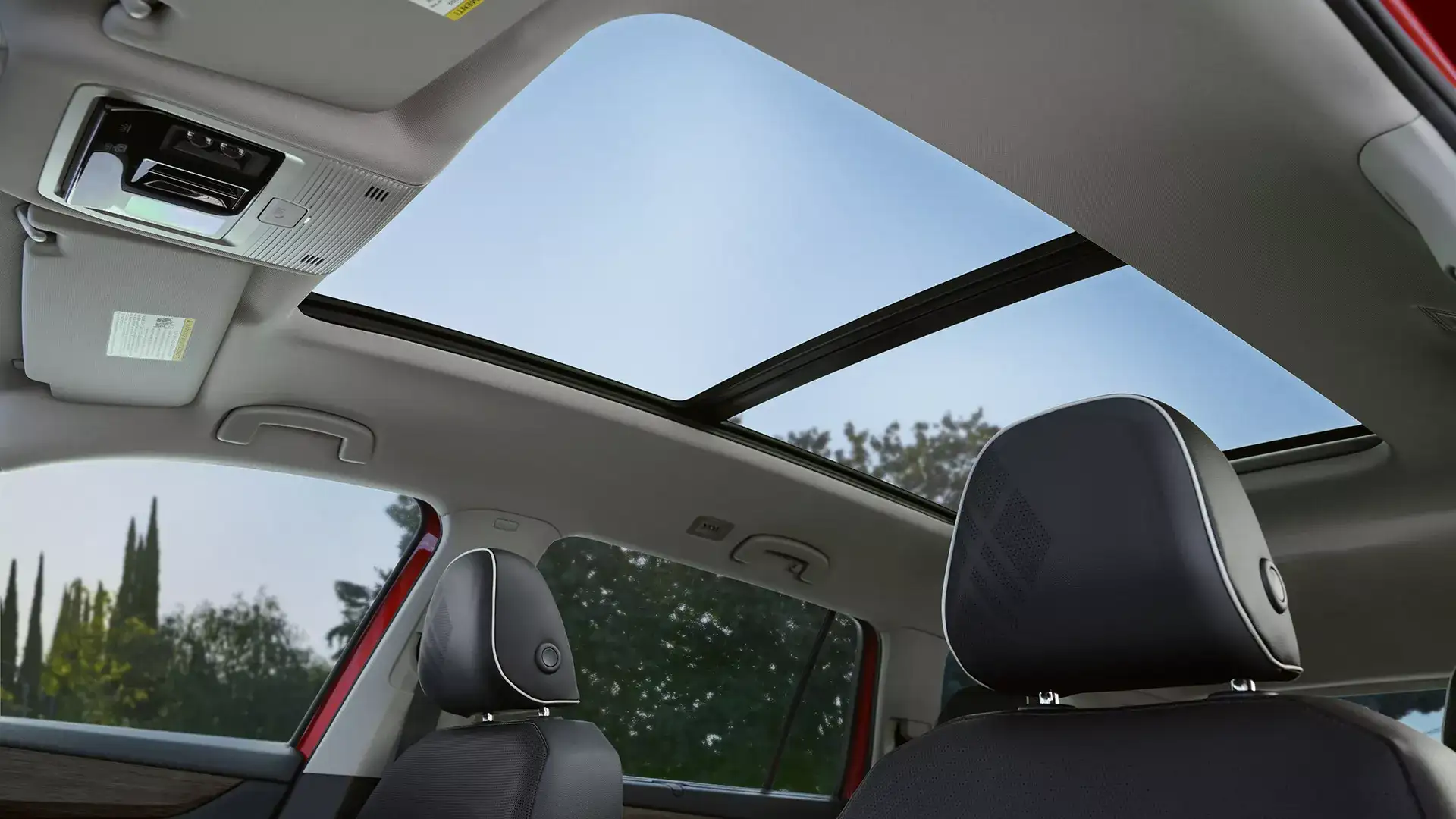
A VW Tiguan, Atlas, or Passat sitting in a San Bernardino parking lot on a July afternoon is parked in one of the most UV-aggressive environments in the country. Summer temperatures in the Inland Empire regularly reach 100 to 107 degrees Fahrenheit, and the combination of UV intensity, heat, and low humidity that defines Southern California’s climate degrades rubber and elastomeric components years ahead of the timeline those same materials would follow in a moderate climate. The panoramic sunroof seal is one of the most exposed rubber components on the entire vehicle, and once it dry rots and loses its sealing integrity, the consequences arrive through the headliner in the form of water damage that costs far more to repair than the seal inspection that would have caught it early.
Understanding what the SoCal environment actually does to sunroof seal materials, how the failure progression works, and what a practical inspection and maintenance routine looks like gives San Bernardino VW owners a clear path to protecting a component that sits directly in the path of the region’s most damaging conditions every single day.
What UV and Heat Do to Sunroof Seal Materials
VW panoramic sunroof seals are made from EPDM rubber, a synthetic elastomer chosen for its durability and flexibility across a range of temperatures. In moderate climates, properly maintained EPDM seals can remain functional for many years. In a high-UV, high-heat environment like San Bernardino, the chemistry works against those properties from the day the vehicle leaves the lot.
UV radiation attacks the polymer chains in rubber compounds through a process called photo-oxidation. Over time, UV breaks down the cross-links that give rubber its elasticity, causing the material to harden progressively. Heat accelerates this process substantially. When a vehicle sits parked on an exposed surface with the glass roof absorbing and retaining solar heat, the seal temperature can climb well beyond the ambient air temperature, and that elevated thermal load drives degradation faster than sunlight alone would.
The result is dry rot: a condition where the seal loses its pliable, compressible character and becomes rigid, brittle, and prone to cracking. A seal in this state no longer compresses evenly against the glass panel when the sunroof closes. Microscopic gaps form, particularly at the corners where the seal geometry requires it to flex. Those gaps are where the water finds its entry point, and in San Bernardino, even a single significant rainstorm can push enough water through a compromised seal to saturate the headliner insulation, reach the electronics housed in the headliner console, and run down the A-pillar into the footwell.
The Drain System and Why Seal Condition Matters More Here
VW panoramic sunroofs are engineered with an inherent assumption that some water will reach the seal area during rain, car washes, or morning dew. The design includes four drain tubes routed through the A-pillars and C-pillars that carry overflow water down through the body structure and out below the vehicle. Under normal conditions, this system works as intended.
The drain system, however, was engineered to handle the overflow that gets past a functioning seal, not to compensate for a seal that has failed entirely. When a dry-rotted seal allows water to pass freely rather than deflecting it, the volume entering the drain channels can exceed what the tubes can carry, particularly if any of the four drains are partially restricted by debris, palm frond material, or the dust accumulation that the Inland Empire produces year-round. The overflow goes into the headliner.
This dynamic creates a specific risk profile for San Bernardino VW owners: a degraded seal combined with a debris-loaded drain is a reliable path to significant interior water damage, and neither problem announces itself visibly until the water is already inside the vehicle.
What Drain Maintenance Looks Like
Because drain blockage compounds the risk created by aging seals, keeping the sunroof drain system clear is a maintenance item that belongs on the annual service calendar for any VW with a panoramic roof in the Inland Empire. The four drain tubes each have an opening at the sunroof frame channel level, and those openings can collect:
- Dust, fine debris, and the fine particulate matter that San Bernardino County consistently produces from Mojave desert wind events and the region’s air quality challenges
- Tree material from palm trees, eucalyptus, and other common SoCal landscaping that sheds into rooftop openings
- Insect material and small debris that accumulates wherever there is a channel that retains moisture or shade
A certified VW technician can flush and clear all four drain tubes using compressed air and a verification water test that confirms drainage is flowing freely at each exit point. Drain cleaning at a dealer service center typically runs in the range of $50 to $200 depending on the level of blockage and whether the rear drains require partial headliner access to clear. That cost is a fraction of what interior water damage remediation involves once moisture has reached the headliner insulation and surrounding materials.
Recognizing Seal Degradation Before It Becomes a Leak
The visual signs of sunroof seal degradation are readable before the seal fails completely, which makes an annual inspection practical and effective for San Bernardino VW owners. A seal in early-stage dry rot will show:
- Surface hardening and a loss of the slight give the rubber should have when pressed firmly with a fingertip
- Surface cracking or checking, the fine network of cracks that appears on degraded rubber as it loses elasticity, most visible at the corners and along the edges where the seal flexes most
- Discoloration from the original dark color toward gray or faded tones, indicating UV has penetrated the surface layer
- Gaps or separation at the corners of the seal where the geometry requires the most flexibility and the material fails first under hardening conditions
A seal showing those characteristics needs conditioning at minimum and replacement evaluation by a VW technician. A seal that has already begun to crack should be assessed for replacement before the next rainy season, not after it.
Seal Conditioning as a Preventive Step
For seals that have not yet progressed to cracking, regular conditioning with a silicone-based rubber treatment can meaningfully slow UV and heat degradation by maintaining surface flexibility and providing a partial barrier against further photo-oxidation. Application frequency matters more in San Bernardino than in moderate climates, where annual application is often sufficient. For a vehicle that parks outdoors in the Inland Empire, conditioning the sunroof seal every six months is a more appropriate interval.
Conditioning is a straightforward process: clean the seal surface of accumulated dust and debris, apply a silicone-based rubber conditioner to the seal perimeter, allow it to absorb, and wipe away any excess before closing the sunroof. A VW technician performing an annual service can include seal conditioning in the visit without adding significant time to the appointment.
What Interior Water Damage from a Failed Seal Costs
The motivation for staying ahead of seal degradation is sharpest when the downstream repair costs are understood clearly:
- Headliner replacement on a VW Tiguan or Atlas, required when water saturation has deformed or stained the headliner beyond cleaning, typically runs between $500 and $1,200 in parts and labor depending on the model and whether the panoramic sunroof headliner section requires separate replacement
- Electronics damage to the overhead console, map lights, sunroof motor controls, or HVAC sensor modules housed in the headliner can push repair costs significantly higher depending on which components were reached by water
- Mold remediation in the headliner insulation and adjacent carpet areas, which can develop within days in the moisture-retaining interior conditions a Southern California summer creates once water has entered, adds cost that is difficult to estimate until the extent of the saturation is known
Each of those outcomes is preventable through the combination of annual seal inspection, drain clearing, and six-month seal conditioning that costs a small fraction of any one of those repairs.
The factory-trained service team at Volkswagen San Bernardino, located at 1600 Camino Real, San Bernardino, CA 92408, inspects panoramic sunroof seals, clears drain tubes, and performs seal conditioning as part of routine service visits, with the VW-specific knowledge of what SoCal conditions demand from these components. Schedule your inspection before the winter rain season and make sure your sunroof is ready for whatever the Inland Empire delivers.
0 comment(s) so far on The SoCal Sun Factor: Protecting Your VW’s Panoramic Sunroof Seals from Dry Rotting