




The 2026 VW Jetta: Optimizing MPG for the SoCal Commute
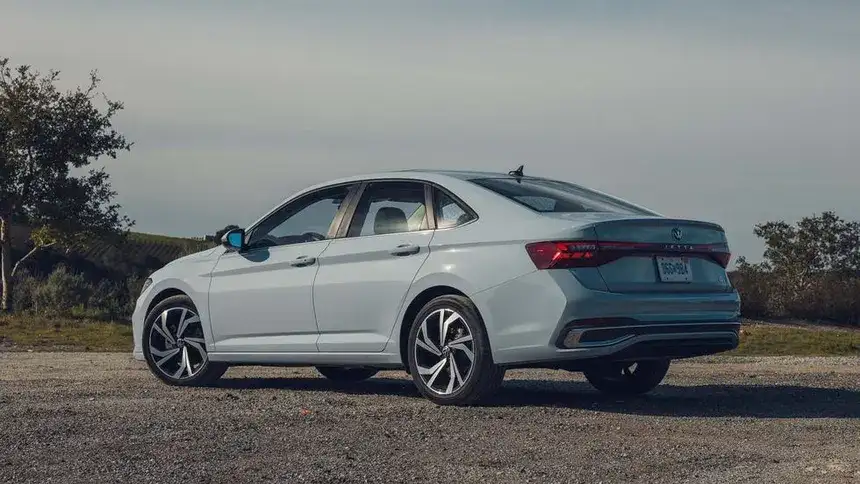
Kevin had been bragging to his coworkers about his new 2026 Jetta’s fuel economy since the day he picked it up from the dealership. By month four, he noticed his real-world mpg had dropped noticeably from what he was seeing during the first few weeks. He figured it was just how the car settled in. By month eight, after a summer of daily commutes on the 215 and 10 freeways and no maintenance beyond filling the tank, his fuel economy had fallen nearly 18 percent from the EPA estimate. The diagnosis was a clogged air filter, degraded spark plugs, and underinflated tires, all things a $210 maintenance visit would have caught. Restoring his Jetta to peak efficiency after the neglect cost Kevin $640.
The 2026 Jetta is one of the most fuel-efficient vehicles in its class, and that’s a big reason it resonates with drivers in the San Bernardino area. When your daily routine means getting onto the 215 before sunrise, merging onto the 10 toward Ontario or Riverside, and sitting in the kind of stop-and-go traffic that the Inland Empire does better than almost anywhere in California, fuel economy stops being a spec sheet number and starts being a line item in your monthly budget. A few cents per mile adds up fast when you’re putting 15,000 or 20,000 miles a year on a commuter vehicle.
What most Jetta owners don’t realize is that fuel efficiency isn’t something that just happens. It’s something the engine delivers when the systems supporting it are properly maintained. At Volkswagen San Bernardino, we see the same pattern regularly: a new owner enjoys strong mpg numbers for the first several months, then watches them quietly erode without understanding why. The good news is that the causes are almost always predictable and preventable.
How the 2026 Jetta’s Engine Delivers Its Efficiency Numbers
The 2026 Jetta is powered by a turbocharged 1.5-liter TSI engine that uses a combination of direct injection, variable valve timing, and an active cylinder management system to balance performance with efficiency. Under light load, such as steady freeway cruising on the 215 north toward Devore, the engine can effectively reduce its workload to conserve fuel. Under heavier demand, like accelerating from a dead stop on Camino Real during morning congestion, the turbo spools up and delivers the torque needed without the fuel penalty of a larger displacement engine.
That sophistication is what produces the 2026 Jetta’s efficiency ratings. It is also what makes the engine sensitive to the condition of its supporting systems. The air it breathes, the fuel it burns, the spark that ignites the mixture, and the oil lubricating the valvetrain all have to be within spec for the engine management system to operate as designed. When any of those inputs degrade, the system compensates in ways that quietly cost you fuel economy before they ever trigger a warning light.
What Southern California Driving Actually Does to Your Fuel Economy 🌞
San Bernardino County driving is a specific kind of hard on a commuter vehicle. The combination of elevated ambient temperatures, heavy stop-and-go traffic, long freeway stretches with inconsistent flow, and some of the worst air quality days in California creates conditions that accelerate the degradation of the systems tied directly to fuel efficiency.
Hot intake air is denser with pollutants and harder on air filters than cooler climates. On high-AQI days along the I-10 corridor between San Bernardino and Fontana, your Jetta’s air filter is working against particulate levels that rural or coastal California drivers rarely encounter. A filter that might last 20,000 miles in Monterey can be noticeably restricted at 12,000 miles in the Inland Empire. A restricted filter means the engine pulls harder for the same air volume, and fuel economy drops as a direct result.
Tire pressure compounds the problem. San Bernardino’s temperature swings between cool winter mornings and summer afternoons that regularly push past 100 degrees on the flats near the 215 and 10 interchange cause significant pressure fluctuation. Tires that are properly inflated in January can be meaningfully underinflated by July without a single slow leak, and underinflated tires increase rolling resistance in a way the driver almost never feels but the fuel gauge absolutely reflects.
What Optimized Jetta Maintenance Costs vs. What Neglect Costs 💰
Keeping the 2026 Jetta’s efficiency systems in good shape is not expensive when approached proactively. Here is what the key services typically run at Volkswagen San Bernardino:
- Full synthetic oil change (TSI-specified fluid): $85 to $110
- Engine air filter replacement: $45 to $75
- Spark plug replacement (at interval): $120 to $180
- Fuel system cleaning service: $95 to $150
- Tire rotation and pressure check: $25 to $45
Proactive maintenance over 30,000 miles: $600 to $900 total
Deferred maintenance and its corrections: $800 to $1,500, plus the fuel you waste the entire time efficiency is degraded
Staying current costs less and keeps money in your pocket on every commute. Letting these services slide compounds quietly until the repair bill says what the fuel gauge was already telling you.
A Commuter Who Learned the Hard Way on the 215
A Jetta owner from Colton came in last spring after noticing his fuel economy had dropped enough that he was filling up an extra time per month compared to when he first bought the car. He commuted daily to Ontario via the 215 and estimated he was losing about $35 to $40 per month in extra fuel costs. When we inspected the vehicle, we found an air filter that was visibly clogged with the kind of particulate buildup typical of Inland Empire freeway driving, spark plugs that were past their replacement interval, and tires running about 6 PSI low across all four corners. The full correction cost $340. The fuel he had wasted over the prior six months of degraded efficiency represented significantly more than that.
Warning Signs Your Jetta’s Fuel Economy Is Slipping ⚠️
Fuel economy doesn’t collapse overnight. It erodes gradually, which is exactly why most drivers miss it until the loss is significant. These are the signs to watch for:
More frequent fill-ups without changes in driving habits: If you’re stopping at the gas station on Hospitality Lane or near the 215 more often than you used to, and your commute hasn’t changed, something in the efficiency chain has degraded.
Sluggish acceleration from stops: The 2026 Jetta should feel responsive pulling away from signals on Camino Real. If it feels flat or hesitant before the turbo builds, spark plug or fuel delivery issues may be affecting combustion efficiency.
Engine running rougher at idle: A smooth idle is a sign of clean, consistent combustion. Roughness or mild vibration at a stoplight can indicate misfires that waste fuel and stress the catalytic converter.
Air filter visibly gray or brown: You can check this yourself. A new filter is white or light tan. If yours looks dark when you pull it, it’s restricting airflow and costing you mpg on every commute.
Fuel smell from the engine bay: This can indicate an injector delivering more fuel than the engine is burning cleanly, a sign that the fuel system may need attention.
Tires that look low but feel fine to drive: Tires can lose 4 to 6 PSI before most drivers notice handling changes. At that point, rolling resistance has already been increasing your fuel consumption for weeks.
What Our Service Team Says
“The number one thing I see with Jetta owners in this area is that they’re treating their maintenance schedule like it was designed for average driving conditions, and commuting in the Inland Empire is not average driving conditions. The heat, the air quality, the stop-and-go on the 215 and the 10, all of that accelerates wear on the systems that control fuel efficiency. I tell people: check your tire pressure monthly, not seasonally, and don’t push your air filter past 12,000 miles if you’re doing freeway commutes through San Bernardino.” — Miguel Reyes, Senior Service Technician, Volkswagen San Bernardino
When Staying on Schedule Made All the Difference
Rosa drives her 2026 Jetta from San Bernardino to her job in Riverside five days a week, putting close to 22,000 miles per year on the vehicle. She came in early on and asked our service team to help her build a maintenance plan around her actual driving pattern rather than just the standard interval stickers. We adjusted her air filter inspection to every 10,000 miles given her commute route along the 215 and 60 corridors, set her up on a consistent tire pressure check schedule, and made sure her oil changes used the correct TSI-spec full synthetic. Eighteen months and 33,000 miles in, her real-world fuel economy is within half a mpg of her original delivery-day numbers. That kind of consistency doesn’t happen by accident.
Your 30-Day Jetta Efficiency Check
This week, check your tire pressure before your morning commute, ideally when the tires are cold and haven’t been driven on yet. San Bernardino’s temperature swings mean even recently serviced tires can be off by the time summer arrives. Your 2026 Jetta’s door jamb sticker shows the correct PSI, and most gas stations near the 215 have air available. This one check takes three minutes and can recover a measurable amount of fuel economy immediately.
Within two weeks, pull your air filter and take a look at it. If you’ve been commuting through the Inland Empire for more than 10,000 miles since your last filter change, there’s a reasonable chance it needs replacement regardless of what the sticker says. A new filter is a straightforward visual comparison against your old one.
By month’s end, schedule a full efficiency inspection at Volkswagen San Bernardino if you haven’t had one this year. Bring your average monthly fuel spending if you track it. Our team can compare your current fuel economy against the 2026 Jetta’s baseline for your trim and driving pattern, identify what’s drifting, and correct it before the loss compounds further. These three checks take less than an afternoon but can put real money back in your pocket every month you drive.
Schedule Your Jetta Efficiency Service at Volkswagen San Bernardino
Kevin eventually came back to us after that $640 correction visit, and this time he asked for a maintenance schedule built around his actual commute rather than guesswork. He’s been on track since, and his fuel economy has held steady through his daily runs on the 215 and 10. The 2026 Jetta is genuinely one of the best commuter values in its segment, but it delivers those numbers when it’s maintained to the standard the engine was designed around.
Our team at Volkswagen San Bernardino is trained on the 2026 Jetta platform and equipped with the tools and fluids the TSI engine requires. Whether you need a quick efficiency check or a full catch-up service after a stretch of deferred maintenance, we’re ready to help you get the most out of every gallon.
Visit us at Volkswagen San Bernardino, located at 1600 Camino Real, San Bernardino, CA 92408. Our service department is open Monday through Saturday. Schedule online through our website or stop in and speak with one of our advisors directly. We serve drivers throughout San Bernardino, Colton, Fontana, Rialto, Ontario, and across the Inland Empire. Your commute is long enough. Your fuel economy shouldn’t be making it more expensive. 🔑
0 comment(s) so far on The 2026 VW Jetta: Optimizing MPG for the SoCal Commute