




Surviving San Bernardino Smog Inspections: VW Exhaust & EVAP System Checkup
Key Takeaways
- California’s smog inspection process places heavy emphasis on the EVAP system, which controls fuel vapor emissions and is one of the most common reasons vehicles fail testing.
- San Bernardino’s heat and stop-and-go traffic along I-215 and Camino Real accelerate wear on components like gaskets, hoses, and the catalytic converter that directly affect emissions readings.
- A pre-inspection exhaust and EVAP checkup catches small leaks and sensor faults before they turn into a failed test and a scramble to fix issues under time pressure.
- Ignoring a developing EVAP or exhaust issue can turn a $90 to $160 inspection into a $1,500-plus catalytic converter or fuel system repair, on top of the inconvenience of a failed smog test.
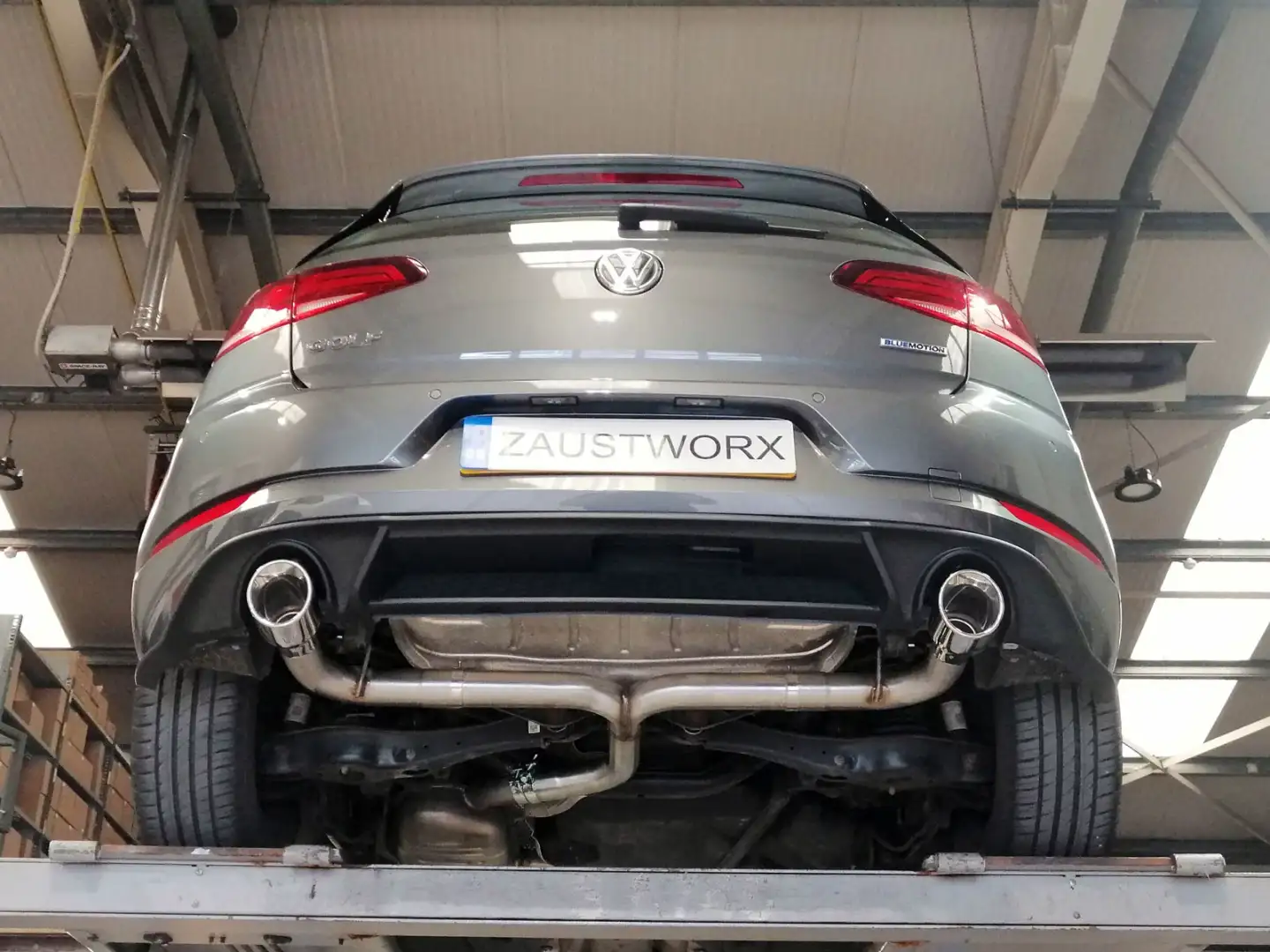
San Bernardino drivers know that a California smog check isn’t just a formality, it’s a genuine pass-or-fail test that can leave a vehicle unable to renew its registration until the underlying issue is fixed. For VW owners, the two systems most likely to cause an unexpected failure are the exhaust system, particularly the catalytic converter, and the EVAP system, which manages fuel vapor recovery and is notoriously sensitive to even small leaks. San Bernardino’s summer heat, combined with the stop-and-go traffic patterns along I-215 and the busier stretches of Camino Real, tends to accelerate wear on the very components smog testing scrutinizes most closely. A failed smog check that traces back to a degraded catalytic converter or a EVAP leak can mean a repair bill well over $1,500, compared to a pre-inspection checkup that costs a small fraction of that and can be scheduled well before a registration renewal deadline.
Why the EVAP System Causes So Many Smog Failures
The EVAP, or evaporative emissions, system is designed to capture fuel vapor that would otherwise escape into the atmosphere and route it back into the engine to be burned rather than released. It’s a sealed system by design, which means it’s also a system where even a small leak, sometimes as minor as a cracked hose or a loose gas cap, can cause a vehicle to fail its smog inspection outright.
Common EVAP issues that show up during San Bernardino smog testing include:
- A worn or improperly sealed gas cap, one of the simplest and most common causes of an EVAP-related failure
- Cracked or brittle EVAP hoses, which become more likely as vehicles age and are exposed to the Inland Empire’s high summer temperatures
- A failing purge valve or vent valve, both of which control airflow through the EVAP system and can stick or fail over time
- Charcoal canister degradation, since the canister that stores vapor before it’s routed to the engine can develop cracks or saturation issues
Because the EVAP system is monitored continuously by the vehicle’s onboard diagnostics, many of these issues will trigger a check engine light or a stored diagnostic code well before an official smog test, giving an attentive owner a chance to catch and fix the problem proactively.
How San Bernardino’s Climate and Driving Conditions Affect Exhaust Components
San Bernardino’s combination of intense summer heat and heavy commuter traffic along I-215 creates conditions that are genuinely tougher on exhaust and EVAP components than a milder, less congested area would produce. Extended idling and stop-and-go traffic mean the catalytic converter spends more time at lower, less efficient operating temperatures, which can accelerate the buildup of deposits that reduce its effectiveness over time. Meanwhile, the region’s high ambient temperatures during summer months add extra thermal stress to EVAP hoses and seals that are already working to contain fuel vapor under pressure.
Drivers who primarily use their VW for shorter trips around San Bernardino, rather than longer, steady highway drives, may also see more wear on these systems, since a catalytic converter often needs sustained operating temperature to burn off deposits effectively, something that’s harder to achieve with frequent short trips and traffic-heavy driving.
What a Pre-Smog Exhaust and EVAP Checkup Should Include
A thorough pre-inspection checkup goes beyond a quick glance at the exhaust pipe. It should cover:
- Full diagnostic scan for stored and pending codes, checking specifically for EVAP system and catalytic converter efficiency codes that might not yet have triggered a visible check engine light
- Gas cap seal inspection, confirming the cap seats properly and hasn’t degraded to the point of allowing vapor to escape
- EVAP hose and connection inspection, looking for cracking, brittleness, or loose connections throughout the system
- Purge valve and vent valve function test, verifying both components are opening and closing correctly
- Catalytic converter efficiency check, using oxygen sensor readings to assess whether the converter is still processing exhaust gases effectively
- Exhaust system visual inspection, checking for leaks at joints, flanges, and welds that could affect emissions readings even if the catalytic converter itself is healthy
Why Timing Matters for California Smog Compliance
California’s smog inspection requirements mean that a failed test isn’t just an inconvenience, it directly blocks registration renewal until the vehicle passes. Getting an exhaust and EVAP checkup scheduled well ahead of a renewal deadline gives an owner time to source parts and complete repairs without the pressure of a looming registration expiration, which matters in San Bernardino County, where smog check requirements apply to most vehicles as part of the standard renewal process.
Catching a developing EVAP leak or a catalytic converter that’s beginning to lose efficiency before the official test also means the repair happens on a planned schedule rather than as an emergency fix squeezed in before a deadline.
The Cost of Prevention Versus the Cost of a Failed Test and Repair
Comparing the numbers makes a strong case for a proactive checkup:
- Pre-smog exhaust and EVAP inspection: typically $90 to $160
- Gas cap or minor EVAP hose replacement, if caught early: roughly $40 to $120
- Purge valve or vent valve replacement: commonly $150 to $350
- Catalytic converter replacement after prolonged inefficiency: frequently $1,200 to $2,500 depending on the vehicle’s configuration and converter type
Beyond the direct repair costs, a failed smog test also means lost time, a return trip to the testing station, and in some cases a temporary registration lapse while repairs are completed, all of which a proactive checkup helps avoid entirely.
San Bernardino’s climate and traffic patterns make exhaust and EVAP system wear more of a reality than a remote possibility for VW owners approaching a smog inspection deadline. Catching small issues, a degrading gas cap seal, a hose beginning to crack, a catalytic converter losing efficiency, before they show up as a test failure keeps the process straightforward rather than stressful. Volkswagen San Bernardino, located at 1600 Camino Real, San Bernardino, CA 92408 offers the diagnostic scan, EVAP inspection, and catalytic converter check needed to head into a smog test with confidence, helping San Bernardino drivers keep their registration on track without last-minute surprises.
0 comment(s) so far on Surviving San Bernardino Smog Inspections: VW Exhaust & EVAP System Checkup