




Rain, Fog, and Mountain Snow: Winter Driving Risks in the Inland Empire
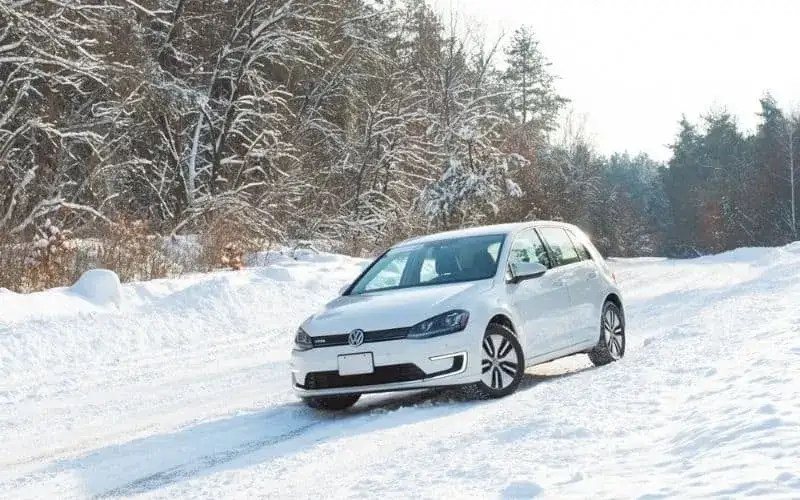
Last week, a 2021 Volkswagen Atlas came in after sliding into a guardrail on Highway 18 during an unexpected mountain snow squall. The owner had driven up to Lake Arrowhead on worn all-season tires with 4/32nds tread remaining, thinking they’d be fine for a quick trip. After losing traction on a downhill curve near Rim of the World, the collision repair and suspension damage cost $3,800. The new all-season tires we’d recommended during their previous service? $720 installed.
If you drive a Volkswagen in San Bernardino, you experience a unique winter driving environment that confuses drivers from other parts of the country. We don’t get traditional winter weather in the valley, but we face hazards that are just as dangerous and far less predictable than consistent snow and ice.
Between November and March, the Inland Empire delivers sudden rainstorms that turn freeways into skating rinks, dense morning fog that reduces visibility to car lengths on the I-10, and mountain routes that transition from dry pavement to snow-packed roads within minutes. These rapid changes catch drivers unprepared, and the consequences show up in collision statistics every winter.
This isn’t about avoiding mountain trips or staying home when it rains. It’s about understanding the specific winter driving risks unique to San Bernardino County and preparing your Volkswagen to handle conditions that can change dramatically between leaving your driveway and reaching your destination. We’ll explain exactly what makes Inland Empire winter driving treacherous, which vehicle systems need attention before winter arrives, and the preparation steps that keep your family safe whether you’re commuting on surface streets or heading to the mountains.
Why the First Rain Creates the Most Dangerous Driving Conditions
Southern California’s dry season leaves months of accumulated oil, rubber particles, and road debris on our highways. When the first significant rain arrives, usually in November or December, this contamination mixes with water to create a slick surface that’s nearly as slippery as ice.
The danger is worst during the first 30 minutes of rainfall, before enough water accumulates to wash away the oil film. Drive the I-215 or I-10 during this period, and you’ll see brake lights flashing everywhere as drivers discover their tires aren’t gripping like they expect. Your Volkswagen’s traction control and stability systems work overtime during these conditions, but they can’t overcome the physics of worn tires on oil-slicked pavement.
We see this pattern repeat every winter at our San Bernardino location. The first major rain brings a wave of vehicles that have slid into curbs, rear-ended other cars, or lost control during lane changes. The common factor is almost always tire tread depth below 5/32nds, which is technically legal but inadequate for wet weather safety.
Your tires need sufficient tread depth to channel water away from the contact patch and maintain grip on wet pavement. When tread depth drops below 5/32nds, water can’t evacuate quickly enough, and a thin layer of water builds between your tire and the road surface. This is hydroplaning, and it happens at lower speeds than most drivers realize.
Understanding Inland Empire Fog Patterns
The San Bernardino Valley experiences radiation fog that forms overnight when temperature and humidity conditions align perfectly. This fog is densest in the early morning hours, exactly when many people are commuting on the I-10, Highway 60, or surface streets throughout the city.
Unlike coastal fog that burns off quickly, valley fog can persist until mid-morning, creating zero-visibility conditions that make driving genuinely dangerous. The fog concentrates in low-lying areas and near the Santa Ana River, meaning visibility can change from clear to near-zero within a quarter mile.
The risk isn’t just reduced visibility. Fog creates moisture on your windshield that overwhelms inadequate wiper blades, and it coats your headlight lenses with a film that reduces their effectiveness. We’ve seen drivers stuck on freeway shoulders because their wipers smeared more than they cleared, and their headlights provided almost no useful illumination through the fog.
Your Volkswagen’s lighting system becomes critical during fog events. Many newer VW models have automatic headlights that activate based on ambient light sensors, but fog can confuse these sensors because it’s not dark, just obscured. You need to understand how to manually activate your fog lights and low beams, because high beams actually reduce visibility in fog by reflecting off the water droplets directly in front of your vehicle.
Mountain Route Weather: From Dry to Dangerous in Minutes
Highway 18 to Lake Arrowhead and Rim of the World, Highway 38 through the San Bernardino Mountains, and even the Cajon Pass on I-15 can transition from clear, dry conditions to snow-covered roads with zero warning during winter months. The elevation gain happens quickly, and weather systems can dump snow on mountain routes while the valley remains sunny and 65 degrees.
A Volkswagen Tiguan owner came to us in January after getting stranded on Highway 18 during an unexpected snow event. She’d checked weather before leaving San Bernardino and saw clear conditions, not realizing that mountain weather changes independently of valley conditions. Without chains or adequate tires, she sat on the roadside for three hours waiting for CalTrans to clear the highway and allow vehicles to descend.
The challenge is that many Inland Empire residents only drive mountain routes occasionally, maybe for a weekend trip or to visit friends in higher elevations. This infrequent exposure means they don’t develop the experience to recognize changing conditions or understand how quickly safe driving becomes impossible.
Your Volkswagen’s all-wheel-drive system, available on Atlas and Tiguan models, helps with traction on snow, but it doesn’t help you stop or steer on ice. AWD gives drivers false confidence that gets them into situations where they’re traveling too fast for conditions because they feel secure accelerating. Then they discover that AWD does nothing to shorten stopping distances on snow-covered downhill grades.
Brake Performance on Wet and Mountain Roads
Your braking system faces completely different demands during Inland Empire winter driving compared to dry summer conditions. Wet pavement reduces the friction between your tires and the road, meaning your brakes must work harder to achieve the same stopping distance.
The problem compounds on mountain descents where continuous braking generates heat that can actually boil your brake fluid if the fluid is old and has absorbed moisture. Modern Volkswagens have ventilated rotors and sophisticated braking systems designed to handle mountain driving, but they still rely on fresh brake fluid with the correct boiling point to function safely.
We see brake fade regularly on vehicles that descend from Lake Arrowhead or Big Bear after winter trips. Drivers ride their brakes continuously instead of using lower gears to control speed, overheating the brake system until it loses effectiveness. This isn’t just uncomfortable, it’s legitimately dangerous when you need maximum braking power to avoid a collision and discover your pedal feels soft and stopping distances have doubled.
Brake fluid service becomes critical before mountain winter trips. Fresh brake fluid has a dry boiling point around 450 degrees Fahrenheit. After two years in your vehicle, moisture absorption can lower that boiling point to 300 degrees or less. Continuous mountain braking can easily exceed 300 degrees, causing the moisture in old brake fluid to boil and create vapor pockets that make your brake pedal feel spongy.
His cost breakdown:
- Tow from Highway 18 after brake failure: $385
- Complete brake fluid flush: $165
- Front brake pad replacement (accelerated wear from overheating): $295
- Rotor resurfacing: $180
- Total cost of “skipping brake service before mountain trip”: $1,025
What he should have done:
- Pre-winter brake fluid service: $89
- Brake inspection catching worn pads early: $0 (included with oil change)
- Understanding proper mountain driving technique: Free
- Smart total: $89
His actual loss from postponing maintenance: $936, plus the stress and danger of experiencing brake fade while descending a mountain road with his family in the vehicle.
Your Volkswagen’s Winter Preparation Checklist
Different systems on your VW require attention before Inland Empire winter conditions arrive. These aren’t the same preparation steps drivers in snowy climates follow, they’re specific to the rain, fog, and occasional mountain snow we experience in Southern California.
Tire inspection and potential replacement top your priority list. Measure your tread depth at multiple points across each tire. Anything below 5/32nds means you’re compromised for wet weather driving, regardless of how well your tires perform on dry pavement. The penny test works in a pinch: insert a penny into your tread with Lincoln’s head upside down, and if you can see the top of his head, you’re below 2/32nds and legally need new tires. For wet weather safety, replace tires when you can see Lincoln’s forehead, which indicates approximately 4/32nds remaining.
All-season tires are designed for exactly this climate, mild winters with rain and occasional snow if you drive mountain routes. Summer performance tires, which many VW GTI and GLI owners prefer, provide amazing grip on dry pavement but become dangerous in rain and useless in snow. If you’ve upgraded to summer tires, consider switching back to all-seasons before winter arrives.
Wiper blade replacement seems minor until you’re driving through heavy rain on the I-10 and realize your wipers are smearing instead of clearing. Wiper blades deteriorate in our intense summer sun, becoming hard and inflexible. When rain finally arrives, they streak, chatter, and fail to provide clear visibility. Replace both front wipers and your rear wiper before winter, and consider upgrading to beam-style blades that perform better in rain than traditional frame-style wipers.
Your windshield washer system needs winter attention even in Southern California. Check that your washer fluid reservoir is full, verify that all spray nozzles are working, and consider using a bug-removal formula that cuts through the road film that accumulates during fog. A functioning washer system isn’t optional during winter when you need clear visibility.
Battery testing becomes important before winter because cold morning temperatures, while mild compared to northern states, still stress your battery more than summer heat already has. A battery that cranks slowly on a 45-degree December morning is warning you of impending failure. Testing takes five minutes and prevents being stranded in a parking lot when your VW won’t start.
“The most common mistake we see is Inland Empire drivers treating winter prep like it’s unnecessary because we don’t get snow in the valley,” says David Chen, Service Manager at our Camino Real location. “Then they drive to Big Bear on worn tires, or they’re stuck in fog on the 10 with wipers that don’t work, or they lose control during the first rain. Winter preparation looks different here than it does in Colorado, but it’s just as important for your safety.”
Recognizing Dangerous Conditions Before They Become Emergencies
One of the most valuable skills for Inland Empire winter driving is recognizing when conditions have shifted from safe to hazardous. The transition happens faster here than in climates where winter weather is constant and predictable.
Watch for sudden temperature drops when driving toward mountain areas. Your VW’s outside temperature display provides early warning that you’re entering conditions where rain might become snow. When that display drops from 60 to 45 degrees within a few miles, you’re climbing into elevation where precipitation changes character. Below 40 degrees, assume that wet roads could have icy patches in shaded areas.
Pay attention to how your vehicle responds during the first rain of the season. If your traction control light flashes during normal acceleration or lane changes, your tires aren’t providing adequate grip. This is your vehicle’s computer warning you that conditions are more slippery than your driving inputs account for. Slow down and increase following distance immediately.
Fog density that makes it difficult to see tail lights of vehicles two car lengths ahead means you’re driving too fast for conditions, regardless of the posted speed limit. Dense fog demands speeds of 25-35 mph on freeways, even though this feels uncomfortably slow. The alternative is rear-ending a stopped vehicle you never saw until impact.
Your Volkswagen provides multiple feedback signals when grip is marginal. Steering that feels lighter or less responsive, unusual tire noise that changes pitch, and brake pedal feel that seems different all indicate reduced traction. Pay attention to these signals rather than dismissing them as imagination. 🌧️
Emergency Equipment for Mountain Winter Driving
If you drive mountain routes during winter, your Volkswagen needs specific emergency equipment that sits unused most of the year but becomes invaluable when conditions deteriorate unexpectedly.
Tire chains or cables are legally required on mountain routes when CalTrans posts chain control restrictions. Waiting until you encounter a chain checkpoint to discover you don’t have chains means turning around or getting cited. Keep a set in your vehicle from November through March, and practice installing them in your driveway before you’re kneeling in snow on a mountain roadside trying to figure out how they work.
A proper emergency kit includes items specific to our winter conditions: a high-quality ice scraper for unexpected mountain frost, a small shovel for snow, extra windshield washer fluid, a flashlight with fresh batteries, and a phone charger that works from your 12V outlet. These items take up minimal space but provide significant peace of mind.
Blankets, water, and non-perishable snacks seem excessive until you’re stuck on Highway 18 for three hours during a snow closure. Mountain weather creates situations where highway patrol closes roads until conditions improve, and you wait in your vehicle with dozens of other drivers who also thought a quick mountain trip wouldn’t require emergency preparation.
Your 30-Day Winter Preparation Plan
This week: Check your tire tread depth using the penny test at multiple points on each tire. If any measurement shows Lincoln’s head visible, start shopping for new tires before winter rain arrives. Also inspect your wiper blades by running them on a wet windshield and watching for streaking, skipping, or chattering. If they’re not clearing cleanly, replace them now rather than waiting for the first rainstorm to discover they’re inadequate. These checks take less than 10 minutes and identify the two most common equipment failures that create dangerous winter driving situations.
Within two weeks: Schedule a pre-winter inspection with our service department if your Volkswagen hasn’t been professionally evaluated in the past six months. This inspection should include measuring brake pad thickness, testing brake fluid condition, checking battery health, verifying that all lights function properly including fog lights, and examining suspension components that affect handling in wet conditions. Request that the technician specifically assess your vehicle’s winter readiness, not just its general mechanical condition. Winter driving demands that every safety system functions at 100%, and this inspection identifies any weak points before weather tests them.
By month’s end: If you drive mountain routes during winter, assemble your emergency kit and verify you have appropriate tire chains for your specific VW model. Different Volkswagen models require different chain sizes and types, and buying chains that don’t fit when you’re already on the mountain helps nobody. Also verify your vehicle insurance includes towing coverage, because mountain tows can cost $300 to $500 or more depending on location and conditions. Finally, check your windshield washer fluid level and top it off, then test that all spray nozzles are working properly. These final preparations take minimal time but ensure you’re ready when the first winter storm arrives.
Common Winter Driving Mistakes in the Inland Empire
The most dangerous mistake we see is driving mountain routes in winter without checking current conditions and forecasts. Many Inland Empire residents check weather for San Bernardino and assume mountain areas share the same conditions. Highway 18, Highway 38, and even the Cajon Pass operate in completely different weather systems that can deliver snow while the valley enjoys sunshine.
CalTrans provides real-time road condition information through their QuickMap website and app. Checking these resources before driving mountain routes takes 30 seconds and provides accurate information about current conditions, chain requirements, and road closures. Failing to check these resources means you might drive 45 minutes toward Lake Arrowhead only to discover the highway is closed due to snow.
Another common error is following too closely during rain and fog. The recommended three-second following distance for dry conditions becomes six to eight seconds in rain and even longer in fog. Inland Empire drivers accustomed to year-round dry pavement often maintain summer following distances during winter weather, eliminating their ability to stop safely if the vehicle ahead brakes suddenly.
Overconfidence in all-wheel-drive systems creates serious problems every winter. A Volkswagen Atlas owner came to us after sliding off Highway 38 during a winter trip to Big Bear. He’d been driving 50 mph on snow-covered roads because his AWD system made acceleration feel secure. When he needed to brake for slower traffic ahead, his Atlas continued straight despite maximum braking effort, sliding off the road into a snowbank. The tow and body work cost $2,100, and he was fortunate the off-road excursion didn’t cause more serious damage or injury.
His cost breakdown:
- Mountain tow service: $420
- Front bumper cover replacement: $890
- Headlight assembly replacement: $540
- Paint and refinishing: $250
- Total cost of “overconfidence in AWD”: $2,100
What he should have done:
- Reduced speed to 25-30 mph for snow conditions: Free
- Increased following distance to account for longer stopping distance: Free
- Understood AWD limitations on ice and snow: Free
- Smart total: $0
His expensive lesson came from misunderstanding what AWD actually does. It helps you accelerate on slippery surfaces, but it provides zero benefit for braking or steering. Every vehicle, regardless of drive configuration, relies on four small tire contact patches for stopping and turning, and those contact patches perform identically whether you have AWD, FWD, or RWD.
Schedule Your Pre-Winter Inspection Today
Remember that Atlas owner from the beginning? After the collision repair, she invested in proper all-season tires with deep tread and completed a winter driving course to understand vehicle dynamics in low-traction conditions. This past winter, she made multiple mountain trips without incident because her vehicle was properly prepared and she adjusted her driving to match conditions.
The difference between a safe winter and a collision comes down to understanding Inland Empire weather patterns, preparing your Volkswagen for rain and potential mountain snow, and recognizing when conditions demand slower speeds and increased caution. Winter in Southern California isn’t consistent or predictable, which makes preparation even more important than in climates where you know what to expect every day.
Our certified Volkswagen technicians at 1600 Camino Real in San Bernardino understand the specific winter challenges Inland Empire drivers face. We know which vehicle systems matter most for wet weather safety, how to prepare your VW for mountain driving, and what equipment you need to handle the rapid weather changes common throughout San Bernardino County.
Schedule your pre-winter inspection today by visiting our service department or booking online through our website. We’ll evaluate your tires, brakes, lights, wipers, and battery to ensure your Volkswagen is ready for whatever winter weather arrives, from valley fog to mountain snow.
Proper winter preparation protects your family during rain and fog, prevents expensive collision damage from inadequate traction, and gives you the confidence to handle the diverse winter conditions the Inland Empire delivers. That’s the security professional service provides.
0 comment(s) so far on Rain, Fog, and Mountain Snow: Winter Driving Risks in the Inland Empire