




Protecting Your Volkswagen Paint from Winter Road Debris and Rain
Last month, a 2022 Volkswagen Atlas came into our service center after the owner had driven through three consecutive winter storm cycles without washing the vehicle. The muddy water and road grime had been sitting on the paint for nearly six weeks, and when we finally cleaned it, we discovered the clear coat had developed etching in multiple locations where contaminants had bonded to the surface. The paint correction required professional compounding and polishing to restore the finish. The detailing work cost $680. Regular washing throughout the rainy season using supplies from any auto parts store? About $30 total for the entire winter.
That Atlas owner made a mistake common throughout the Inland Empire: assuming that winter rain would naturally clean their vehicle, eliminating the need for regular washing. The reality is exactly the opposite. San Bernardino’s winter storms don’t just deposit clean water on your Volkswagen’s paint. They bring dust, pollution, road oils, and debris that bonds to painted surfaces and causes damage that ranges from cosmetic degradation to permanent clear coat failure.
Our location at the base of the San Bernardino Mountains creates unique challenges during winter months. Storms push in from the Pacific, picking up urban pollution as they cross Los Angeles and Orange County before dumping that contaminated precipitation across our region. The moisture mixes with desert dust blown in from the high desert, road oils that accumulate during our long dry season, and debris from thousands of vehicles traveling I-10, I-215, and Route 66.
This guide explains exactly how winter weather damages your Volkswagen’s paint, what protection strategies actually work, and how relatively simple maintenance preserves both your vehicle’s appearance and resale value through Southern California’s rainy season.
Why San Bernardino Winter Weather Is Harder on Paint Than You Think
Southern California enjoys a reputation for perfect weather, and compared to snow belt states, our winters are undeniably mild. But mild doesn’t mean harmless, especially for automotive paint. The specific combination of conditions we experience creates challenges that pure snow or pure sunshine don’t.
Our typical weather pattern includes months of complete dryness from May through October, during which road oils, brake dust, tire particles, and industrial pollution accumulate on road surfaces. When winter storms finally arrive in November or December, that first significant rainfall mobilizes all the accumulated contamination simultaneously, creating a concentrated mixture of corrosive and abrasive materials that coats every vehicle on the road.
The rain itself isn’t pure. It contains dissolved pollutants from industrial facilities, vehicle emissions, and dust particles suspended in the atmosphere. When this contaminated rain hits your Volkswagen’s paint, it doesn’t simply run off. It sits on horizontal surfaces like your hood, roof, and trunk, slowly evaporating and leaving concentrated deposits of whatever contaminants were dissolved in the water.
A Jetta owner from Highland experienced this dramatically last January. She’d parked her vehicle outside during a three-day storm system that brought intermittent rain. Between rain events, partial sunshine would appear for a few hours, causing water to evaporate from her hood and roof. By the time the storm system passed, her black paint had visible water spots covering every horizontal surface. Those spots weren’t just cosmetic, they’d actually etched into the clear coat through a chemical process where minerals in the rainwater bonded to the paint surface.
The Desert Dust Factor
San Bernardino sits at the intersection of coastal and desert climates. When Santa Ana winds blow in from the Mojave Desert during winter months, they carry fine dust particles that settle on every surface. This dust is primarily silica, essentially microscopic glass particles that are extremely abrasive.
When rain mixes with desert dust on your Volkswagen’s paint, it creates a gritty slurry. If you wash your vehicle in this condition without proper technique, you’re essentially sanding your paint with the abrasive particles, creating swirl marks and scratches that dull the finish. Even worse, if you use your wipers to clear dust-covered windshields during light rain, you’re grinding those glass particles across the glass surface, causing permanent scratching.
The solution isn’t avoiding washing during dusty conditions. It’s using correct washing techniques that remove abrasive particles safely before they can damage paint. This means thorough rinsing before any contact washing, using plenty of water to flush contaminants away rather than grinding them into the paint surface.
How Road Debris Accelerates During Winter Storms
Highway driving during and immediately after winter storms subjects your Volkswagen to conditions far more abrasive than normal driving. The accumulated debris on road surfaces gets kicked up by tire spray from vehicles ahead, creating a constant bombardment of your vehicle’s front end, lower panels, and wheel wells.
Interstate 10 through San Bernardino sees particularly heavy truck traffic carrying goods between the ports and distribution centers throughout the Inland Empire. These trucks shed tire rubber, kick up rocks and debris, and leak various fluids that contaminate road surfaces. During winter storms, all this material becomes airborne spray that impacts following vehicles.
The leading edges of your Volkswagen take the worst abuse. The front bumper, hood, side mirrors, and lower door panels face constant impacts from debris traveling at highway speeds. Each impact can chip paint, crack clear coat, or create microscopic damage that becomes an entry point for corrosion.
Rock chips seem minor when they first occur, just small paint-deep dings that barely show unless you look closely. But each chip exposes bare metal or primer that’s vulnerable to corrosion. In San Bernardino’s climate, corrosion develops slowly compared to salt-belt states, but it still occurs over time as moisture penetrates through the damaged paint.
“I see vehicles come through our service center with dozens of small rock chips on the hood and front bumper after just one winter season of highway driving,” says Maria Hernandez, Service Advisor at our Camino Real location. “Customers often don’t notice them until they accumulate enough to become obvious. By then, addressing all the chips becomes expensive. Paint protection film on the front end prevents this damage completely, but most owners don’t think about protection until after damage has occurred.”
A Tiguan owner who commutes daily on I-10 from Redlands to downtown counted 23 rock chips on his hood after his first winter season without paint protection. The following summer, he had paint protection film installed on the hood, front bumper, and side mirrors. After a second winter season with protection in place, he’d accumulated zero additional chips on protected areas. The film took all the impacts that would have damaged his paint, and when he traded the vehicle three years later, the protected areas still looked showroom-new while unprotected areas showed typical wear.
The Chemistry of Water Spot Etching
Water spots form when mineral-laden water evaporates from your paint surface, leaving behind concentrated deposits of calcium, magnesium, and other dissolved minerals. Southern California water is notoriously hard, meaning it contains high concentrations of these minerals. When rain falls, it’s relatively pure, but as it flows across your vehicle’s surface, it picks up dust, pollution, and other contaminants that add to the mineral content.
The real damage happens during evaporation. As water sits on your paint and slowly evaporates, the mineral concentration increases. When the last bit of water finally evaporates, it leaves behind a mineral deposit bonded to the paint surface. If this happens repeatedly in the same location, the mineral deposits build up and actually begin etching into the clear coat through a chemical bonding process.
Horizontal surfaces suffer the most because water pools on them rather than running off. Your hood, roof, and trunk are particularly vulnerable. Dark-colored paint shows water spots more obviously than light colors, but the damage occurs regardless of color. On black or dark blue Volkswagens, water spots become visible after just a few rain cycles without proper washing.
The temperature cycling we experience in San Bernardino accelerates this process. Daytime temperatures during winter often reach 65-75 degrees even after morning rain, causing rapid evaporation that concentrates minerals quickly. This is actually worse for paint than slower evaporation in cooler climates because the faster the water evaporates, the more concentrated the mineral deposits become.
Remove water spots promptly before they etch into clear coat. Fresh water spots come off easily with regular car wash soap and water. Spots that have been sitting for several weeks require specialized water spot removers or mild acid-based cleaners. Spots that have etched into the clear coat may require professional paint correction with polishing compounds to remove, and severe etching can necessitate clear coat reapplication.
His cost breakdown:
- Three months of neglecting wash routine: $0
- Professional paint correction for etched water spots: $680
- Clear coat damage reducing resale value: ~$800
- Total cost of neglect: $1,480
What he should have done:
- Weekly washing during rainy season: $30 in supplies
- Spray wax after washing for protection: $15
- Smart total: $45 (saved $1,435 and maintained perfect paint)
Effective Paint Protection Strategies That Actually Work
Protecting your Volkswagen’s paint requires a layered approach combining preventive products, correct maintenance techniques, and prompt damage correction. No single solution provides complete protection, but combining multiple strategies creates comprehensive defense against winter weather damage.
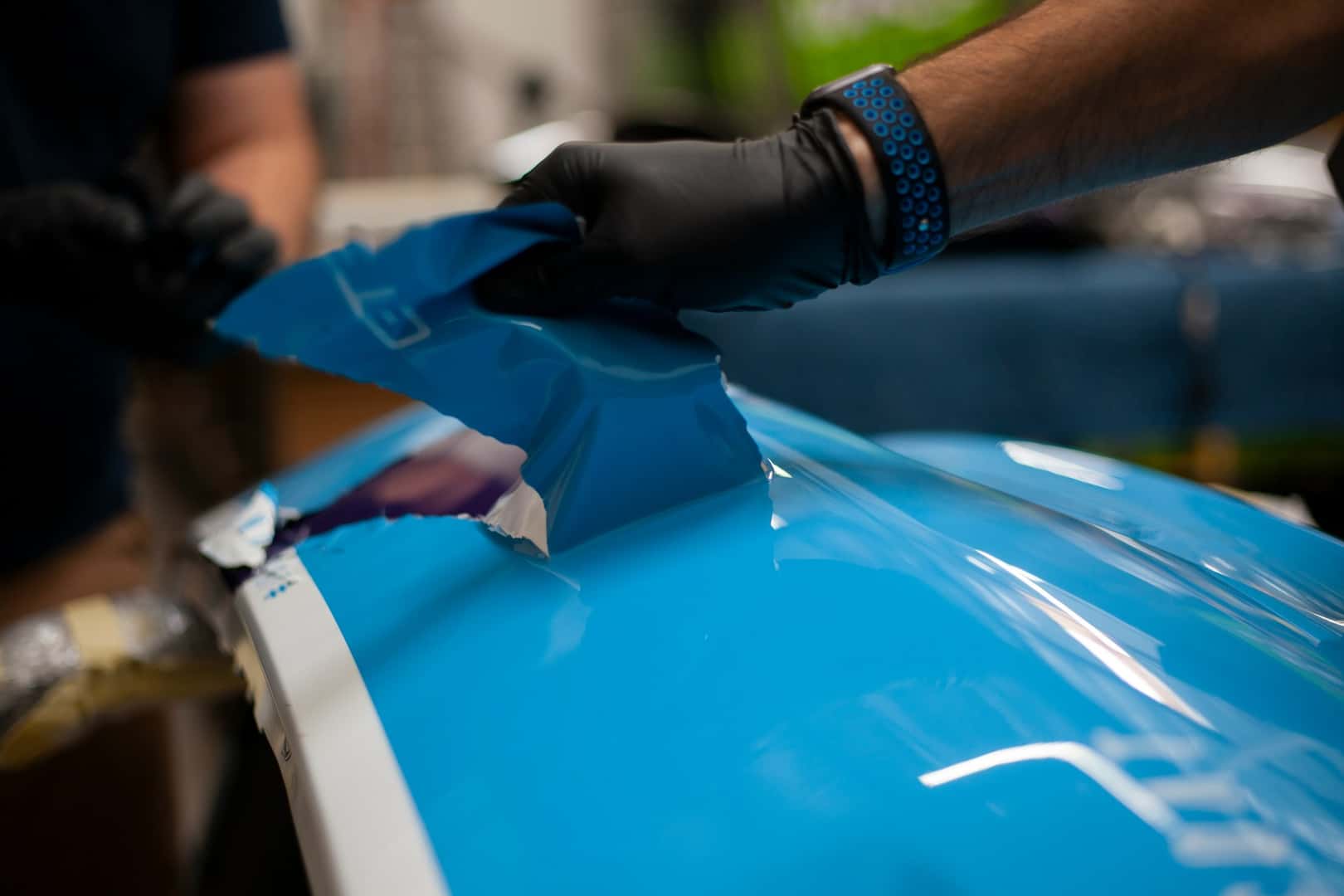
Paint protection film (PPF) represents the most effective physical barrier against rock chips and debris impacts. This clear urethane film is applied to vulnerable areas like the front bumper, hood, fenders, side mirrors, and door edges. Quality PPF is nearly invisible once installed and provides exceptional protection against impacts that would otherwise chip paint.
PPF installation for front-end coverage typically costs $800-1,500 depending on your Volkswagen model and the extent of coverage. This seems expensive until you consider that repainting a hood costs $600-900 and a front bumper runs $400-700. A single avoided repaint pays for the PPF investment, and the film protects for 5-7 years before needing replacement.
Ceramic coating provides chemical protection rather than physical barrier protection. This liquid polymer bonds to paint at the molecular level, creating a hydrophobic surface that repels water, prevents contaminant bonding, and makes washing substantially easier. Quality ceramic coatings last 2-5 years depending on the product and maintenance.
Ceramic coating doesn’t prevent rock chips, but it does prevent water spot etching, makes dirt and grime easier to remove, and provides UV protection that prevents paint fading. Professional ceramic coating application costs $500-1,200 depending on the product and preparation required. DIY ceramic coating products are available for $50-100 but require careful application technique to achieve good results.
Traditional wax or synthetic sealant provides basic protection at minimal cost. These products create a sacrificial barrier layer that takes damage instead of your paint. They don’t last as long as ceramic coatings, typically needing reapplication every 2-3 months, but they’re inexpensive and easy to apply yourself.
A quality spray wax costs $12-20 per bottle and takes 15 minutes to apply to your entire vehicle. Use it after every wash during rainy season to maintain a protective barrier. The wax layer helps water sheet off painted surfaces rather than beading up and sitting in place where it can cause spots.
The Correct Way to Wash Your Volkswagen During Rainy Season
Washing technique matters as much as washing frequency during winter months. Improper washing can cause more damage than it prevents if you’re grinding abrasive particles into paint rather than safely removing them.
Start every wash with thorough rinsing using a hose or pressure washer. The goal is removing loose dirt, dust, and debris before any physical contact with painted surfaces. Spray from top to bottom, allowing gravity to carry contamination downward and off the vehicle. Pay particular attention to wheel wells, rocker panels, and the rear bumper area where road spray accumulates heavily.
Use the two-bucket method for contact washing. Fill one bucket with car wash soap solution and a second bucket with clean rinse water. Wash one panel at a time using a soft wash mitt, then rinse the mitt in the clean water bucket before reloading with soap. This prevents contamination from one panel being transferred to other panels, which reduces scratching and swirling.
Never wash in direct sunlight or on a hot surface. Heat causes soap and water to dry too quickly, leaving residue and potentially causing water spots. Wash in shade or during cooler morning hours. If your paint feels warm to the touch, spray it with cool water first to reduce surface temperature.
Dry your Volkswagen thoroughly after washing using microfiber drying towels or a dedicated car dryer blower. Allowing the vehicle to air dry guarantees water spots as minerals concentrate during evaporation. Proper drying removes water before evaporation can occur, preventing spot formation completely.
A Passat owner from San Bernardino learned proper washing technique after noticing his silver paint developing a hazy, dull appearance after a year of ownership. He’d been washing regularly but using a single bucket and washing in direct afternoon sun. The combination of grinding contamination into the paint and allowing soap to dry on the surface had dulled his clear coat significantly. After we explained correct technique and he started following it, his paint condition stabilized and even improved as the haze gradually cleaned away over subsequent washes.
Special Attention Areas That Need Extra Care
Certain areas of your Volkswagen require focused attention during winter maintenance because they’re particularly vulnerable to damage or are commonly overlooked.
Wheel wells and rocker panels accumulate tremendous amounts of road grime, mud, and debris during wet weather. This contamination traps moisture against painted and unpainted surfaces, creating conditions for corrosion. Spray wheel wells thoroughly during washing, using a brush to dislodge packed material if necessary. Most automatic car washes don’t adequately clean these areas, making manual attention necessary.
Door jambs and trunk/hatch openings collect water and debris but are often missed during washing. Open doors, hood, and trunk, then wipe these areas down with a damp microfiber towel. Pay attention to weather stripping, which can trap dirt and deteriorate if not cleaned periodically.
Behind side mirrors and under door handles are areas where water pools and evaporates slowly, creating concentrated water spot risk. These recessed areas need specific attention during drying to remove standing water before spots can form.
The rear bumper and trunk area catch road spray from your rear tires and accumulate particularly heavy contamination. This area often shows the most severe water spotting and grime buildup if washing isn’t thorough.
Convertible top seams and window seals (if you have a convertible Beetle or Eos) require careful cleaning to prevent deterioration and leaking. Use dedicated convertible top cleaner rather than standard car wash soap, and avoid high-pressure spray directly on seams.
When Professional Detailing Makes Sense
Most paint maintenance can be handled with DIY washing and protection, but professional detailing services provide value in specific situations that justify the cost.
Paint correction addresses damage that’s already occurred: swirl marks, light scratches, water spot etching, and oxidation. Professional detailers use multi-stage polishing processes that remove microscopic layers of clear coat to eliminate surface imperfections. This process restores gloss and clarity to paint that’s been dulled by improper care or environmental damage.
Paint correction typically costs $300-800 depending on the extent of correction needed and your vehicle’s size. This service makes sense if your paint has visible swirls, haziness, or etching that affects appearance. Think of it as resetting your paint to like-new condition, after which proper maintenance maintains that condition.
Ceramic coating application by professionals ensures correct surface preparation and proper product application. DIY ceramic coating can work well, but mistakes during application can create high spots, streaking, or uneven coverage that’s difficult to correct. Professional application includes full paint decontamination, sometimes including paint correction, before coating is applied.
Full interior and exterior detailing before selling your vehicle can return several times its cost in increased resale value. Clean, well-maintained vehicles sell faster and command premium prices compared to neglected vehicles. A $200-300 professional detail before listing your Volkswagen for sale can easily increase sale price by $500-1,000.
An Atlas owner from Loma Linda had his vehicle professionally detailed every spring throughout his four-year ownership. When he traded it for a newer model, the dealer offered him $1,400 more than book value because the vehicle’s condition was exceptional. The total he’d spent on professional detailing over four years was $1,100, meaning he came out $300 ahead purely from the enhanced trade-in value, not counting the enjoyment of driving a vehicle that always looked great.
Warning Signs Your Paint Needs Immediate Attention
Watch for these indicators that your Volkswagen’s paint has developed damage requiring prompt correction:
Visible water spots that don’t wash away with normal car wash soap indicate mineral deposits have bonded to the clear coat. These need specialized water spot remover or professional attention before they etch permanently into the paint.
Dull or hazy appearance in the clear coat, particularly on horizontal surfaces, shows oxidation or contamination buildup that regular washing isn’t removing. Clay bar treatment followed by polish can restore clarity before damage becomes permanent.
Swirl marks visible in direct sunlight indicate scratching in the clear coat from improper washing technique or automated car wash brushes. Light swirls can be polished out, but prevention through proper technique is far better than correction.
Paint that feels rough or gritty even after washing has bonded contaminants that washing alone won’t remove. Clay bar treatment pulls these contaminants out of the paint, restoring smooth finish.
Rock chips on the hood, bumper, or leading edges expose primer or bare metal vulnerable to corrosion. Touch up paint or professional chip repair prevents rust from developing in damaged areas.
Fading or discoloration, particularly on red, black, or dark blue paint, indicates UV damage to the paint pigments or clear coat. Polishing can sometimes improve appearance, but severe fading may require repainting.
Areas where clear coat is peeling or flaking show complete failure of the paint system requiring professional repainting to correct. This typically occurs after years of neglect but can develop faster if damage isn’t addressed promptly.
If you notice any of these warning signs, address them within a month. Paint damage doesn’t heal itself, it only worsens with time and exposure.
Your 30-Day Paint Protection Action Plan
This week: Establish a washing schedule that includes at minimum one thorough wash every two weeks during rainy season, with additional washes after significant storms or dusty conditions. Purchase quality car wash supplies including pH-neutral car wash soap, microfiber wash mitts, microfiber drying towels, and spray wax. Inspect your Volkswagen’s paint carefully in good lighting, looking for existing water spots, rock chips, or other damage that needs correction. Take photos of any damage so you can track whether it’s worsening over time.
Within two weeks: Complete your first proper wash using correct two-bucket technique and thorough drying. Apply spray wax or sealant immediately after drying to establish a protective barrier. Address any minor rock chips you discovered during inspection using touch-up paint matched to your vehicle’s color code. Research paint protection film and ceramic coating options if you’re interested in long-term protection, getting quotes from reputable installers in the San Bernardino area. Clean your garage or carport if you have covered parking, and commit to using it for overnight parking to reduce direct rain exposure.
By month’s end: Consider whether professional detailing or paint correction makes sense for your vehicle’s current condition. If you’ve discovered damage like water spot etching or heavy swirl marks, schedule correction before it worsens. Establish reminders on your phone for regular washing intervals throughout rainy season so maintenance becomes routine rather than reactive. Add paint inspection to your weekly routine, checking specifically for new rock chips or water spots that need prompt attention. These three steps take less than four hours initially and about 30 minutes weekly ongoing, but they preserve your Volkswagen’s appearance and value throughout many years of ownership.
Southern California’s reputation for great weather doesn’t mean our vehicles escape environmental damage. The specific combination of winter storms, desert dust, road debris, and urban pollution creates conditions that damage paint steadily unless you implement active protection strategies.
Schedule Your Paint Protection Consultation Today
Remember that Atlas owner whose three months of washing neglect resulted in $680 of paint correction work? He now washes his vehicle religiously every ten days during rainy season and applies spray wax after every wash. He’s driven through two subsequent winters without developing additional water spot etching, and his paint looks as good as the day we corrected it.
The lesson is simple: consistent, basic maintenance prevents expensive correction work and preserves your vehicle’s value. Your Volkswagen’s paint is one of the most visible aspects of the vehicle and one of the primary factors affecting resale value. Maintaining it properly isn’t vanity, it’s smart ownership that pays dividends when you eventually sell or trade.
Our certified Volkswagen service center offers paint protection film installation, ceramic coating application, and professional detailing services performed by technicians who understand how Southern California conditions affect your vehicle. We also stock quality car care products including pH-neutral wash soap, microfiber towels, clay bar kits, and paint protection sprays designed specifically for modern automotive finishes.
Schedule your paint protection consultation today by calling our service department or booking online. We’re located at 1600 Camino Real in San Bernardino, easily accessible from I-10, I-215, and Route 66. Whether you want full paint protection film installation or simply need advice on the best DIY care routine for your specific Volkswagen, our team is here to help.
Proper paint protection prevents damage, preserves your investment, and ensures your Volkswagen maintains its appearance throughout years of Southern California driving. That’s the value proper care delivers.
0 comment(s) so far on Protecting Your Volkswagen Paint from Winter Road Debris and Rain