




Jetta GLI Performance: Maintaining the new 8-speaker premium audio and tech upgrades in your 2026 sport sedan
Last month, a 2026 Jetta GLI came in from Redlands after its owner had noticed intermittent dropouts in the rear speaker output and an infotainment screen that had begun exhibiting occasional touch response delays during his commute on the 10 freeway. He had dismissed both issues as software quirks and hadn’t scheduled a diagnostic appointment for three months, assuming a system update would resolve everything on its own. When our technician inspected the vehicle, the cabin air filter was completely saturated with Inland Empire particulate, causing the HVAC system to recirculate heated air across the amplifier module mounted behind the rear seat, and a software update that had failed to complete correctly was creating the touch response degradation. The cabin filter replacement and software update completion that would have resolved both issues at the three-month mark? $140. The amplifier thermal inspection, software diagnostic, filter replacement, and update re-flash required after three months of thermal stress on the amplifier module? $620.
That $480 gap between a straightforward maintenance response and a corrective one is the version of a tech system story we hear most consistently at Volkswagen San Bernardino with first-year GLI owners who treat the vehicle’s technology systems as software-only concerns rather than hardware-and-software systems that have physical maintenance requirements. The 2026 Jetta GLI’s premium audio and technology package is genuinely impressive for the segment. It’s also housed in a vehicle that operates in one of the most thermally and environmentally demanding markets in California, and understanding what the Inland Empire does to electronics-intensive systems is the starting point for keeping those systems performing at delivery-day standard across the full ownership period.
The 2026 Jetta GLI represents a meaningful technology step forward from the previous generation, with the 8-speaker premium audio system, the updated MIB3 infotainment platform, the expanded driver assistance suite, and the digital cockpit instrumentation creating a technology density that earlier GLI generations didn’t carry. Each of those systems has physical components with physical maintenance requirements, and the combination of San Bernardino’s heat, the Inland Empire’s particulate environment, and the stop-and-go thermal cycling of the 10, 215, and 60 freeway commute creates conditions that affect those components in specific ways worth understanding before a warranty conversation replaces a maintenance one.
What’s New in the 2026 Jetta GLI’s Technology Package
The 2026 GLI’s technology upgrades build on the previous generation’s foundation with several additions that change both the ownership experience and the service picture for Inland Empire drivers.
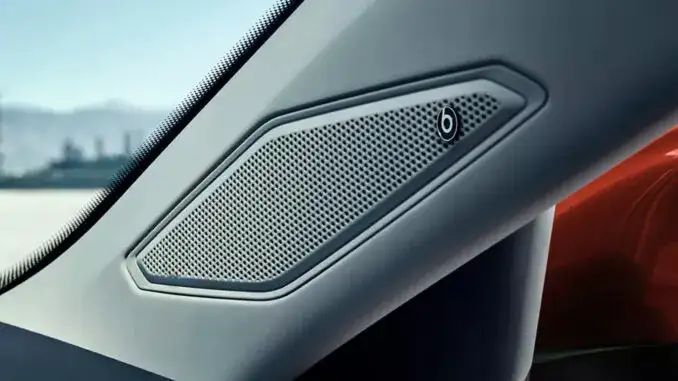
The 8-speaker premium audio system uses a dedicated amplifier module to drive the speaker array, a design change from the previous generation’s passive system that delivers measurably better output quality across the frequency range but introduces an active electronic component that generates heat during operation and requires clean, temperate air circulation to maintain its designed operating temperature. The amplifier module is mounted in the rear of the cabin, a location that makes it directly dependent on the HVAC system’s ability to maintain cabin temperature and air circulation quality.
The MIB3 infotainment platform brings a faster processor, improved wireless connectivity, and a larger display surface compared to the previous MIB2 system. The processing speed improvement is genuine and noticeable in day-to-day use, but faster processing also means more heat generation from the infotainment module during extended operation. The display’s larger surface area increases its exposure to the solar loading that a Jetta parked in San Bernardino sun experiences through a typical workday, and sustained high display temperatures affect touch digitizer calibration in ways that show up as the response delays the Redlands GLI owner experienced.
The expanded driver assistance suite, including the updated front camera system, the revised radar sensor integration, and the lane assist and adaptive cruise implementations, adds sensor hardware that has its own calibration and cleanliness requirements specific to the Inland Empire’s dust and solar environment. 🔧
The Digital Cockpit and Its California-Specific Considerations
The 2026 GLI’s digital cockpit display replaces the previous generation’s analog instrument cluster with a fully configurable digital screen that the driver customizes through the vehicle’s system menus. The digital display is a more complex component than the analog cluster it replaces, and it operates in an environment, the top of the dashboard directly below the windshield, that receives more direct solar radiation than any other interior surface.
In San Bernardino, where summer sun angles and intensity produce dashboard surface temperatures that can exceed 160 degrees Fahrenheit on a July afternoon, the digital cockpit display is subject to thermal stress that its operating specification is designed to handle but that accelerates display aging and pixel stability degradation at a rate that moderate-climate markets don’t experience comparably. Tinted window film on the windshield and front glass, applied to California’s legal tint limits, meaningfully reduces the solar loading on the digital cockpit display and the infotainment screen during the high-sun months when Inland Empire temperatures peak.
How the Inland Empire Environment Affects GLI Technology Systems
The San Bernardino area creates a specific set of environmental conditions for electronics-intensive vehicle systems that differ from what a GLI owner in a cooler, less particulate-heavy market experiences across an ownership year.
Heat is the primary stressor on every electronic component in the 2026 GLI’s technology package. Electronic components age according to an accelerated thermal degradation model where sustained operation at elevated temperatures reduces component service life at a rate that compounds with every degree above the component’s designed operating range. For the GLI’s amplifier module, infotainment processor, and digital cockpit electronics, the combination of Inland Empire summer ambient temperatures and the vehicle’s interior temperatures during workday parking creates a thermal exposure profile that is among the more demanding in any California market.
The practical consequence is that the maintenance habits and service items that keep the cabin temperature managed, specifically the cabin air filter that enables HVAC system efficiency and the software updates that optimize system thermal management algorithms, have a direct relationship to technology system longevity that most GLI owners don’t initially connect.
Particulate and the Infotainment Ventilation System
The MIB3 infotainment module in the 2026 GLI uses passive cabin air circulation for its thermal management rather than a dedicated cooling system. The module relies on the HVAC system maintaining cabin air quality and temperature within parameters that allow passive heat dissipation from the module’s heat sink surfaces. When cabin air quality is degraded by a blocked cabin filter or elevated with Inland Empire particulate, the passive thermal management of the infotainment module operates less effectively.
The fine particulate characteristic of San Bernardino air quality, the combination of diesel exhaust from the I-10 logistics corridor, agricultural dust from the areas east of Ontario, and Santa Ana wind-borne mineral particulate, is particularly effective at infiltrating the passive ventilation paths that electronics modules use for thermal management. A thin layer of particulate on a heat sink surface insulates it in the same way a thin layer of paint would, reducing its ability to dissipate heat into the surrounding air. This accumulation is invisible and produces no immediate symptom, but it contributes to elevated operating temperatures across the technology systems over the vehicle’s first several years of Inland Empire use.
A GLI owner from Fontana came in last summer after his infotainment system had begun rebooting spontaneously during extended drives on the 210. The reboots correlated with ambient temperature above 95 degrees and drives exceeding 45 minutes. Inspection found the cabin filter completely blocked, the infotainment module showing thermal throttling in its diagnostic log, and a software version that predated a thermal management optimization update VW had released three months earlier. The complete service, filter replacement, software update, and thermal diagnostic, ran $280. A spontaneous reboot pattern left through another San Bernardino summer without addressing the thermal root cause would have progressed to infotainment module replacement at $1,100 to $1,400.
The 8-Speaker System: What Premium Audio Maintenance Looks Like
The Dynaudio-derived 8-speaker premium audio system in the 2026 GLI is one of the more capable audio systems available in the compact sport sedan segment, and it’s housed in door panels, rear deck locations, and a dedicated subwoofer position that expose the speakers to the specific stresses of San Bernardino driving.
Speaker components have physical vulnerabilities that the Inland Empire’s conditions affect in specific ways. The door-mounted speakers in the front and rear positions are directly exposed to the thermal cycling of door panels that absorb significant solar heat in San Bernardino’s intense sun. Door panel temperatures on a California summer afternoon can reach levels that stress the adhesive compounds used in speaker surround attachment, gradually affecting surround integrity over multiple seasons of high-temperature exposure.
The subwoofer enclosure’s performance depends on its sealed mounting integrity against the rear deck surface. Road vibration on the rough sections of the 215 and the expansion joint transitions on the I-10 can gradually loosen the mounting hardware that maintains the subwoofer’s acoustic seal against the deck. A subwoofer that has developed even minor mounting looseness produces a character change in bass response that the Redlands owner’s rear speaker dropout symptom was partly connected to alongside the amplifier thermal issue.
The amplifier module deserves the most specific attention in the 2026 GLI’s audio system maintenance picture because it is the active electronic component that all eight speakers depend on and the component most directly affected by the cabin thermal management that the HVAC system and cabin filter control.
Cost comparison for proactive GLI technology maintenance versus reactive repair:
Proactive annual technology system service:
- Cabin air filter replacement to maintain HVAC and amplifier thermal management: $55 to $75
- Software update audit and pending update installation: $80 to $120
- Amplifier module thermal inspection and ventilation path check: $80 to $120
- Driver assistance sensor cleaning and calibration confirmation: $60 to $100
- Smart proactive annual total: $275 to $415
Reactive approach after thermal or software damage develops:
- Infotainment module replacement after thermal damage: $1,100 to $1,400
- Amplifier module replacement after sustained thermal stress: $680 to $920
- Driver assistance recalibration after sensor contamination disrupts function: $280 to $380
- Software reflash after failed update creates system instability: $180 to $240
- Total reactive cost range: $2,240 to $2,940
Your savings from proactive annual technology service: $1,825 to $2,525. Those figures reflect the actual cost differential our service team at the Camino Real location has documented between GLI technology systems maintained proactively and those that arrive after Inland Empire summer heat has been working against inadequate cabin thermal management for an extended period.
Software Updates and Why They Matter More Than Most GLI Owners Realize
The 2026 Jetta GLI’s MIB3 platform receives over-the-air software updates that address infotainment bugs, improve system stability, optimize driver assistance algorithms, and in several cases update the thermal management parameters that govern how the system responds to elevated operating temperatures. These updates are not optional enhancements. They are active improvements to system behavior that VW issues in response to real-world operating experience across the GLI fleet.
An update that hasn’t been applied isn’t just a missed feature improvement. It may represent a thermal management optimization that would reduce the operating temperature of the infotainment module during an Inland Empire summer drive, a driver assistance calibration that improves system accuracy in the solar conditions that San Bernardino produces, or a stability fix that prevents the kind of spontaneous reboot behavior the Fontana GLI owner experienced.
Confirming that your 2026 GLI is running the current software version at each service visit at our Camino Real location takes minimal time and ensures the vehicle’s technology systems are benefiting from every improvement VW has released since delivery. For an electronics-intensive platform in a demanding thermal environment, staying current on software is maintenance in the same practical sense that staying current on oil is maintenance.
“The GLI owners who have the most consistent technology performance over time are the ones who treat the cabin filter and the software updates as connected items rather than separate concerns,” says Elena Vasquez, VW Technology Systems Specialist at the Camino Real location. “The filter keeps the cabin thermal environment within the range the electronics are designed for. The software updates optimize how the systems manage themselves within that environment. When both are current, the amplifier, the infotainment, and the driver assistance systems all operate within their designed parameters. When either is deferred, you’re asking the electronics to manage themselves in conditions they weren’t calibrated for, and in San Bernardino heat, that gap between designed parameters and actual conditions produces the problems we see every summer.”
Warning Signs Your GLI’s Technology Systems Need Attention
These symptoms on the 2026 Jetta GLI warrant a prompt service visit to our Camino Real location rather than a software-update-will-fix-it approach, because several of them indicate physical conditions that software cannot address.
Infotainment screen touch response delays that develop progressively rather than appearing suddenly can indicate either a pending software update that includes touch calibration improvements or sustained thermal stress on the display digitizer that physical inspection will identify.
Spontaneous infotainment reboots during extended drives in hot weather are the thermal throttling protection response activating to protect the module from damage. This symptom tells you the module has reached a temperature threshold, and the diagnostic question is whether the cabin thermal management is adequate or whether the module has a developing hardware concern.
Audio dropouts or frequency response changes in specific speakers that develop gradually indicate either a speaker surround integrity concern from thermal cycling or an amplifier channel that is operating outside its designed parameters. The 8-speaker system’s channel separation in the diagnostic mode at our Camino Real location identifies which component the symptom originates from.
Driver assistance system warnings that appear during high-sun conditions on the 10 or 215 and clear when sun angle changes indicate a camera lens or sensor surface that has accumulated enough particulate or solar haze to affect the system’s visual confidence threshold. This is a cleaning and potentially a recalibration item rather than a component failure. 🔧
Digital cockpit display areas that appear dimmer or show color variation relative to adjacent display areas indicate pixel aging from sustained high-temperature operation and are worth documenting at the next service visit for warranty assessment if they develop within the coverage period.
Navigation or wireless connectivity that has degraded from delivery-day performance without a clear cause often responds to a software update that includes antenna management and connectivity protocol improvements that VW releases across the MIB3 fleet.
Your 30-Day GLI Technology System Check Plan
This week: Check whether your 2026 GLI has any pending over-the-air software updates through the infotainment system’s update menu or the myVW app. If an update is available, initiate it while the vehicle is connected to a reliable WiFi network and confirm it completes successfully. A software update that initiates but fails to complete correctly can produce the kind of system instability the Redlands owner experienced, so confirming successful completion rather than simply initiating the download is the important step.
Within two weeks: Check your cabin air filter replacement date and mileage against the 12-month or 15,000-mile service interval, whichever comes first for Inland Empire driving conditions. If you’re within 2,000 miles of the interval or cannot confirm the last replacement date, schedule a service appointment at the Camino Real location that includes the filter replacement alongside a technology system inspection. The two items are most efficiently addressed together because the HVAC access for filter replacement provides direct access to the amplifier module ventilation path that the thermal inspection checks simultaneously.
By month’s end: On a drive that represents your typical GLI use, including a highway segment on the 10 or 215 and a surface street section through the Hospitality Lane corridor or Redlands Boulevard, do a deliberate technology assessment. Confirm the audio system sounds consistent across all speakers at moderate volume, the infotainment touch response feels crisp and immediate, the digital cockpit display is uniform in brightness across its full surface, and the driver assistance systems engage and disengage cleanly through their normal operation cycles. These observations establish your current baseline and give you specific reference points if any system behavior changes between now and your next service appointment.
These three steps take less than 45 minutes of your actual time and create the technology system awareness that allows maintenance to happen before a thermal or software concern has had an Inland Empire summer to develop into a component replacement conversation.
The 2026 Jetta GLI’s premium audio and technology package is one of the genuine reasons to choose this vehicle over its competitors in the sport sedan segment, and San Bernardino’s driving environment is one where the GLI’s performance character has real purpose on the 10, the 215, and the canyon roads above Redlands. Protecting the technology investment that complements that performance requires understanding what the Inland Empire specifically does to electronics-intensive systems and addressing it before the thermal and particulate environment does the work instead.
Schedule Your GLI Technology System Service Today
The Redlands GLI owner from the opening had his amplifier thermal inspection completed, his cabin filter replaced, and his software update re-flashed in a single appointment at our Camino Real location. The rear speaker dropout resolved immediately with the thermal stress removed, the infotainment touch response returned to delivery-day standard after the correct software version was confirmed, and he left with an annual technology service reminder set for the following October before the next summer heat season begins. His GLI sounds exactly the way it did on the dealer lot, and the technology systems that make it feel premium are operating within the parameters they were designed for.
At Volkswagen San Bernardino, our certified technicians service the 2026 Jetta GLI’s technology systems with the software access, thermal diagnostic capability, and Inland Empire-specific experience that this electronics-intensive platform requires in Southern California’s demanding environment. Whether you’re experiencing an active symptom, approaching the annual filter and software service interval, or simply want confirmation that your GLI’s premium systems are performing at their designed standard, we’ll give you an honest assessment and a clear service plan.
Schedule your GLI technology system service today by contacting our service department or booking online. You’ll find us at 1600 Camino Real, San Bernardino, CA 92408.
Proper technology system maintenance protects the premium audio experience, infotainment reliability, and driver assistance accuracy that define the 2026 Jetta GLI ownership experience, preserves the electronics investment that distinguishes this sport sedan from its competitors, and ensures every drive on Inland Empire roads is backed by technology performing exactly as Volkswagen engineered it to perform. That is what proactive GLI technology care delivers.
0 comment(s) so far on Jetta GLI Performance: Maintaining the new 8-speaker premium audio and tech upgrades in your 2026 sport sedan