




How Often Should You Replace VW Brake Pads in Heavy Traffic?
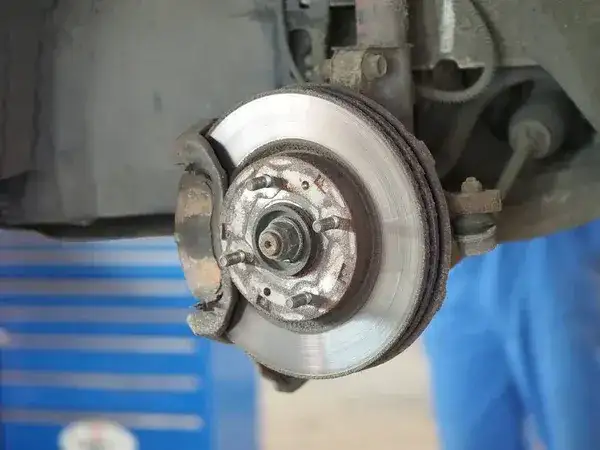
Last month, a 2022 Jetta owner came in after hearing grinding sounds during their daily commute on the I-10 through San Bernardino. They’d been driving in stop-and-go traffic twice daily for 18 months but assumed brake pads lasted “at least 50,000 miles like their old car.” At just 32,000 miles, the front pads were completely worn through and the rotors were damaged beyond resurfacing. The repair cost $980 for pads, rotors, and labor. Brake pad replacement at 28,000 miles when the wear indicators first started squealing? Would have cost $340 and saved the rotors entirely.
If you’re driving a Volkswagen through San Bernardino’s traffic, whether it’s the daily crawl on the I-10 and I-215, the congestion around the National Orange Show Events Center, or the stop-and-go on Highland Avenue during rush hour, your brakes work significantly harder than vehicles in less congested areas. Southern California traffic patterns create brake wear that shortens pad life substantially.
Your VW was built for this kind of driving, but the constant braking required in heavy traffic accelerates wear beyond what standard maintenance schedules account for. Understanding how traffic affects brake life helps you recognize when inspection and replacement become necessary, preventing the expensive rotor damage that occurs when worn pads are ignored.
This matters especially in San Bernardino, where our traffic combines with heat, elevation changes, and driving patterns that create the worst possible conditions for brake longevity. Proper monitoring prevents the surprise of metal-on-metal grinding and the costly repairs that follow.
Why Heavy Traffic Destroys Brake Pads
The relationship between traffic patterns and brake wear is dramatic. Your brake pads convert your vehicle’s kinetic energy into heat through friction every time you slow or stop. In heavy traffic, this happens constantly, creating conditions that accelerate pad material wear exponentially compared to highway driving.
Stop-and-go traffic creates the maximum possible brake wear per mile driven. Unlike highway driving where you might brake occasionally for traffic or exits, congested traffic requires braking every few seconds for extended periods. Your morning commute might involve 50-100 brake applications in just 10 miles of distance. That’s 10 times more brake events per mile than open highway driving, each generating heat and consuming pad material.
The heat buildup from constant braking never fully dissipates in traffic conditions. On open highways, brakes cool between applications. In stop-and-go traffic, pads remain hot from continuous use, which accelerates pad material breakdown. Hot brake pads wear faster than cool pads, and traffic keeps them constantly elevated in temperature.
Southern California’s temperature amplifies this problem. Ambient temperatures in San Bernardino regularly exceed 95 degrees in summer, sometimes reaching 105-110 degrees. Your brake system starts already heat-soaked before you even apply the brakes. Add the friction heat from braking, and your pads operate at temperatures that accelerate wear significantly compared to moderate climates.
“The most surprised customers are the ones who can’t believe their brakes wore out at 25,000 or 30,000 miles,” says David Chen, Service Advisor at our Camino Real location. “They’re comparing to a previous vehicle that got 60,000 miles from brake pads, but that car wasn’t driven in San Bernardino traffic. When we explain they’re braking 50-70 times per commute in traffic that barely moves, they understand why heavy traffic commuters need brake service so much more frequently.”
Your VW’s braking system is sophisticated, using specific pad compounds designed to balance stopping power, noise control, and wear resistance. But no pad material can overcome the physics of constant friction and heat. Traffic driving simply consumes pad material faster than any other normal driving pattern.
A Tiguan owner came to us last fall after 24,000 miles experiencing brake pulsation. She commuted from San Bernardino to Riverside daily on the I-215, spending 45 minutes each way in heavy traffic. Her front brake pads were worn to 2mm thickness, well below the 3mm replacement threshold. The pulsation came from the pads’ backing plates beginning to contact the rotors. We caught it just before rotor damage occurred, but only because the pulsation concerned her enough to bring it in immediately.
Her situation breakdown:
- 18 months of heavy traffic commuting: approximately 24,000 miles
- Front brake pads worn to dangerous levels: 2mm remaining
- Beginning rotor surface damage: early stage caught in time
- Brake pad replacement: $340 for front axle
- Total cost: $340 plus relief from catching it before worse damage
What waiting would have caused:
- Complete pad wear within 1,000-2,000 miles
- Severe rotor damage requiring replacement: add $420-550
- Total reactive cost: $760-890
- Preventive savings: $420-550 by addressing early
How Traffic Patterns Affect Different VW Models
Different Volkswagen models experience varying brake wear rates in traffic depending on vehicle weight, brake system design, and typical use patterns. Understanding your specific model helps set realistic expectations.
Smaller vehicles like the Jetta and GTI typically see front brake pad replacement between 25,000-35,000 miles in heavy traffic conditions. These lighter vehicles (3,000-3,300 pounds) generate less kinetic energy to dissipate during braking, but their smaller brake systems work harder proportionally. The GTI’s performance brake pads compound differently for high-performance driving, often showing different wear patterns than standard Jetta pads.
Mid-size vehicles like the Tiguan and Taos experience front brake pad life of 20,000-30,000 miles in traffic-heavy driving. These vehicles weigh 3,500-3,800 pounds, creating more braking demand than compact cars. The additional weight generates more heat during each brake application, accelerating pad wear. The Tiguan’s available all-wheel drive system adds weight and shifts some braking dynamics, though front brakes still handle the majority of stopping force.
Larger vehicles like the Atlas face the heaviest brake wear, often requiring front pad replacement at 18,000-28,000 miles when driven primarily in traffic. At 4,500+ pounds, the Atlas generates significant kinetic energy that must be converted to heat during every stop. Three-row occupancy and cargo add even more weight, further accelerating brake wear. Atlas owners who commute in traffic should expect more frequent brake service than smaller VW models.
Rear brake pads on all VW models last significantly longer than fronts, typically 1.5 to 2 times the mileage. Front brakes handle 60-70% of braking force due to weight transfer during deceleration, so fronts always wear faster. Rear pads might last 40,000-60,000 miles even when fronts need replacement at 25,000-30,000 miles. This is normal and expected, not an indication of brake system problems.
Warning Signs Your VW Needs Brake Service
Your Volkswagen provides several indicators that brake pads are approaching replacement threshold. Recognizing these signs early prevents pad wear from becoming rotor damage.
Squealing or squeaking sounds during braking indicate your wear indicators contacting the rotor. VW brake pads include small metal tabs designed to create this noise when pads reach approximately 3-4mm thickness. This is your intentional warning that pads need replacement soon. You typically have 1,000-2,000 miles after squealing begins before risking rotor damage, but don’t delay service significantly beyond this point.
The squealing might be intermittent at first, especially in morning cold starts or after rain. As pads continue wearing, the sound becomes constant during all braking. Some drivers try to ignore the squealing, hoping it will stop. It won’t stop. It only gets worse until grinding begins.
Grinding sounds mean you’ve worn through the friction material completely and metal backing plates are contacting rotors. This damages rotors immediately, often beyond resurfacing capability. Grinding brakes require urgent attention, typically within days not weeks. Continuing to drive with grinding brakes risks brake system failure and guarantees rotor replacement adding $400-600 to repair costs. 🚗
Pulsation through the brake pedal during normal stops indicates warped rotors, often from overheating caused by worn pads. As pads wear thin, the remaining material can’t dissipate heat effectively, causing hot spots on rotors that create warping. Light pulsation caught early sometimes allows rotor resurfacing. Severe pulsation requires rotor replacement. Either way, the pads are worn and need replacement.
Dashboard brake warning light illuminated constantly (not just during startup) indicates critically low brake pad thickness or brake fluid level issues. Modern VWs include brake pad wear sensors that trigger dashboard warnings when pads reach minimum thickness. This warning demands immediate attention. You’re operating with compromised braking safety and risking rotor damage with every mile driven.
Pulling to one side during braking suggests uneven pad wear or a seized caliper. One side wearing faster than the other indicates caliper problems preventing even pad contact with rotors. This affects vehicle control during braking and can cause dangerous situations during emergency stops. Pulling also indicates your brake system requires inspection beyond just pad replacement.
A Passat owner came to us last summer after ignoring squealing brakes for “a few weeks” during his commute. By the time the squealing progressed to grinding, he’d driven approximately 3,000 miles past the initial warning. His front rotors were deeply scored, one rear caliper had seized causing uneven wear, and brake fluid was contaminated from heat. The repair cost $1,450 for complete front and rear brake service including seized caliper replacement. Addressing the squealing when it first appeared would have cost $340 for front pads only.
The Inspection Schedule Traffic Driving Requires
Heavy traffic driving demands more frequent brake inspection than standard maintenance schedules recommend. Understanding when and how to inspect your brakes prevents unexpected failures and controls repair costs.
Visual inspection every 5,000 miles catches wear before it becomes problematic. During tire rotations or oil changes, have technicians visually inspect pad thickness through the wheel spokes. Most pads can be assessed without removing wheels for this basic check. Technicians look for remaining pad thickness, uneven wear patterns, and any obvious issues like fluid leaks or damaged brake lines.
Comprehensive brake inspection every 15,000 miles provides detailed assessment of the entire system. This involves removing wheels to measure exact pad thickness with calipers, inspecting rotor condition and thickness, checking caliper operation, and testing brake fluid condition. For traffic-heavy drivers, this 15,000-mile interval catches problems early enough to address with minimal cost.
VW brake pads should be replaced when they reach 3mm thickness. Some shops wait until 2mm, but this leaves minimal safety margin and risks rotor damage if you delay appointment scheduling. Replacing at 3mm provides adequate remaining pad material for safe braking while you schedule service at your convenience rather than as an emergency.
Brake fluid testing annually verifies fluid maintains proper moisture levels and protective properties. Brake fluid absorbs moisture from the atmosphere, which lowers its boiling point. Heavy traffic creates sustained brake heat that can boil contaminated fluid, creating vapor that causes brake fade. Testing costs nothing during routine service and identifies when fluid replacement becomes necessary.
Your brake rotors have minimum thickness specifications stamped on them or listed in service information. Rotors worn below minimum thickness must be replaced, not resurfaced. Traffic driving creates more rotor wear than open highway driving due to constant heat cycling. Measuring rotors during inspections determines if they can be resurfaced or require replacement.
How Driving Style Affects Brake Life
Within the constraints of traffic driving, your personal driving style significantly impacts brake pad longevity. Adjusting habits extends pad life even in heavy traffic conditions.
Aggressive braking wears pads dramatically faster than gentle braking. Approaching stopped traffic and braking hard at the last moment generates maximum heat and stress. Anticipating traffic flow and braking gradually from greater distance reduces heat generation and pad wear. The difference between aggressive and anticipatory braking can extend pad life by 20-30% even in the same traffic conditions.
Watch traffic several cars ahead, not just the vehicle directly in front of you. This extended vision allows earlier speed reduction using less aggressive braking. Gradual deceleration generates less heat per stop than sudden hard braking, which directly translates to reduced pad wear over thousands of brake applications during commuting.
Engine braking using your transmission’s manual mode or downshifting helps reduce brake use in traffic. Letting engine compression slow the vehicle before applying brakes means less work for your brake system. Many modern VWs include manual shift mode or paddle shifters that allow driver-controlled downshifting. Using this during traffic approach conserves brakes meaningfully over months of commuting.
Avoiding unnecessary stops by maintaining space and timing traffic lights extends brake life. Constantly accelerating and braking uses brakes more than maintaining momentum where possible. If traffic ahead is moving slowly but consistently, matching that pace rather than accelerating and braking repeatedly reduces total brake events per commute.
One brake application avoided per commute equals 500+ fewer brake events annually for daily commuters. Those 500 applications represent measurable pad material preservation that translates to months of additional pad life before replacement becomes necessary.
Your 30-Day Traffic Commuter Brake Care Plan
This week: Begin monitoring your brake system for warning signs during your regular commute. Listen specifically for any squealing, grinding, or unusual sounds during braking. Feel for pulsation through the brake pedal during normal stops. Note if your vehicle pulls to either side during braking, or if the brake pedal feels different than normal. Check your dashboard for any brake warning lights. Test your brakes in a safe parking lot or lightly traveled road, making several moderate stops from 30-40 MPH to assess brake feel and sounds. This active monitoring takes no extra time but increases your awareness of brake system condition.
Within two weeks: Schedule a brake inspection if you haven’t had one in the past 15,000 miles or if you’ve noticed any warning signs. Mention your heavy traffic commuting patterns so the advisor understands your driving conditions. If you’re approaching 25,000-30,000 miles on your current brake pads and drive primarily in traffic, inspection is warranted regardless of symptoms. Ask specifically for brake fluid testing to verify moisture content. Review your last brake service records to determine when pads were last replaced or inspected. Calculate your miles since last service and compare against typical traffic-driving pad life for your model.
By month’s end: Adjust your driving style to minimize unnecessary brake wear. Practice anticipatory driving by watching traffic flow several cars ahead. Experiment with engine braking on your commute to reduce brake pedal use. Identify specific sections of your regular route where you typically brake aggressively and work on gentler deceleration in those areas. Track your progress over a week or two, noting if you can reduce total brake applications per commute. These habit adjustments cost nothing but extend brake component life meaningfully. If inspection revealed pads below 4mm thickness, schedule replacement service rather than waiting for squealing or grinding.
Understanding Brake System Longevity
Beyond just pad replacement, understanding your entire brake system’s life cycle helps you plan for maintenance and avoid surprise expenses from components wearing beyond just pads.
Brake rotors typically last through two to three pad replacements on the same axle before requiring replacement. With traffic driving wearing pads every 25,000-30,000 miles, expect rotor replacement around 60,000-80,000 miles. Rotors gradually wear thinner with each pad replacement and resurfacing, eventually reaching minimum thickness requiring replacement. Warped rotors need earlier replacement regardless of thickness.
Brake calipers should last 100,000+ miles with proper maintenance, but can fail earlier from corrosion or seized pistons. Brake fluid service every 30,000 miles protects calipers by preventing moisture contamination that causes internal corrosion. Seized calipers cause uneven pad wear and pulling during braking. Replacement costs $250-400 per caliper including labor.
Brake fluid requires replacement every 30,000 miles or two years for traffic-heavy vehicles. The sustained heat from constant traffic braking degrades fluid faster than mixed driving. Fresh fluid prevents internal corrosion, maintains proper boiling point, and ensures consistent brake pedal feel. This $145-185 service protects expensive brake components while maintaining safe braking performance.
A Jetta owner came to us after 72,000 miles having replaced front brake pads three times but never servicing brake fluid. The contaminated fluid had caused internal corrosion in both front calipers, requiring replacement. The caliper replacement cost $780 beyond the brake pad service he’d scheduled. Regular brake fluid service at $145 every 30,000 miles would have cost $290 total over the same period, preventing the $780 caliper failure.
The Real Cost of Traffic-Driven Brake Maintenance
Understanding the actual maintenance costs for brake systems in traffic-heavy driving helps you budget appropriately and recognize the value of preventive service versus reactive repairs.
Preventive pad replacement at proper intervals costs approximately $320-380 for front pads including quality parts and labor on most VW models. The rotors typically can be resurfaced or don’t need service at all. Addressing brake service when pads reach 3mm thickness provides safe, cost-effective maintenance that prevents additional damage.
Reactive brake repair after ignoring warning signs until grinding occurs requires pad replacement plus rotor replacement because they’re damaged beyond resurfacing. Cost: $720-980 for front axle service. The difference: $400-600 more than preventive service plus the safety risk from delayed attention.
Over 100,000 miles of traffic-heavy driving, expect approximately three to four front brake pad services at $340-380 each ($1,020-1,520 total), one or two rotor replacements at $400-550 per service ($400-1,100 total), one rear brake service at $320-380, and several brake fluid services at $145-185 each ($435-555 total). Total preventive brake maintenance: approximately $2,175-3,555 over 100,000 miles.
Reactive maintenance addressing problems after damage occurs typically costs 30-50% more due to additional component replacement, rush service fees, and secondary damage from delayed repairs. The difference over 100,000 miles: $650-1,800 additional cost plus increased safety risks and inconvenient breakdowns.
Your Volkswagen’s brake system handles the demanding work of stop-and-go traffic reliably when properly maintained. Understanding how traffic accelerates wear, recognizing warning signs early, and scheduling service at appropriate intervals ensures safe, cost-effective brake performance for years of Southern California commuting.
If you’re concerned about your VW’s brake condition or can’t remember when brakes were last inspected, schedule a comprehensive brake inspection today by calling our service department or booking online. Our technicians understand the specific demands of traffic-heavy driving and can assess your brake system honestly.
You’ll find us at 1600 Camino Real in San Bernardino, conveniently located near the I-215 freeway and easily accessible from Highland, Redlands, and throughout the Inland Empire. We offer transparent brake service using quality parts, honest assessments based on actual wear measurements, and expertise that comes from maintaining thousands of VWs driven in Southern California traffic.
Proper brake maintenance tailored to heavy traffic conditions protects your safety, prevents expensive rotor damage from worn pads, and ensures your VW delivers reliable stopping power through thousands of commuting miles. That’s the confidence proper brake care delivers.
0 comment(s) so far on How Often Should You Replace VW Brake Pads in Heavy Traffic?