




Electric for the IE: Caring for Your Volkswagen ID.4
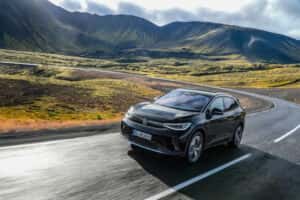
The future of driving has arrived in the Inland Empire, and it’s electric. Your Volkswagen ID.4 represents more than just a new vehicle — it’s a completely different approach to automotive ownership that requires some adjustments in how you think about vehicle care. Whether you’re commuting from San Bernardino to downtown LA, exploring the San Gabriel Mountains, or navigating the stop-and-go traffic on the 10 and 215 freeways, your ID.4 delivers an exceptionally smooth, quiet, and efficient driving experience.
However, caring for an electric SUV in Southern California’s high desert climate presents unique considerations that traditional gas vehicle owners never had to think about. From managing battery performance in triple-digit summers to understanding charging strategies that maximize your investment, proper ID.4 care ensures you’ll enjoy years of reliable, cost-effective electric driving in the IE.
Understanding Your ID.4’s Unique Needs 🔋
Unlike traditional vehicles that require oil changes, transmission services, and emissions system maintenance, your Volkswagen ID.4 operates on an entirely different maintenance philosophy. Electric vehicles have far fewer moving parts, but the components they do have require specialized understanding and care.
Battery Health is Everything
Your ID.4’s lithium-ion battery pack is essentially the heart of the vehicle, similar to how an engine functions in a gas car. However, battery health depends on factors that Internal Empire drivers need to understand, particularly given our extreme temperature variations and unique driving patterns.
The battery management system continuously monitors temperature, charge levels, and usage patterns to optimize performance and longevity. In San Bernardino’s climate, where summer temperatures regularly exceed 100°F and winter mornings can drop into the 30s, understanding how temperature affects battery performance becomes crucial.
Regenerative Braking Changes Everything
Your ID.4’s regenerative braking system captures energy that would normally be lost as heat during braking, feeding it back into the battery. This technology is particularly beneficial for IE drivers who face heavy traffic conditions on routes like the 60, 10, and 215 freeways.
However, regenerative braking also means your traditional brake pads and rotors experience much less wear than conventional vehicles. While this saves money on brake maintenance, it also requires a different approach to brake system care to prevent issues like rotor corrosion from disuse.
Inland Empire Climate Considerations ☀️
The IE’s high desert climate creates specific challenges for electric vehicle ownership that coastal California drivers don’t face. Understanding these factors helps you maximize your ID.4’s performance and battery life.
Summer Heat Management
San Bernardino summers are brutal on all vehicles, but electric cars face unique challenges when temperatures soar above 110°F. Extreme heat affects battery chemistry, reducing both range and charging efficiency. Your ID.4’s thermal management system works overtime during summer months to keep the battery pack within optimal temperature ranges.
Parking strategies become crucial during summer. Whenever possible, seek shaded parking or use covered structures. The difference between parking in direct sunlight versus shade can significantly impact battery temperature and subsequent charging performance.
Desert Dust and Air Quality
The IE’s dusty conditions, particularly during Santa Ana wind events, can affect your ID.4’s cabin air filter more frequently than in coastal areas. A clogged cabin filter forces the climate control system to work harder, drawing more power from the battery and reducing overall efficiency.
Consider more frequent cabin filter replacements if you regularly drive dusty routes or live in areas particularly affected by wind-blown dust from the surrounding desert.
Smart Charging Strategies for IE Living 🏠
One of the biggest adjustments for new electric vehicle owners is developing effective charging habits. In the Inland Empire, where many residents have single-family homes with garages, home charging becomes the foundation of ID.4 ownership.
Home Charging Setup
Installing a Level 2 home charging station transforms your ID.4 ownership experience. Rather than relying on public charging infrastructure, you can start each day with a full battery, taking advantage of Southern California Edison’s time-of-use rates to charge during off-peak hours when electricity costs are lowest.
The IE’s residential architecture typically supports home charging installation more easily than dense urban areas. Most homes have garage space and electrical capacity that can accommodate a 240-volt charging setup with minimal electrical work.
Public Charging Network Navigation
While home charging handles daily needs, understanding the IE’s public charging landscape is essential for longer trips or situations where home charging isn’t available. The region has seen rapid expansion of charging infrastructure, with networks like Electrify America, EVgo, and ChargePoint establishing locations throughout San Bernardino, Riverside, and surrounding areas.
Key charging locations include:
- Shopping centers: Victoria Gardens, Inland Center, and other major retail destinations • Highway corridors: I-10 and I-15 travel routes have increasing charging availability • Workplace charging: Many IE employers are adding charging stations for employee use
Maintenance: Less is More (But Still Important) 🔧
Your ID.4’s maintenance schedule looks dramatically different from traditional vehicles. Without engine oil, transmission fluid, or complex emissions systems, routine maintenance focuses on different priorities.
What You DON’T Need
Gone are the days of oil changes every 3,000-5,000 miles. Your ID.4 eliminates most traditional fluid changes, spark plug replacements, air filter changes, and emission system maintenance. This represents significant long-term savings in both time and money for IE drivers.
The absence of a traditional transmission means no transmission fluid changes, and the simplified drivetrain eliminates many wear items that plague conventional vehicles.
What Still Matters
While electric vehicles require less maintenance, certain systems remain crucial:
Tire care becomes even more important because electric motors deliver instant torque that can accelerate tire wear if not properly managed. Regular rotation and pressure monitoring help maximize tire life and maintain efficiency.
Brake system maintenance shifts focus from pad replacement to ensuring components don’t deteriorate from underuse. In the IE’s dusty conditions, brake cleaning becomes more important than traditional brake service.
Climate control systems work harder in extreme temperatures and dusty conditions, making cabin filter replacement and HVAC system maintenance more critical than in conventional vehicles.
Battery Longevity in High Desert Conditions 🌡️
Maximizing your ID.4’s battery life in the Inland Empire requires understanding how extreme temperatures and driving patterns affect lithium-ion technology. Proper battery care can mean the difference between a battery that lasts 8 years versus one that maintains good performance for 12+ years.
Temperature Management
Your ID.4’s battery performs best when kept within moderate temperature ranges. In summer, this means using the vehicle’s pre-conditioning feature while still plugged in to cool the battery and cabin before driving. This strategy uses grid power instead of battery power for initial cooling, preserving range for your actual trip.
During winter months (yes, the IE has winter), allowing the battery to warm up while connected to a charger optimizes performance and charging efficiency.
Charging Habits That Matter
Avoiding extreme charge levels extends battery life. Rather than always charging to 100% or letting the battery drop to very low levels, maintaining charge between 20-80% for daily driving optimizes battery chemistry and longevity.
For IE drivers with predictable commuting patterns, this strategy works well since most daily driving easily fits within this charge range.
Seasonal Care Strategies 🌴
The Inland Empire’s distinct seasons each present specific care opportunities for your ID.4. Adapting your maintenance approach to seasonal conditions maximizes performance and prevents issues.
Summer Survival
Extreme heat requires proactive battery and cabin management. Use scheduled departure features to pre-condition your ID.4 while connected to a charger. This cools both the battery and cabin using grid power rather than depleting your battery before you even start driving.
Consider window tinting or sunshades to reduce cabin heat buildup, which reduces the load on your air conditioning system and preserves battery range.
Winter Preparation
While IE winters are mild compared to northern climates, temperature variations still affect battery performance. Cold batteries charge more slowly and provide less range, so plan accordingly for winter driving.
Keep your ID.4 plugged in overnight during colder months to maintain optimal battery temperature and ensure maximum range when you start your daily commute.
Cost Benefits of Electric Ownership in the IE 💰
Beyond environmental benefits, your ID.4 delivers significant cost advantages over traditional vehicles, particularly in the Inland Empire’s driving environment.
Fuel Cost Savings
With gasoline prices in California consistently among the nation’s highest, your ID.4’s operating costs provide substantial savings. Charging at home during off-peak hours typically costs the equivalent of $1.50-$2.50 per gallon of gasoline, representing massive savings for IE drivers who often face long commutes.
Reduced Maintenance Expenses
The elimination of oil changes, transmission services, and most fluid replacements significantly reduces your annual maintenance costs. For typical IE driving patterns, this can represent $500-$1,000 annually in avoided maintenance expenses.
Local Expert Insight
“I’ve been working with electric vehicles in the Inland Empire for five years now, and the ID.4 is particularly well-suited for our climate and driving conditions,” says Carlos Rodriguez, an EV specialist at our Camino Real location. “The key for IE owners is understanding that electric vehicle care is more about smart charging habits and temperature management than traditional mechanical maintenance. Customers who embrace these differences find electric ownership incredibly rewarding.”
Embracing Electric Life in the Inland Empire
Your Volkswagen ID.4 represents the future of transportation, perfectly suited for the Inland Empire’s mix of urban commuting, suburban living, and outdoor recreation opportunities. By understanding how to care for your electric SUV in Southern California’s unique high desert environment, you’ll maximize both performance and value while contributing to cleaner air in our region.
The transition to electric driving requires some learning, but the benefits — from dramatic fuel savings to reduced maintenance needs — make it worthwhile for IE residents ready to embrace automotive innovation.
Ready to optimize your ID.4 ownership experience? Visit our service center at 1600 Camino Real in San Bernardino for specialized electric vehicle care, call us to discuss charging solutions and maintenance strategies, or schedule online to ensure your electric SUV delivers maximum performance in Inland Empire conditions. The future of driving is electric, and we’re here to help you make the most of it.
0 comment(s) so far on Electric for the IE: Caring for Your Volkswagen ID.4