




Don’t Let the Santa Ana Winds Jam Your VW’s Panoramic Sunroof: Track Cleaning and Lubrication
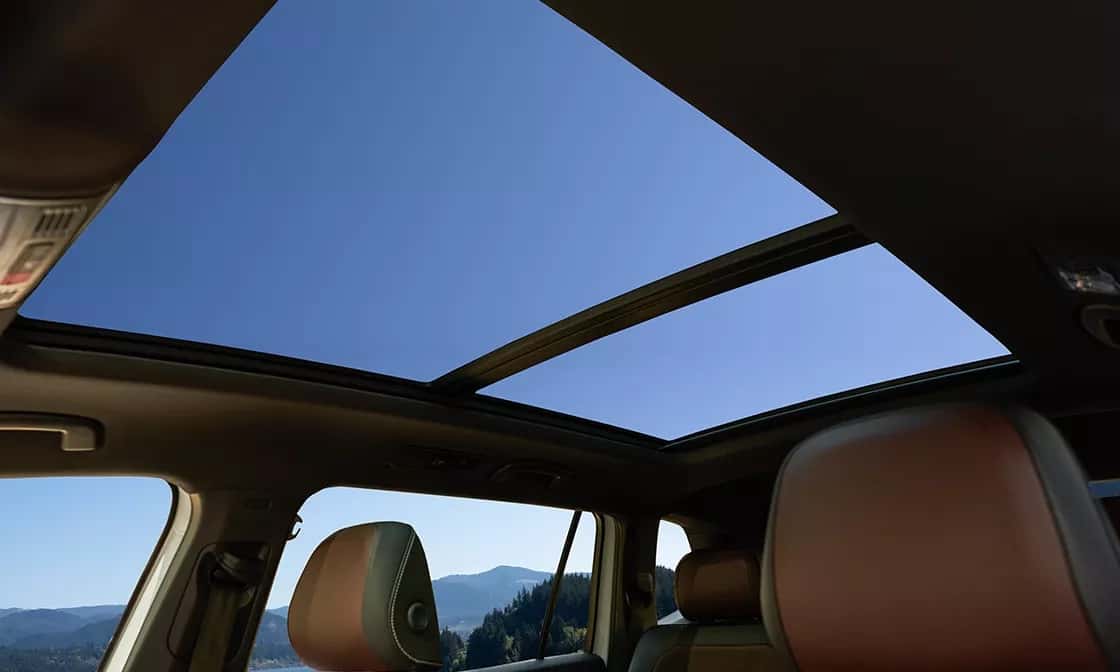
Last month, a 2021 VW Tiguan came in with a panoramic sunroof that had stopped closing completely, leaving a two-inch gap that the owner had been covering with a towel during a rainstorm. The sunroof motor was straining against a track packed with fine sand, dried leaves, and debris from two Santa Ana wind events. The owner had never cleaned or lubricated the tracks since purchasing the vehicle two years prior. Motor replacement and full track cleaning ran $780. A preventive track cleaning and lubrication service? $95.
If you own a VW with a panoramic sunroof in San Bernardino, the Santa Ana winds are not just an inconvenience for your paint and your allergies. They are actively loading your sunroof tracks with fine desert particulate, dried vegetation, and airborne debris every time a wind event moves through the Inland Empire. The panoramic sunroof is one of the most mechanically complex features on your VW, and its track and drainage system were not designed to handle the volume of debris that a sustained Santa Ana event can deposit in a matter of hours. Without periodic cleaning and lubrication, that debris accumulates into a grinding compound that wears the track hardware and strains the motor on every open and close cycle.
Most VW owners in the San Bernardino area treat the panoramic sunroof as a set-and-forget feature until something goes wrong. By then, what would have been a straightforward preventive service has often become a motor, track, or seal replacement conversation. Understanding why this maintenance item matters specifically in the Inland Empire’s climate and what it protects against is the first step toward avoiding that outcome.
How Your VW Panoramic Sunroof System Actually Works
The panoramic sunroof on VW models like the Tiguan, Atlas, and Golf is not a simple sliding panel. It is a multi-component system that includes a tempered glass panel, a motorized track assembly running along both sides of the roof opening, a drain channel system with tubes that route water to the vehicle’s lower body, a headliner shade that operates independently, and a series of guides and rollers that keep the panel moving smoothly and evenly.
When the system is clean and lubricated, all of those components work in concert and the panel opens and closes with minimal motor effort. When debris accumulates in the tracks, the rollers begin grinding against particulate rather than gliding along clean metal. The motor compensates by drawing more current on every cycle. Over time, that increased load wears the motor windings, strips the track guides, and in some cases causes the panel to bind mid-travel, which triggers the system’s anti-pinch protection and stops movement entirely.
Why the Drain System Deserves Equal Attention
The drain channels that run from the sunroof frame down through the A and C pillars to exits near the rocker panels are a separate failure point that Santa Ana conditions make worse. Wind-driven debris does not just land in the track. It also settles into the drain channels, where it mixes with moisture and compacts into plugs that prevent water from draining properly. A blocked drain tube on a VW panoramic sunroof sends water directly into the headliner, down the A-pillar, and into the footwell, producing interior water damage that can reach into the thousands of dollars if the electrical components beneath the carpet are affected.
What Santa Ana Conditions Do to Your Sunroof Tracks 🌵
San Bernardino sits directly in the path of the strongest Santa Ana wind corridors in Southern California. When offshore high-pressure systems push dry desert air down through the Cajon Pass and across the Inland Empire, wind speeds in the San Bernardino Valley regularly reach 40 to 60 miles per hour with gusts exceeding that significantly. At those speeds, fine desert particulate from the Mojave becomes airborne and penetrates every gap and opening in a parked vehicle’s exterior.
The sunroof track is particularly vulnerable because it runs along the roofline, which is fully exposed to wind-driven debris. Even when the sunroof is fully closed, the gap between the glass panel and the track housing is sufficient for fine sand and particulate to infiltrate the track channel. A single significant Santa Ana event can deposit enough material in the tracks to cause perceptible roughness in the sunroof’s operation, and multiple events across a fall and winter season, which is peak Santa Ana season in the San Bernardino area, accumulate into a level of debris contamination that begins actively damaging the track hardware.
Several specific factors make the San Bernardino driving environment harder on panoramic sunroof systems than most other VW markets in California:
- The Cajon Pass wind tunnel effect concentrates particulate-laden air across the north San Bernardino area, which affects vehicles parked near the I-15 corridor from Devore through Verdemont
- Low humidity during Santa Ana events means debris does not clump and fall away as it would in a coastal climate. It stays dry, fine, and mobile, settling deeper into track channels than larger or wetter debris would
- The concentration of commercial and industrial activity along the I-215 and I-10 corridors adds diesel particulate and industrial dust to the ambient air that Santa Ana winds redistribute across the Inland Empire
Warning Signs Your VW Sunroof Tracks Need Cleaning and Lubrication
Catching track contamination before it reaches the motor is the difference between a cleaning service and a motor replacement conversation. These are the signs that indicate your sunroof system needs attention.
Roughness or hesitation when opening or closing. A healthy sunroof panel moves smoothly and evenly from the moment you press the switch. If you feel or hear a grinding, scraping, or stuttering quality during operation, debris is already in contact with the track rollers and the cleaning service is overdue.
Sunroof that stops mid-travel and reverses. The VW panoramic sunroof’s anti-pinch system is designed to reverse direction if it detects unexpected resistance. If your sunroof starts opening or closing and then stops and reverses without any obvious obstruction, track debris or a struggling motor is triggering the protection system.
Clicking or grinding sounds during operation. Any sound beyond the normal quiet hum of the motor during sunroof movement is a signal that mechanical contact is occurring somewhere in the track system that should not be happening.
Sunroof that closes unevenly, with one side leading the other. Uneven debris accumulation on one track side causes the panel to travel at different rates on each side, producing a visible tilt that gets worse with every cycle if not addressed.
Water intrusion at the headliner or A-pillar. If you notice moisture staining on your headliner near the sunroof frame or water running down the A-pillar during rain, a blocked drain tube is the most likely cause and should be addressed immediately before interior water damage develops further.
Musty or earthy smell from the headliner area. Moisture that has been trapped behind a blocked drain tube and saturated the headliner insulation produces a distinctive musty smell that is often the first sign of a drainage problem before visible staining appears.
Motor that sounds louder or more labored than usual. If the motor sound during sunroof operation has changed in pitch or intensity compared to when the vehicle was new, increased electrical load from a contaminated track is a likely cause.
How Often San Bernardino VW Owners Should Service Their Sunroof Tracks
The standard recommendation for panoramic sunroof track cleaning and lubrication is once per year for average driving conditions. In San Bernardino’s Santa Ana environment, a more appropriate schedule for most VW owners looks like this:
- Track cleaning and lubrication: Every six months, with one service timed for after the primary Santa Ana season concludes in late winter
- Drain tube inspection and flush: Once per year minimum, before the onset of the rainy season in late fall
- Full sunroof system inspection including seals and hardware: Every two years or at any sign of operational irregularity
Here is what each service level costs at the dealership versus what deferred maintenance produces:
- Track cleaning and lubrication service: $85 to $120
- Drain tube cleaning and flush: $60 to $95
- Sunroof motor replacement: $550 to $850 depending on model
- Track hardware replacement: $400 to $700
- Interior water damage remediation from blocked drains: $800 to $2,500 depending on extent
Two track cleanings per year at $95 each totals $190 annually. A single motor replacement costs three to four times that in one visit.
The Right Way to Clean and Lubricate VW Sunroof Tracks at Home Between Services
Professional track cleaning is the most thorough option, but there are steps San Bernardino VW owners can take between service intervals to slow debris accumulation after major Santa Ana events.
Here is what a basic at-home maintenance step looks like after a significant wind event:
- Use a soft detailing brush or a can of compressed air to dislodge loose debris from the visible portions of the track channel with the sunroof fully open
- Wipe the accessible track surface with a clean microfiber cloth to remove surface particulate before it migrates deeper into the channel
- Apply a small amount of VW-approved sunroof track lubricant to the visible track surface using a clean cloth, avoiding silicone-based products that attract additional debris
What this approach does not address is the debris that has already migrated into the non-visible portions of the track or into the drain channels. That is where professional servicing adds value that at-home maintenance cannot replicate.
Christina R. from Redlands had been doing basic at-home track wipes after each Santa Ana season for two years and noticed her sunroof was still developing a mild hesitation by mid-winter each year. A professional service at Volkswagen San Bernardino found debris compacted into the rear track channels and a partially blocked driver-side drain tube that her surface cleaning had not reached. A full service for $175 cleared both issues and her sunroof returned to the smooth, quiet operation she remembered from when the vehicle was new.
What Your VW Technician Wants You to Know 🔧
“Panoramic sunroof track service is one of those things that feels optional until the motor stops working, and then it feels very necessary very quickly. In San Bernardino specifically, I always tell customers that a Santa Ana event is basically a stress test for their sunroof system. The debris those winds deposit in the tracks is finer and drier than anything that accumulates in a coastal climate, and it compacts into the track hardware in ways that are genuinely damaging over time,” says Marco Delgado, Senior Service Technician at the Camino Real location. “Twice a year is the right interval here. Once in spring after the main Santa Ana season and once before fall. It is a small investment that keeps a very expensive system running the way it should.”
Your 30-Day Sunroof Track Action Plan
This week: Operate your panoramic sunroof through a full open and close cycle and pay close attention to the quality of movement. It should be smooth, quiet, and even on both sides from start to finish. If you notice any roughness, hesitation, grinding sound, or uneven panel travel, those are signals that a professional cleaning is needed before the next wind event adds to the existing debris load.
Within two weeks: Check the drain tube outlets on your vehicle, typically located near the lower rocker panel area on both sides of the vehicle toward the rear. Run a small amount of water into the sunroof drain channel with a bottle and confirm it exits cleanly at the lower outlets within a few seconds. If water backs up into the cabin or drains very slowly, a partial blockage is already developing.
Here is a quick checklist to bring to your service appointment:
- Date of last sunroof track cleaning or lubrication if known
- Description of any operational irregularities noticed during your cycle test
- Whether you have experienced any interior moisture near the headliner or A-pillar
- Approximate number of significant Santa Ana events your vehicle has been exposed to since the last service
By month’s end: Schedule a sunroof track cleaning and drain tube inspection at Volkswagen San Bernardino. Timing this service for after the primary Santa Ana season gives your system the cleanest possible baseline heading into the spring and summer months when sunroof use is typically highest among Inland Empire drivers.
Schedule Your Sunroof Track Service at Volkswagen San Bernardino Today
The Tiguan owner who came in with a sunroof that would not close and a motor strained past its limit learned that two years of Santa Ana seasons without a single track cleaning was the entire explanation. The repair was straightforward but expensive, and entirely avoidable. Christina from Redlands kept her system in good condition through a combination of basic at-home care and twice-annual professional servicing, and her sunroof has operated without issue through multiple wind seasons.
Your VW’s panoramic sunroof is one of the most enjoyable features in the vehicle and one of the most expensive to repair when neglected. The certified technicians at Volkswagen San Bernardino understand the specific debris and drainage challenges that the Santa Ana environment creates and have the tools and products to service your sunroof system correctly for this climate. Book your appointment online or stop by the dealership at 1600 Camino Real, San Bernardino, CA 92408 today, and keep your panoramic sunroof opening and closing exactly the way it should through every Inland Empire season ahead.
0 comment(s) so far on Don’t Let the Santa Ana Winds Jam Your VW’s Panoramic Sunroof: Track Cleaning and Lubrication