




Desert Heat & VW Batteries: Why the 100°F+ temperatures in the Inland Empire kill batteries faster than the cold.
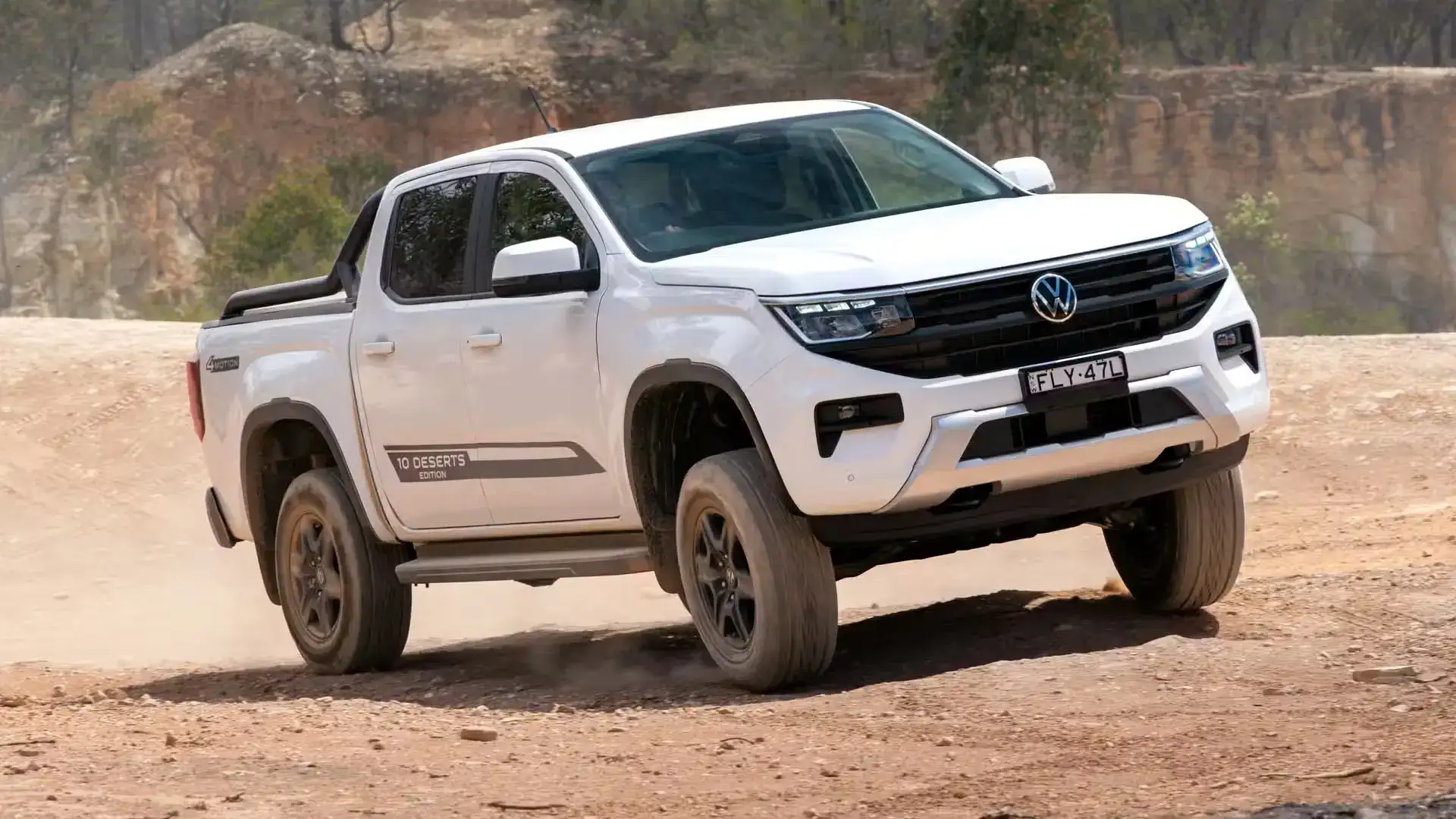
Last August, a 2021 Volkswagen Atlas came into our service bay after its owner was stranded in a surface parking lot off Hospitality Lane following a Costco run on a 108-degree afternoon. The battery had shown a slow crank on cold mornings for about six weeks prior but had always started, so the owner assumed it had enough life left to manage. The emergency battery replacement, tow from the parking lot, and diagnostic fee totaled $520. A proactive battery test and replacement before summer would have cost $180 to $220.
Being stranded in a San Bernardino parking lot in August is not a minor inconvenience. Triple-digit temperatures make waiting for a tow truck a genuine health concern, and the timing of battery failures in the Inland Empire follows a pattern that catches drivers off guard precisely because the conventional wisdom about batteries points in the wrong direction. Most drivers associate battery failure with cold weather, and that association is not wrong globally, but in the specific climate of San Bernardino County it leads Volkswagen owners to underestimate their battery’s condition heading into the season that actually kills it.
Heat is categorically harder on automotive batteries than cold. Cold slows a battery’s chemical reactions and reduces its ability to deliver cranking amps, which is why cold mornings reveal batteries that are already weakened. Heat accelerates the internal degradation that creates that weakness in the first place. The Inland Empire’s sustained triple-digit summers, combined with the radiant heat that builds in parking lots along the I-215 corridor and the Hospitality Lane commercial areas, create an operating environment for Volkswagen batteries that shortens service life in ways that cold-climate conventional wisdom simply does not prepare owners for.
For Volkswagen owners in San Bernardino, Redlands, and the surrounding Inland Empire communities, understanding how heat affects battery chemistry, recognizing the warning signs that appear before failure, and knowing when to test and replace proactively is the difference between a battery that gets changed on your schedule and one that strands you on a 110-degree afternoon.
How Heat Destroys Volkswagen Batteries
The Chemistry Behind Heat Damage
Automotive batteries generate electrical current through a chemical reaction between lead plates and sulfuric acid electrolyte. That reaction is temperature-sensitive in both directions, but the consequences of each extreme are fundamentally different in nature. Cold temperatures slow the reaction and reduce available cranking power temporarily, but the battery recovers its capacity when temperatures normalize. Heat accelerates the reaction and causes permanent physical changes to the battery’s internal structure that do not reverse when temperatures drop.
At sustained temperatures above 100 degrees, battery electrolyte evaporates at a rate that accelerates plate exposure and corrosion. The lead plates themselves expand under heat stress and can shed active material onto the battery case floor, reducing the effective plate surface area permanently. Internal resistance increases as a result of these changes, which means the battery holds less charge, delivers less reliable cranking power, and recovers more slowly from discharge events. A Volkswagen battery that has spent two or three summers in the Inland Empire has experienced cumulative heat damage that a battery in a cooler climate would not accumulate in twice the time.
The situation is compounded by the specific way San Bernardino heat builds in parked vehicles. A Volkswagen Atlas or Tiguan sitting in a surface lot near the Carousel Mall or the Cal State San Bernardino area on a 105-degree afternoon has an under-hood temperature that significantly exceeds the ambient air temperature. Engine heat combined with solar loading through the hood creates battery compartment temperatures that can exceed 150 degrees during extended parking in direct sun, and that temperature exposure accumulates across hundreds of parking events over the course of an Inland Empire summer.
VW Electrical Demands That Accelerate the Problem
Modern Volkswagen models place higher electrical demands on the battery than older vehicles, and several of those demands are relevant in the specific context of Inland Empire heat. The Climatronic system runs at sustained high output during summer operation, placing continuous load on the charging system. Start-stop technology on newer VW models cycles the battery through more charge and discharge events per mile than traditional systems, and batteries that are already heat-degraded handle these repeated cycles less gracefully than fresh batteries in good condition.
The AGM batteries used in many current VW models with start-stop technology are more heat-tolerant than traditional flooded lead-acid batteries, but they are also more sensitive to the consequences of running in a degraded state. An AGM battery that is operating at 70 percent of its rated capacity due to heat damage will perform acceptably under normal loads but struggle under the combined demand of a hot start after extended parking in direct sun, Climatronic at maximum output, and stop-start cycling in slow traffic on the I-215. That combination is a routine summer afternoon in San Bernardino, and it is the scenario under which heat-damaged VW batteries most commonly fail completely.
A 2020 Volkswagen Passat owner from Fontana came to us last June after his start-stop system had been deactivating itself frequently on his commute along I-10 toward downtown San Bernardino. He had assumed it was a feature glitch rather than a battery concern. When we tested the battery, it was at 58 percent of rated capacity despite being only 28 months old, a degradation rate consistent with two full Inland Empire summers of sustained heat exposure. Replacing the battery at that point cost $210 and restored normal start-stop operation immediately. Had he waited for a complete failure, a roadside service call would have added $150 to $200 to that cost.
Warning Signs Your VW Battery Is Heat-Damaged
Heat-related battery degradation produces warning signs that are easy to dismiss individually but form a clear pattern when recognized together. In the Inland Empire’s climate, these signs tend to appear in late spring as temperatures begin climbing toward summer peaks, which makes April and May the most important period for Volkswagen owners to pay attention.
- Slow or labored cranking on hot starts. A battery that cranks slowly after the vehicle has been sitting in direct sun for several hours is showing reduced capacity under heat stress. This is the most reliable early warning sign in an Inland Empire context.
- Start-stop system deactivating frequently or not engaging. The start-stop control module monitors battery state and disables the feature when capacity drops below a threshold. Frequent deactivation without an obvious cause is an early battery health indicator.
- Voltage warning or battery light appearing briefly then clearing. Intermittent electrical warnings that clear themselves often indicate a battery that is marginal under load but recovers enough at rest to extinguish the warning temporarily.
- Accessories behaving erratically after hot parking. Window switches, infotainment system, or interior lighting that behaves inconsistently immediately after starting a hot-soaked vehicle indicates the battery is struggling to maintain stable voltage during the initial start sequence.
- Battery case that appears swollen or bulged. Physical swelling of the battery case is a direct indicator of internal heat damage and warrants immediate replacement regardless of how the vehicle is starting.
- Battery more than three years old in the Inland Empire. The standard five-year battery service life estimate assumes moderate climate conditions. In San Bernardino County’s heat environment, three years is a more realistic planning horizon for proactive replacement consideration.
If two or more of these signs are present heading into summer, a battery load test rather than a simple voltage check gives you an accurate picture of remaining capacity. Voltage tests measure surface charge and frequently show a passing result on batteries that are significantly degraded. A load test applies a controlled discharge that reveals how the battery actually performs under the conditions your VW encounters on a hot Inland Empire afternoon.
What Proactive Battery Management Looks Like
What reactive battery replacement costs after a failure event:
- Emergency roadside service call: $150 – $200
- Battery replacement at point of failure: $180 – $280
- Tow if vehicle will not restart: $120 – $200
- Total if stranded: $450 – $680
What proactive battery testing and replacement costs:
- Battery load test at scheduled service visit: $0 – $25
- Proactive battery replacement before failure: $180 – $260
- Smart total: $180 – $285
Your potential savings from replacing on your schedule: $270 – $395.
“The pattern we see every summer is predictable and preventable,” says Carlos Reyes, VW Electrical Systems Technician at the Camino Real location. “Owners come in after a failure in July or August and when we look at the battery history it is almost always a three or four year old battery that spent those summers in Inland Empire heat. The battery was giving signals for months. Testing in April or May before the worst heat arrives is the move. A load test takes fifteen minutes and tells you exactly where you stand before the summer decides for you.”
Protecting Your VW Battery Through an Inland Empire Summer
Several practical habits extend battery service life in high-heat environments and reduce the risk of a heat-related failure during San Bernardino’s most demanding months. Parking in shade or covered structures whenever possible during peak heat hours reduces under-hood temperature accumulation significantly. The difference in battery compartment temperature between a Volkswagen parked in a covered structure and one sitting in direct sun in a surface lot near the Ontario Mills area for four hours is not trivial, and over the course of a summer that difference accumulates into meaningful variance in degradation rate.
Keeping the battery terminals clean and free of corrosion is more important in the Inland Empire’s heat than in cooler climates because corrosion increases resistance in the charging circuit and causes the battery to work harder during both charging and discharge events. A quick terminal inspection at each oil change visit adds nothing to service time and catches corrosion before it progresses to the point of affecting charging system performance.
For VW models with start-stop technology, avoiding repeated very short trips during peak summer heat reduces the number of partial charge cycles the battery experiences under thermal stress. Short trips that do not give the charging system adequate time to restore the charge consumed during starting are harder on heat-degraded AGM batteries than on fresh ones, and clustering errands into fewer, longer trips during July and August is a simple habit that reduces cumulative battery stress over the course of the season.
Your 30-Day Battery Health Check
This week: Pay attention to how your VW starts after extended hot parking. For the next several mornings after the vehicle has sat overnight or through a hot afternoon, note whether cranking feels immediate and strong or slower than usual. A hot start that feels labored, even briefly, is the most direct indicator available to you from the driver’s seat that battery capacity has been compromised by heat exposure. This observation costs nothing and gives you a meaningful baseline for whether further testing is warranted.
Within two weeks: Check your battery’s age and service history. If you do not know when your current battery was installed, our service department can look it up through your vehicle’s service record. A battery that is approaching or past three years in the Inland Empire heat environment warrants a load test before summer peaks, regardless of how the vehicle is currently starting. Age combined with heat exposure is the most reliable predictor of imminent failure available, and knowing where you stand on that timeline is the starting point for any proactive battery decision.
By month’s end: Schedule a battery load test before summer peaks. Bring your Volkswagen into Volkswagen San Bernardino before June temperatures begin their sustained climb toward triple digits. Our technicians will perform a full battery load test, check the charging system output, inspect terminal condition, and give you a clear picture of your battery’s remaining capacity. If replacement is warranted, doing it in May on your schedule costs significantly less and causes significantly less disruption than doing it in August on the battery’s schedule.
These three steps take less than thirty minutes of your time but represent the difference between a summer of reliable starting and an afternoon stranded in an Inland Empire parking lot waiting for a tow in 108-degree heat.
Getting Ahead of the Heat
The Atlas owner from the opening came back to us the following April and has made a pre-summer battery load test a standing part of his annual service routine since. His current battery is now in its third Inland Empire summer and tests at 91 percent of rated capacity, a result he attributes to consistent shade parking near his workplace off the I-215 and a terminal cleaning we performed at his spring service visit. He has not been stranded since.
San Bernardino’s summers are not going to moderate, and the Inland Empire’s heat will continue doing what it does to automotive batteries every year from June through September. For Volkswagen owners in San Bernardino, Redlands, Fontana, and the surrounding communities, the only variable is whether the battery gets changed proactively in spring or reactively in a parking lot in August.
When you are ready to have your battery evaluated before the next heat wave arrives, the service team at Volkswagen San Bernardino, located at 1600 Camino Real, San Bernardino, CA 92408, is ready to test, assess, and advise on exactly where your VW’s battery stands heading into another Inland Empire summer. Scheduling is available online or through the service department. A battery replaced on your schedule is one of the simplest investments you can make in a summer free from roadside surprises. 🌡️
0 comment(s) so far on Desert Heat & VW Batteries: Why the 100°F+ temperatures in the Inland Empire kill batteries faster than the cold.