




Conquering the Cajon Pass: VW Engine Cooling System & Radiator Flush Maintenance
Key Takeaways
- Cooling is your first defense against heat: Long I-15 climbs and triple-digit Inland Empire summers push your engine and coolant harder than everyday driving does.
- Use only VW-approved coolant: Volkswagen engines call for specific coolant types, and mixing the wrong products can reduce protection and harm cooling system parts.
- Inspect hoses, caps, and the reservoir: Small leaks and aging plastic components are common causes of desert overheating, and they are easy to spot early.
- Service before the trip, not after the warning light: A scheduled coolant service costs far less than the engine damage that follows an overheat.
Anyone who has crawled up the Cajon Pass on a July afternoon with the temperature gauge in mind knows how quickly a long climb can test a car. A cooling system service costs a small fraction of what a repaired water pump, replaced radiator, or damaged cylinder head costs, and it is one of the simplest ways to protect your Volkswagen’s engine. Here is what San Bernardino drivers should know before the next desert run.
Why the Cajon Pass Is a Cooling System Test
The Cajon Pass carries I-15 from the San Bernardino Valley up to a summit of roughly 4,200 feet before dropping toward Hesperia, Victorville, and the Mojave Desert beyond. Anyone heading to Las Vegas, Barstow, or the high desert makes this climb, and it is a steady, sustained grade rather than a short hill.
Sustained load is exactly what makes heat. Your engine produces more power on a long climb, and that means more heat flowing into the coolant. On a summer day, outside air may already be well above 100 degrees, which means the radiator has less temperature difference to work with. Add air conditioning running at full effort, a loaded vehicle, and slow-moving traffic, and the cooling system works near its limit.
Turbocharged Volkswagen engines add another layer. Turbochargers generate substantial heat of their own, and many VW engines rely on a carefully managed cooling circuit to protect them. A system that is slightly low, aging, or restricted may handle a quiet drive around town and then struggle on the pass.
What Your Volkswagen’s Cooling System Does
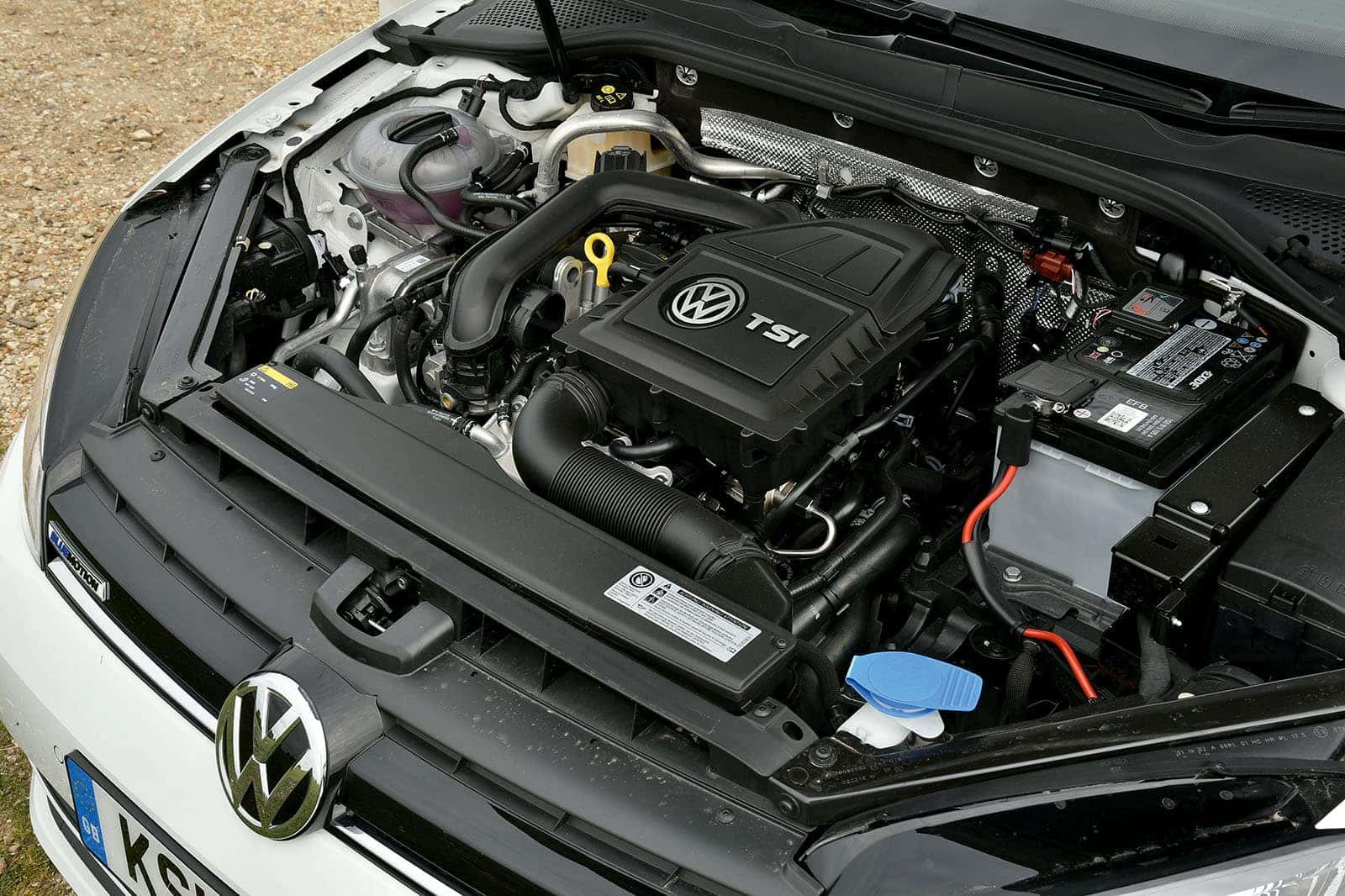
The cooling system circulates a mix of coolant and water through the engine, carries heat to the radiator, and releases it into the air. The main components include the radiator, water pump, thermostat, hoses, electric cooling fans, and the coolant reservoir with its pressurized cap.
Many modern Volkswagens use plastic housings and connectors in the cooling circuit. Those parts are lighter and cost-effective, but repeated heating and cooling can make plastic brittle over time, and desert conditions accelerate that aging. A hairline crack may show up first as a faint sweet smell, a dried crust of residue near a connection, or a coolant level that slowly drops.
Coolant itself also does more than carry heat. It contains additives that protect aluminum and other metals from corrosion, and it raises the boiling point of the liquid under pressure. As those additives are consumed, protection drops, even when the fluid looks clean.
Choosing the Right Coolant for Your VW
Volkswagen specifies particular coolant types, and they are not interchangeable with generic products from a parts store. Your owner’s manual identifies the correct specification for your engine, and the coolant in your reservoir is typically tinted a distinctive color to help technicians recognize it.
Mixing incompatible coolants can cause the additives to react, reducing corrosion protection and sometimes producing sludge that restricts flow. The coolant should also be blended with the right proportion of water, since too little water or too much both reduce cooling performance and freeze protection. Using genuine VW parts and fluids keeps the system matched to what your engine was designed for, and you can browse what is available through the Volkswagen San Bernardino parts center.
A good rule is simple: never top off with whatever is closest, and never open the cap on a hot engine. If your coolant level is low, have the cause found rather than just refilled, because coolant does not disappear on its own.
Smart Habits for Desert and Pass Driving
The right driving habits take pressure off the cooling system, especially during summer. These are worth building into every trip up the pass.
- Check coolant level when the engine is cold: Compare the reservoir level against the marks, and note any change from one week to the next.
- Watch the temperature gauge on climbs: A needle that normally rests in the middle and starts creeping upward is your early warning.
- Ease off the air conditioning if heat builds: Reducing A/C load briefly can lower the strain on the radiator and fans.
- Leave space and avoid hard acceleration: Smooth, steady throttle on a grade produces less heat than repeated bursts of power.
- Keep the radiator and grille area clear: Bugs, leaves, and debris can restrict airflow, and fire-season ash or dust can add to the buildup.
If the gauge does climb toward the hot range, turn off the air conditioning, set the cabin heater to maximum with the fan on high to pull heat away from the engine, and find a safe place to pull over. Let the engine cool completely before opening anything, and have the vehicle inspected before continuing the trip.
Radiator Flush and Coolant Service Explained
A cooling system service goes beyond simply adding fluid. A technician drains the old coolant, flushes out contaminants and sediment, refills with the correct VW-approved coolant at the proper mixture, and bleeds trapped air from the system. Air pockets can cause hot spots and false temperature readings, so proper bleeding matters as much as the coolant itself.
During the service, the technician typically inspects the hoses, clamps, cap, reservoir, and visible connections for cracks, leaks, or swelling. Pressure testing can reveal small leaks that are invisible at rest but show up once the system is hot and pressurized. If a worn part is found, it can be addressed on your schedule rather than on the shoulder of the I-15.
Volkswagen coolants are designed for long service life, but that does not mean they last forever. Your owner’s manual and maintenance schedule describe the recommended interval for your vehicle, and demanding conditions such as high heat, towing, and frequent mountain driving justify keeping closer to the shorter end. You can review the work your car needs through the service center page, and a quick conversation with the service team will help you decide what fits your driving.
Warning Signs of a Struggling Cooling System
Cooling problems usually announce themselves before they become emergencies. Pay attention to a temperature gauge that reads higher than usual, a coolant warning message on the dash, or a reservoir that needs frequent topping off. Notice a sweet, syrupy smell after driving, visible puddles under the parked car, or steam rising from beneath the hood.
Other clues include a heater that blows cool air when it should be warm, which can indicate low coolant or trapped air, and cooling fans that run constantly or seem unusually loud. If any of these appear, avoid long grades and desert stretches until the vehicle is checked. Driving an overheating engine even for a short distance can warp components and cause damage far beyond the original problem.
Before any road trip, check for open recalls using the NHTSA recall lookup, and look over current highway conditions on Caltrans QuickMap so you know about closures, fires, or heavy delays on I-15 and SR-138 before you commit to the route.
The Cost of Prevention Versus Repair
The price gap between maintaining a cooling system and rebuilding one after an overheat is wide. The ranges below are general and approximate, and they vary by model, year, and the work involved. Always request a written estimate for your specific Volkswagen.
- Coolant service and system inspection: Typically a modest expense, and the most affordable protection for your engine.
- Water pump or thermostat housing replacement: Often several hundred dollars or more, depending on the engine and labor required.
- Radiator replacement: Commonly costs in the hundreds to over a thousand dollars, depending on the model.
- Overheat-related engine repairs: A damaged head gasket, warped cylinder head, or other internal damage can climb into the thousands.
- Towing from the pass or desert: An unplanned breakdown in remote terrain adds significant cost and a very long wait in the heat.
Viewed side by side, a scheduled service is one of the smartest purchases an owner can make.
Get Your Volkswagen Ready for the Climb
The Cajon Pass will always be demanding, but a healthy cooling system makes it routine. Use the correct coolant, watch your gauge, keep the airflow path clear, and have the system inspected before summer and before long desert trips.
If your Volkswagen is due for service or you have noticed anything unusual, the team at Volkswagen San Bernardino, located at 1600 Camino Real, San Bernardino, CA 92408, United States, can inspect your cooling system and recommend the right service. You can schedule service online at a time that suits you and head up the pass with confidence.
0 comment(s) so far on Conquering the Cajon Pass: VW Engine Cooling System & Radiator Flush Maintenance