




Brake Service 101: How San Bernardino Conditions Affect Your VW Brakes
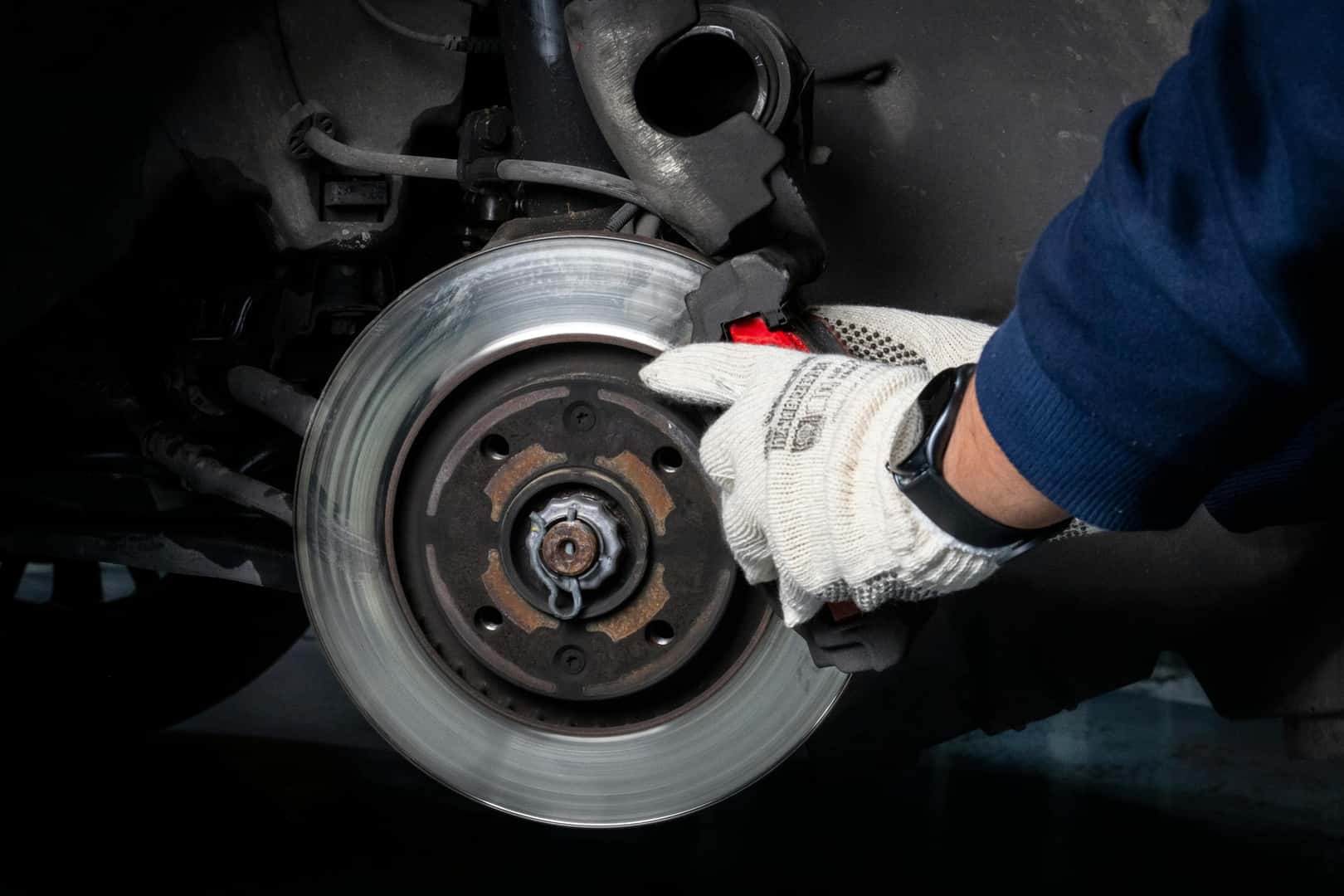
Your Volkswagen’s brake system faces unique challenges in the San Bernardino area that drivers in milder climates never encounter. From scorching summer temperatures that exceed 100 degrees to the steep mountain grades of the San Bernardino and San Gabriel ranges, your brakes work harder here than almost anywhere else in the country. Understanding these specific stressors is essential to keeping your VW’s braking system safe and reliable.
Here’s what many Inland Empire drivers don’t realize: heat is the primary enemy of brake performance and longevity. Every time you press the brake pedal, friction converts your vehicle’s kinetic energy into thermal energy. In San Bernardino’s desert climate, your brakes start from a higher baseline temperature and have less capacity to dissipate the heat they generate. This means components wear faster, brake fluid degrades more quickly, and the margin for error shrinks considerably.
Whether you’re commuting on I-10 through rush hour traffic, navigating the winding climb up to Rim of the World, or dealing with stop-and-go congestion on Hospitality Lane, your brakes are constantly adapting to demanding conditions. This article will help you understand exactly how local driving affects your brake system, recognize warning signs before they become safety issues, and maintain your brakes properly for the unique challenges of Southern California driving.
How Your VW’s Brake System Works
The Components Working Together
Your Volkswagen uses a disc brake system on all four wheels (most models), consisting of brake rotors, calipers, brake pads, and hydraulic lines filled with brake fluid. When you press the brake pedal, hydraulic pressure forces the calipers to squeeze brake pads against the spinning rotors, creating friction that slows your vehicle.
This friction generates tremendous heat. During a single panic stop from 65 mph, your front brake rotors can reach temperatures exceeding 700 degrees Fahrenheit. Under normal driving, rotors regularly reach 300 to 400 degrees. In San Bernardino’s summer heat, when ambient temperatures hit 105 degrees and road surface temperatures exceed 140 degrees, your brakes start with less thermal capacity than they would in cooler climates.
Heat Management and Performance
Modern VW brake systems are engineered with heat dissipation in mind. Rotors have internal venting channels that promote airflow and cooling. Brake pads use friction materials designed to maintain consistent performance across a wide temperature range. However, these systems have limits, and sustained high temperatures degrade components faster than intermittent use in moderate conditions.
Brake fluid is particularly vulnerable to heat. Quality brake fluid has a boiling point around 450 degrees when fresh, but this drops as the fluid absorbs moisture over time. In our desert climate where daytime temperatures regularly exceed 100 degrees, brake fluid temperatures can approach dangerous levels during aggressive or mountain driving, especially if the fluid hasn’t been serviced regularly.
How San Bernardino’s Unique Conditions Affect Brakes
Desert Heat and Component Wear
Summer temperatures in San Bernardino consistently rank among the hottest in California. This ambient heat affects every aspect of your brake system. Brake pads and rotors that would last 50,000 miles in temperate climates might need replacement at 35,000 miles here because the constant heat accelerates pad material breakdown and rotor surface wear.
Heat also affects brake fluid chemistry. The hygroscopic nature of brake fluid means it constantly absorbs atmospheric moisture. In our dry climate, this might seem like less of an issue, but the extreme heat actually accelerates chemical breakdown of the fluid’s additives, reducing its protective properties and lowering its boiling point faster than in cooler regions.
Your brake components also face thermal cycling stress unique to desert environments. Morning temperatures might be 65 degrees, afternoon temps hit 110, and then components cool again overnight. This constant expansion and contraction can cause rotor warping, accelerate seal deterioration in calipers, and stress brake line connections.
Mountain Driving and Brake Stress 🔧
The San Bernardino Mountains present some of California’s most demanding brake conditions. Routes like Highway 18 (Rim of the World), Highway 330, and the Cajon Pass involve extended descents where drivers ride their brakes continuously. This sustained braking generates heat faster than the system can dissipate it, leading to brake fade, accelerated pad wear, and potential brake fluid boiling.
Descending from Big Bear or Lake Arrowhead, your brakes might absorb the same thermal energy as dozens of highway panic stops compressed into 20 minutes. Drivers unfamiliar with proper mountain driving technique often keep constant pressure on the brake pedal, which glazes the pads, warps rotors, and can even boil brake fluid in extreme cases.
The proper technique for these descents involves using lower gears to employ engine braking, which reduces reliance on friction brakes. Your VW’s manual mode or gear selector allows you to downshift before descents, using engine compression to control speed. Apply brakes intermittently to maintain safe speed rather than riding them continuously.
Urban Stop-and-Go Traffic
San Bernardino’s urban corridors, particularly I-10, I-215, and surface streets like Baseline and Foothill Boulevard, subject brakes to constant use without the cooling benefit of sustained highway speeds. Each brake application generates heat, and in traffic, you’re applying brakes every few seconds without the airflow needed to cool components between stops.
This pattern is particularly hard on brake pads because they never fully cool down. The constant moderate heat keeps pad material at temperatures where wear rates are highest. Over weeks and months, this steady wear adds up faster than mixed driving that includes highway cruising where brakes cool completely between uses.
Warning Signs Your VW Brakes Need Service
Audible Indicators
Squealing or squeaking noises when braking often indicate brake pads have reached their wear indicators. These are small metal tabs designed to contact the rotor when pad material gets thin, creating an intentionally annoying noise that alerts you to schedule service. Never ignore this warning, as driving on worn pads damages rotors and significantly increases repair costs.
Grinding or scraping sounds indicate you’ve gone beyond the wear indicators and the brake pad backing plates are now contacting the rotors directly. This metal-on-metal contact destroys rotors rapidly and can damage calipers. If you hear grinding, stop driving and have your vehicle towed to avoid dangerous brake system damage.
Pedal Feel and Performance Changes
A soft or spongy brake pedal that travels further than normal before engaging suggests air in the brake lines or, more concerning, degraded brake fluid that’s beginning to vaporize under heat. This condition requires immediate attention, as it indicates compromised braking ability that could fail completely under demanding conditions.
If your brake pedal vibrates or pulsates during normal stops (not ABS activation), this usually indicates warped rotors. Heat cycling and aggressive braking can cause rotors to develop uneven surfaces that create vibration when the pads contact them. While you can sometimes continue driving with this condition, warped rotors should be addressed promptly as they reduce braking effectiveness and accelerate pad wear.
Visual and Performance Cues
Pull to one side during braking indicates uneven brake force between left and right wheels. This could result from a sticking caliper, contaminated brake pads, or uneven pad wear. Pulling is both annoying and dangerous, as it affects your ability to maintain vehicle control during emergency stops.
A burning smell after driving, especially after mountain descents or spirited driving, indicates overheated brakes. If accompanied by reduced braking performance or a soft pedal, pull over safely and allow brakes to cool before continuing. Persistent burning smells during normal driving suggest dragging brakes that need immediate service.
Dashboard Warning Lights
The brake warning light illuminating indicates low brake fluid level, which could mean worn brake pads (as pads wear, calipers extend further and brake fluid level drops) or a leak in the system. Either condition requires prompt diagnosis. Some VW models also have brake pad wear sensors that trigger dashboard warnings when pads reach minimum thickness.
If your ABS warning light illuminates, your anti-lock brake system may not function during emergency stops. While your basic brakes still work, you’ve lost an important safety feature. ABS problems require professional diagnosis with specialized scan tools that can read brake system fault codes.
Essential Brake Maintenance for Inland Empire Driving
Brake Fluid Service
In San Bernardino’s climate, brake fluid service is critical every two years maximum. Our extreme heat accelerates moisture absorption and chemical breakdown, making the standard two-year interval an absolute limit rather than a conservative recommendation. If you frequently drive mountain roads or push your VW’s performance, annual brake fluid service provides better protection.
During brake fluid service, all old fluid is removed from the system and replaced with fresh fluid meeting VW specifications (typically DOT 4). Technicians also inspect brake lines, hoses, and connections for deterioration, corrosion, or leaks. This comprehensive service ensures your brake hydraulics can handle the heat stress common in our region.
Brake Inspections
Your brake pads and rotors should be inspected every 10,000 miles or at least twice yearly. Visual inspection reveals pad thickness, rotor condition, and potential caliper issues before they cause problems. Catching worn pads early prevents rotor damage, saving hundreds of dollars in unnecessary rotor replacement.
During inspection, technicians measure rotor thickness and check for surface irregularities, cracking, or heat damage. They also verify calipers move freely and brake hardware (slides, pins, and clips) functions properly. These components can seize or corrode, causing uneven wear and reduced braking performance.
Pad and Rotor Replacement
When brake pads reach 3mm thickness (roughly 1/8 inch), they should be replaced. Waiting until pads are completely worn damages rotors and compromises safety. In San Bernardino’s conditions, front brake pads typically last 30,000 to 45,000 miles, while rears might last 50,000 to 70,000 miles depending on driving habits.
Rotors should be replaced if they’ve been worn below minimum thickness specifications, show deep grooves or cracks, or are severely warped. Sometimes rotors can be resurfaced (machined smooth), but modern thin rotors often can’t be machined without going below minimum thickness. Many technicians recommend replacing rotors with pads, especially in high-heat environments where rotor life is already compromised.
Driving Techniques to Extend Brake Life
Anticipation and Smooth Braking
Looking ahead and anticipating stops allows you to brake gradually rather than waiting until the last moment. Smooth, progressive braking generates less heat and wears pads more evenly than aggressive, late braking. In traffic around San Bernardino, Ontario, or Redlands, leaving more following distance lets you modulate speed with gentle brake applications rather than constant hard stops.
Coast to decelerate when safe and appropriate. Modern VWs with fuel injection shut off fuel delivery during deceleration, so you’re not wasting gas by coasting. This technique reduces brake use while improving fuel economy, a double benefit for your wallet.
Mountain Driving Strategy
Before descending mountain grades, shift to a lower gear. Your VW’s transmission has manual mode (even in automatics) that allows you to lock out higher gears. Use second or third gear for steep descents, which uses engine compression to control speed. Apply brakes intermittently to maintain safe speed rather than riding them continuously.
If you smell burning brakes or notice reduced brake effectiveness during a descent, pull into the next safe turnout and let your brakes cool completely. This might take 15 to 20 minutes, but it prevents brake fade that could lead to an accident. Never pour water on hot brakes, as rapid cooling can crack rotors.
Highway and Performance Driving
On long highway stretches like I-15 toward Las Vegas or I-10 toward Palm Springs, avoid sudden hard braking when possible. Use cruise control to maintain steady speeds and reduce unnecessary brake use. When you do need to brake, do so progressively rather than waiting until the last moment.
If you enjoy your VW’s performance capabilities, understand that spirited driving dramatically increases brake system stress. Performance driving on mountain roads or track days requires more frequent brake service and potentially upgraded components. Consider upgrading to performance brake pads and high-temperature brake fluid if you regularly push your vehicle’s limits.
The Cost of Brake Service and Neglect 💰
Investment in Maintenance
Front brake pad replacement typically costs $200 to $350, including quality pads and labor. Rear brake pad replacement runs $175 to $300. If you catch pad wear early and rotors are still in good condition, you avoid additional rotor replacement costs of $300 to $500 per axle.
Brake fluid service costs $100 to $150 and should be performed every two years. This preventive maintenance protects expensive brake system components and ensures optimal performance during emergency stops. The investment is minimal compared to the safety benefit and component protection it provides.
The Price of Neglect
Driving on worn brake pads until they damage rotors turns a $250 brake job into a $650 repair. If damaged rotors are ignored and calipers become damaged from excessive heat or debris, costs escalate to $1,000 or more per axle. These progressive failures are entirely preventable with timely service.
Beyond direct repair costs, consider the safety implications. Degraded brakes increase stopping distances, potentially by 20 to 30 percent or more. In emergency situations around San Bernardino’s busy streets or on mountain roads with no guardrails, that extra distance could mean the difference between avoiding an accident and being involved in one.
What Happens During Professional Brake Service
When you bring your Volkswagen to our Camino Real location for brake service, technicians perform a comprehensive evaluation. They remove wheels to inspect pad thickness, rotor condition, caliper operation, and brake hardware. They measure rotor thickness and check for surface damage, warping, or cracking.
If service is needed, technicians replace brake pads with components meeting or exceeding VW specifications. They clean and lubricate caliper slides and hardware to ensure smooth operation. If rotors require replacement, they install new rotors and properly torque all fasteners to manufacturer specifications.
After component replacement, technicians test drive your vehicle to verify proper brake operation, no noise or vibration, and smooth, progressive stopping power. They also verify the brake warning light has extinguished and no fault codes remain in the system.
“San Bernardino drivers face some of the toughest brake conditions in the country,” says Roberto Martinez, senior Volkswagen technician at the Camino Real location. “I see rotors worn or warped at 40,000 miles that would last 80,000 miles in cooler climates. The heat here is relentless, and mountain driving adds another layer of stress. I always tell customers that brake service isn’t optional maintenance in this environment, it’s essential safety care. Spending $300 every 40,000 miles on brake service is a small price for reliable stopping power when you’re heading down the Cajon Pass or dealing with traffic on the 10.”
Special Considerations for VW Models ✓
Performance-oriented Volkswagens like the GTI, Golf R, and GLI have larger brakes designed for more aggressive driving. These vehicles use semi-metallic or ceramic brake pads that handle heat better but may produce more brake dust. They also require more frequent inspections due to the higher performance demands owners typically place on them.
Volkswagen SUVs like the Atlas and Tiguan carry more weight and often tow trailers, both of which increase brake system stress. If you tow regularly in San Bernardino’s mountains, consider upgrading to towing-specific brake pads and ensuring your brake fluid is fresh before any major mountain trip.
Some VW models feature electronic parking brakes that require specialized tools for service. When rear brake pads are replaced on these vehicles, technicians must use factory scan tools to retract the electronic parking brake motors. This is another reason professional service is essential for modern Volkswagens.
Schedule Your Brake Inspection Today
Your Volkswagen’s brake system is your most critical safety feature, and San Bernardino’s demanding conditions make proper maintenance essential. Whether you’ve noticed warning signs or simply want to ensure your brakes are ready for summer heat and mountain driving, professional inspection provides peace of mind.
Our certified technicians at Volkswagen San Bernardino understand the unique brake challenges Inland Empire drivers face. We use genuine VW brake components and follow factory service procedures to ensure your brake system delivers optimal performance in our extreme conditions. We also provide complimentary brake inspections with any service visit.
Don’t wait for brake problems to compromise your safety. Schedule your brake inspection today by calling our service department or booking online. We’re conveniently located at 1600 Camino Real, San Bernardino, CA 92408, ready to ensure your brakes provide the confident, reliable stopping power you need for every drive.
Taking care of your brakes today means driving with confidence tomorrow, whether you’re navigating urban traffic, climbing mountain roads, or enjoying spirited driving through Southern California’s spectacular landscapes. That’s the peace of mind proper brake service delivers.
0 comment(s) so far on Brake Service 101: How San Bernardino Conditions Affect Your VW Brakes