




AC Blowing Warm? Troubleshooting the VW Climatronic System in the California Heat.
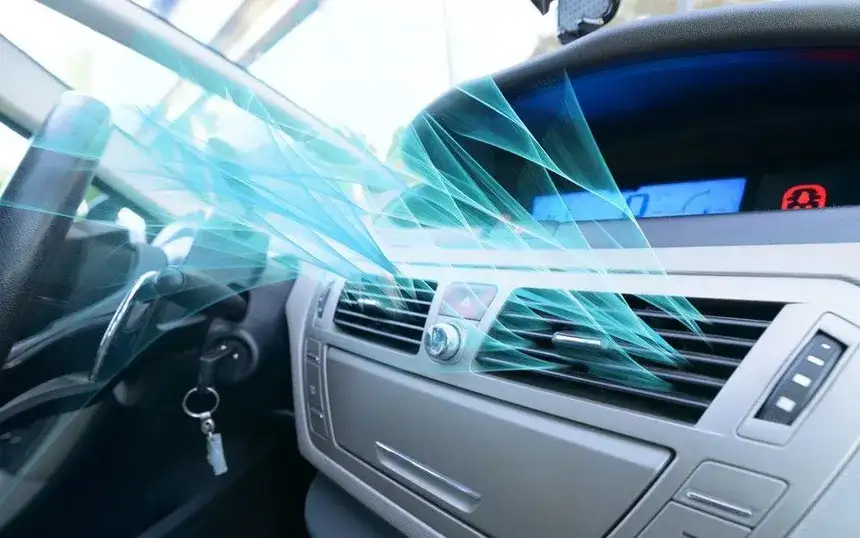
A Volkswagen Passat owner came into our service bay last July after his Climatronic system had been blowing warm air on his daily commute on the 215 for nearly two weeks. He had taken it to an independent shop on Baseline Street that recharged the refrigerant without diagnosing the underlying cause. The recharge cost $180 and the system blew cold for four days before returning to warm. The correct diagnosis at our facility identified a failing expansion valve that had been allowing refrigerant to bypass the evaporator. The proper repair cost $420 and has not required any follow-up service since.
San Bernardino summers are not the place to discover your Volkswagen’s Climatronic system has stopped working. When the temperature on the 215 north of Baseline Street is pushing 108 degrees and the cabin air coming from the vents matches it, a malfunctioning climate control system stops being a comfort issue and starts being a safety one. Heat exhaustion in a vehicle without functioning air conditioning during a San Bernardino summer is a genuine medical risk, particularly for families with young children or elderly passengers who use vehicles like the Atlas or Tiguan for daily errands around Hospitality Lane and the Inland Center area.
The Volkswagen Climatronic system is one of the more sophisticated automatic climate control systems in the mainstream automotive segment. Unlike a basic manual AC system that simply blows cold air when you push a button, Climatronic uses a network of sensors, an electronic control module, and a blend door actuator system to maintain a specific cabin temperature regardless of what the outside conditions are doing. That sophistication is what makes a properly functioning Climatronic system so effective in San Bernardino’s extreme heat. It is also what makes diagnosing a malfunction more involved than simply checking whether the system has refrigerant, which is where most independent shops without Volkswagen-specific training stop their diagnostic process.
At Volkswagen San Bernardino, Climatronic complaints increase every June and peak through August, and the pattern of what causes them and what resolves them correctly is consistent enough that every VW owner in the Inland Empire deserves a clear understanding of how the system works, what goes wrong with it in Southern California’s heat environment, and what correct diagnosis and repair actually involves.
How the Climatronic System Works and Why It’s Different
A basic manual AC system in most vehicles operates as an on-off system with driver-controlled fan speed and temperature blend. The driver sets the temperature by adjusting how much cold air mixes with hot air through a manual blend door, and the compressor cycles on and off based on refrigerant pressure rather than cabin temperature. This approach is simple and serviceable but requires constant driver adjustment as outside conditions change, which on a San Bernardino summer day means the system that kept the cabin comfortable at 8 AM needs significant recalibration by 2 PM.
The Climatronic system works differently. The driver sets a target cabin temperature, and the system’s control module continuously adjusts the blend door position, fan speed, air distribution, and compressor output to maintain that temperature automatically. Sensors in the cabin measure actual air temperature, a solar load sensor measures the radiant heat from direct sunlight through the glass, and the ambient temperature sensor measures outside conditions. The control module integrates all of those inputs and adjusts system output in real time without driver input. On a 108-degree afternoon on the 215 near the Baseline Street interchange, the Climatronic system is making dozens of adjustments per minute to maintain the cabin at the driver’s set temperature.
That integration is why a refrigerant recharge without proper diagnosis frequently fails to resolve a Climatronic complaint. The system has multiple components that can produce warm air symptoms, and only one of them is refrigerant quantity. A shop that recharges without identifying which component is actually failing has addressed one possible cause without ruling out any of the others.
What Southern California’s Heat Does to Climatronic Components 🌡️
San Bernardino’s climate creates specific stress patterns on the Climatronic system’s components that are less common in milder markets. Understanding which components are most vulnerable in this environment helps explain why certain failures appear repeatedly in our service bay during summer months.
The expansion valve, which controls the flow of refrigerant from the high-pressure side of the system to the low-pressure evaporator, operates under significant thermal stress in vehicles that cycle between the extreme heat of a parked interior in San Bernardino and the operating temperatures of a running system. Interior temperatures in a parked vehicle on Camino Real or in the Inland Center parking area can exceed 150 degrees on a July afternoon. The repeated thermal cycling between those parking temperatures and the operating temperatures of a running AC system stresses the expansion valve’s precision metering function in ways that vehicles in milder climates experience more gradually.
The blend door actuators, which are small electric motors that position the doors controlling airflow distribution inside the HVAC housing, are another component that San Bernardino’s heat environment affects. The plastic gearing in these actuators can develop dimensional changes from repeated exposure to extreme heat that eventually affect the actuator’s ability to hold its position accurately. A blend door actuator that is not holding its commanded position introduces warm air into the airflow regardless of what the compressor and refrigerant system are doing, which produces the symptoms of a refrigerant failure without any refrigerant issue being present.
The Climatronic control module itself is located inside the dashboard in an environment that regularly exceeds its intended operating temperature range during parked-vehicle heat soaking. Module failures from heat-related component degradation are more common in Inland Empire Volkswagens than in vehicles in coastal or northern California markets, and they produce the full range of Climatronic complaints from intermittent function to complete failure.
What Correct Climatronic Diagnosis Costs vs. What Misdiagnosis Costs 💰
The cost structure of Climatronic service reflects the importance of correct diagnosis on the first visit:
- Climatronic system diagnostic (full electronic and refrigerant): $95 to $145
- Refrigerant level check and leak test: $65 to $95
- Expansion valve replacement: $280 to $420
- Blend door actuator replacement: $185 to $320
- Climatronic control module replacement: $450 to $780
- Refrigerant recharge (after correct diagnosis confirms low charge): $120 to $180
Correct diagnosis and repair on first visit: $280 to $780 depending on the actual failed component
Misdiagnosis pathway costs:
- Refrigerant recharge without diagnosis (symptom returns): $180 per visit
- Multiple recharges before correct diagnosis: $360 to $540
- Subsequent correct diagnosis and repair: $280 to $780
- Combined cost of getting it wrong first: $640 to $1,320 for a repair that correct diagnosis resolves for $280 to $780
The refrigerant recharge is the lowest-cost Climatronic service and the most frequently applied incorrectly. When it resolves the complaint permanently, it was the right diagnosis. When the warm air returns within days or weeks, the recharge was a treatment of a symptom rather than a cause.
A Fontana Commuter Who Got It Right the Second Time
A Volkswagen Tiguan owner from Fontana came in last August after two refrigerant recharges at two different shops had both failed to resolve a warm air complaint that returned within a week each time. She had spent $360 on recharges before coming to us. When our technician connected the Climatronic diagnostic system and performed a full system evaluation, the blend door actuator for the driver-side temperature zone was found to be failing to hold its commanded position, introducing a consistent warm air mixture into the driver-side airflow regardless of refrigerant charge level. The actuator replacement cost $265. Her system has blown cold on every subsequent drive on the 10 and 215 corridors since. The two recharges that preceded the correct diagnosis had cost her $360 for temporary relief and had not identified the component that was actually failing.
Warning Signs Your Climatronic System Needs Attention ⚠️
San Bernardino’s heat environment produces a recognizable set of Climatronic failure patterns. These indicators help narrow the cause before you bring the vehicle in, which accelerates the diagnostic process and reduces the time your vehicle spends in our service bay:
Warm air from one side only while the other side blows cold: The Climatronic system’s dual-zone capability uses separate blend door actuators for the driver and passenger sides. Warm air from one zone with normal cold air from the other almost always indicates a blend door actuator failure on the warm side rather than a refrigerant or compressor issue, which affects both sides simultaneously.
System that blows cold in the morning but warm by afternoon: A system that functions correctly during the cooler morning commute on the 215 but produces warm air on the return trip in peak afternoon heat is responding to heat-related component stress that only appears at elevated temperatures. This pattern points to a component that is marginal at normal temperatures and failing at San Bernardino’s summer operating temperatures.
Climatronic display that shows the correct set temperature but doesn’t achieve it: A display showing 68 degrees while the vents produce warm air indicates the system’s output is not matching the control module’s commands. This disconnect between commanded and actual performance points to an actuator, sensor, or module issue rather than a refrigerant problem, which affects the system’s ability to produce cold air regardless of what the display shows.
AC compressor that runs continuously without achieving cabin cooling: A compressor that is cycling normally but not producing cabin temperature reduction despite running continuously indicates the refrigerant circuit is moving but not exchanging heat effectively, which points to an expansion valve or evaporator issue rather than low refrigerant charge.
Warm air accompanied by a clicking sound from the dashboard: Clicking from inside the dashboard that coincides with Climatronic complaints is the characteristic sound of a blend door actuator that is stalling against its travel limits. This symptom narrows the diagnosis significantly and is worth reporting specifically when you schedule service.
System that works normally after the vehicle has been running for 30 minutes but not before: A Climatronic system that requires an extended warm-up period before producing cold air in San Bernardino’s summer heat may have a control module that is heat-soaking to the point of correct function only after the HVAC housing temperature stabilizes. This pattern is the opposite of what a refrigerant issue produces and points to an electronic component rather than a mechanical one.
Refrigerant recharge that resolved the problem briefly but not permanently: As described in the opening story and the Fontana customer case, a recharge that holds for days rather than weeks or months is telling you the refrigerant is escaping through a leak or that the actual cause was never a refrigerant quantity issue in the first place.
What Our Service Team Says
“The mistake we see most often with Climatronic complaints in this market is the assumption that warm air means low refrigerant. In a basic manual AC system that assumption is right often enough that it becomes a habit. In the Climatronic system it is right maybe 30 to 40 percent of the time. The other 60 to 70 percent is a blend door actuator, an expansion valve, a sensor, or a module, and none of those are fixed by adding refrigerant. San Bernardino’s heat accelerates failures in all of those components in ways that make this market specifically prone to the Climatronic complaints that simpler systems don’t produce. The diagnostic step is not optional here. It is the difference between fixing the problem and temporarily masking it.” — Miguel Reyes, Senior Service Technician, Volkswagen San Bernardino
When the Right Diagnosis Changed Everything
Rosa drives her Volkswagen Atlas between San Bernardino and her workplace near the Ontario Mills area on the 10 freeway and came in after a summer of managing a Climatronic system that blew cold for the first 20 minutes of every drive before gradually warming as her commute progressed. She had been told by a friend to recharge the refrigerant, but the pattern she described, cold at startup and warm after extended running, is the inverse of what a low refrigerant condition produces, which typically shows reduced cooling under sustained demand rather than improved cooling at startup. Our diagnostic identified a failing ambient temperature sensor that was feeding the control module incorrect outside temperature data as the drive progressed, causing the module to progressively reduce compressor output based on a false reading. The sensor replacement cost $175 and corrected the progressive warming pattern completely. A refrigerant recharge would have done nothing.
Your 30-Day Climatronic Check
This week, run your Climatronic system at your normal set temperature on your next two or three commutes on the 215 or the 10 and note specifically whether both sides of the cabin reach and maintain the set temperature equally, whether the system maintains consistent output throughout the drive or degrades as the commute progresses, and whether any sounds from the dashboard accompany changes in system output. Those three observations, zone consistency, temporal consistency, and any associated sounds, give our technicians a significantly more useful starting point than a general report of warm air, and they narrow the diagnostic focus before the vehicle arrives.
Within two weeks, if your Climatronic system is producing any of the warning signs described above, schedule a diagnostic visit at Volkswagen San Bernardino before the refrigerant recharge conversation happens at a general shop. Bringing the vehicle to us first, with the specific observations you noted during your commute, allows the correct diagnostic process to happen before any service is performed rather than after a recharge that may or may not address the actual cause.
By month’s end, if your Climatronic system has been producing intermittent or degraded performance that you have been managing by adjusting the set temperature or tolerating warm periods during your commute, schedule a full system diagnostic before San Bernardino’s peak heat months push a marginal system into complete failure. A system that is struggling in June is almost always failing in August, and the repair cost of a complete failure during peak summer heat on the 215 is higher in every dimension than the cost of a diagnostic visit before the season peaks. These steps take less than a morning and address the climate control issue that San Bernardino summers make genuinely urgent rather than merely inconvenient.
Schedule Your Climatronic Service at Volkswagen San Bernardino
The Passat owner who paid $180 for a recharge that lasted four days came back to us after that experience, and this time the diagnostic was the first step rather than the last. The expansion valve replacement that followed cost $420 and has required no follow-up. He described the experience of driving on the 215 in August with a fully functioning Climatronic system as something he had forgotten was possible after two summers of managing a degraded system with workarounds. The difference between his first visit to the shop that recharged without diagnosing and his visit to us was one correct diagnostic step at the beginning of the process.
Our team at Volkswagen San Bernardino has the Climatronic-specific diagnostic tools, the training on VW’s electronic climate control architecture, and the San Bernardino heat-environment experience to identify what is actually failing in your system rather than what the most common assumption suggests.
Visit us at Volkswagen San Bernardino, 1600 Camino Real, San Bernardino, CA 92408. Our service department is open Monday through Saturday. Schedule your Climatronic diagnostic online through our website or speak with one of our service advisors directly. We serve drivers throughout San Bernardino, Fontana, Rialto, Colton, Ontario, and across the Inland Empire. San Bernardino summers are not forgiving to a Climatronic system that isn’t working correctly. Let’s find out what yours actually needs. ❄️
0 comment(s) so far on AC Blowing Warm? Troubleshooting the VW Climatronic System in the California Heat.