




2025 VW Jetta: Updated Service Recommendations & Tech Calibration
Last month, a 2024 Jetta came in with its entire IQ.DRIVE safety system disabled after the owner had their windshield replaced at a discount glass shop. The shop installed the glass but never recalibrated the forward-facing camera, leaving the driver without automatic emergency braking, lane keeping assist, or adaptive cruise control for 4,200 miles. The recalibration took two hours and cost $320. The proper calibration that should have been included with windshield replacement? Typically $180-220 when done immediately after glass installation.
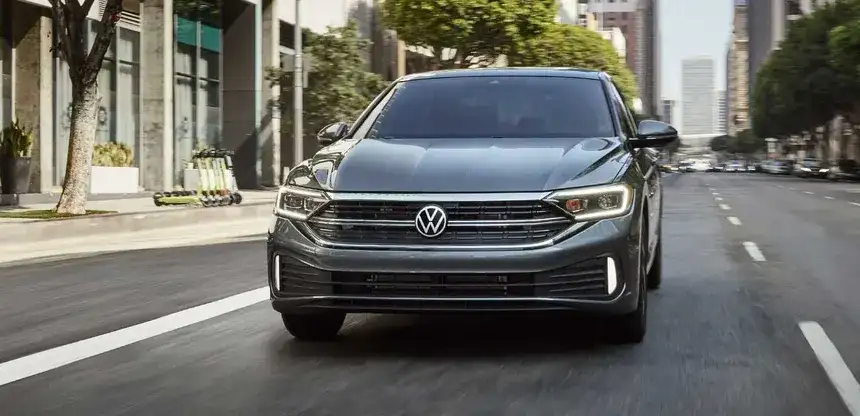
Your 2025 Volkswagen Jetta represents significant technological advancement over previous model years. The updated IQ.DRIVE driver assistance systems, revised engine management software, new electrical architecture, and enhanced safety features all deliver a more sophisticated driving experience than earlier Jettas.
But here’s what catches most Jetta owners completely off guard: these technological improvements come with updated maintenance requirements and calibration needs that differ from previous model years. Following outdated service schedules or ignoring calibration requirements puts your safety systems at risk and potentially voids warranty coverage.
This matters especially in San Bernardino, where our unique driving conditions create specific maintenance challenges. The temperature extremes from desert heat to mountain elevation, stop-and-go traffic on the I-10 and I-215, and air quality all affect how your Jetta needs to be maintained and calibrated.
What’s Actually New for 2025
Your 2025 Jetta features Volkswagen’s latest generation IQ.DRIVE system with enhanced camera resolution, improved processing power, and additional radar coverage. These upgrades deliver better performance in challenging conditions, but they also require more frequent calibration verification than previous systems. The cameras and sensors need to be positioned with extreme precision to function correctly.
The engine management system received significant software updates that affect how the 1.5-liter turbocharged engine delivers power and manages emissions. These updates changed oil consumption patterns, modified fuel injection timing, and adjusted how the engine responds to varying fuel quality. What worked for your 2023 or earlier Jetta doesn’t necessarily apply to your 2025.
Volkswagen updated the electrical architecture with new control modules and revised communication protocols. This affects everything from how software updates are performed to how diagnostic procedures work. Your 2025 Jetta communicates differently with diagnostic equipment than previous models, which is why Volkswagen-specific service becomes more critical than ever.
The brake-by-wire system integration with your IQ.DRIVE features means your braking and safety systems work together in ways previous Jettas didn’t. This integration requires proper calibration after any brake service, wheel alignment, or suspension work to ensure all systems coordinate correctly.
An early adopter brought his 2025 Jetta to us last fall after noticing his adaptive cruise control behaving erratically. The system would brake suddenly when approaching slower traffic, then accelerate too aggressively once traffic cleared. During inspection, we found the forward radar sensor had never been properly calibrated after delivery. The dealership where he purchased the vehicle hadn’t performed the post-delivery calibration procedure required for 2025 models.
His situation breakdown:
- Driving for three months with improperly calibrated safety systems
- Adaptive cruise and emergency braking functioning outside parameters
- Increased accident risk from system behavior
- Post-delivery calibration: $280
- Total consequence: Three months of compromised safety plus calibration cost
What should have happened:
- Proper post-delivery calibration before customer delivery: included in vehicle prep
- All safety systems functioning as designed from day one: priceless
- Smart total: Zero cost, proper protection from start
The Updated Service Schedule You Need
Your 2025 Jetta follows Volkswagen’s revised maintenance schedule with base intervals of 10,000 miles or one year for oil changes. However, Southern California driving conditions qualify as severe duty in multiple categories, which can modify these intervals significantly. The combination of heat, stop-and-go traffic, and air quality affects service needs.
Every 10,000 miles or annually, your Jetta requires oil and filter service using VW 508 00/509 00 approved synthetic oil. This low-SAPS specification protects your turbocharged engine and emissions equipment. The 2025 model year specifically requires this updated oil specification, which differs slightly from oils used in previous years. Using older specification oils, even if they’re “close,” provides inadequate protection for your engine’s updated components.
“The biggest confusion we’re seeing with 2025 models is owners assuming nothing changed from their previous Jetta,” says Carlos Mendoza, Lead Technician at our Camino Real location. “They use the same oil, follow the same intervals, ignore calibration needs. Then we find camera systems out of alignment, engine wear from incorrect oil specs, and safety features not working as intended. The 2025 is different enough that old habits create real problems.”
At each service interval, your IQ.DRIVE system requires verification. This doesn’t mean full recalibration every time, but technicians need to check that cameras are clean, sensors are functioning, and no fault codes are stored. We’ve found systems degrading gradually from dirty cameras or slightly misaligned sensors that owners never noticed until complete failure occurred.
Every 20,000 miles brings comprehensive inspection including brake system evaluation, tire rotation and inspection, cabin air filter replacement, and underbody inspection. Southern California’s unique combination of dust, heat, and occasional rain creates conditions where brake dust accumulation and rotor surface oxidation happen faster than in more humid climates.
At 30,000 miles, your Jetta needs spark plug inspection, engine air filter replacement, and what Volkswagen calls the “major inspection service.” For 2025 models, this service also includes mandatory IQ.DRIVE calibration verification to ensure all safety systems maintain factory specifications. This comprehensive service typically runs $450-650 depending on what’s actually needed.
Every 40,000 miles, if equipped with the DSG transmission, fluid service becomes due. The conventional six-speed automatic doesn’t require service until 60,000 miles under normal conditions, but severe duty operation can shorten this interval. Your brake fluid needs testing for moisture content, which accumulates even in dry climates from temperature cycling.
The IQ.DRIVE Calibration Reality
Your 2025 Jetta’s IQ.DRIVE system includes forward collision warning with automatic emergency braking, lane keeping assist, blind spot monitoring, and rear traffic alert. These features rely on cameras and radar sensors that must be positioned with extreme precision to function correctly. Even slight misalignment causes system degradation or complete failure.
The forward-facing camera behind your rearview mirror needs calibration any time your windshield is replaced, after any front-end collision repair, or following wheel alignment work. The camera detects lane markings and measures distance to vehicles ahead. If it’s aimed even 0.5 degrees off specification, it miscalculates distances and lane positions, causing your safety systems to respond incorrectly.
A Jetta owner came to us last summer after their lane keeping assist started pulling them toward the lane edge instead of keeping them centered. She’d had a wheel alignment performed at a tire shop after hitting a curb on Highland Avenue. The shop aligned the wheels correctly but never verified the lane keeping calibration afterward. The system was still compensating for the old wheel position, causing it to steer incorrectly relative to the new alignment.
Her cost breakdown:
- Wheel alignment: $120
- Driving with misaligned lane keeping for 2,800 miles: safety risk
- Lane keeping recalibration after the fact: $220
- Total: $340 plus weeks of compromised assistance
What proper service includes:
- Wheel alignment with immediate lane keeping verification: $180
- All systems properly coordinated from completion: included
- Smart total: $180 saves $160 and ensures immediate proper function
The radar sensors in your front and rear bumpers also require calibration after any collision repair, bumper replacement, or significant suspension work. These sensors detect vehicles in adjacent lanes for blind spot monitoring and approaching traffic for rear cross-traffic alert. Misaligned sensors create false alerts or, worse, fail to alert when danger actually exists.
Your 2025 model uses updated sensor technology with tighter calibration tolerances than previous years. What might have been “close enough” on a 2023 Jetta is completely inadequate for your 2025. The enhanced system capabilities require enhanced precision in setup and maintenance.
What Southern California Does to Your Jetta
Your Jetta faces unique maintenance challenges from our desert climate and urban driving conditions. Summer temperatures in San Bernardino regularly exceed 100 degrees, creating stress on cooling systems, air conditioning components, and all rubber seals and hoses throughout your vehicle. This accelerates wear and fluid degradation beyond what vehicles in moderate climates experience.
The temperature differential between morning and afternoon can exceed 40 degrees during spring and fall. Your engine, transmission, and all fluids experience constant expansion and contraction that stresses seals and promotes leaks. We see more oil seeps, coolant weeps, and transmission fluid leaks on Southern California vehicles than on identical models from temperate regions.
Air quality affects your Jetta’s filtration systems more severely than most regions. The combination of dust, smog, and particulate matter clogs engine air filters and cabin air filters faster than the baseline service schedule assumes. We regularly see air filters at 15,000 miles that are more restricted than 25,000-mile filters from cleaner environments.
A Jetta owner came to us last fall after noticing reduced air conditioning performance. During inspection, we found the cabin air filter completely clogged with dust and debris despite only 14,000 miles since the last replacement. The owner frequently drove through construction zones on the I-215 and surface streets around the National Orange Show Events Center, exposing the vehicle to excessive dust. The clogged filter restricted airflow by nearly 60%, forcing the AC system to work harder and reducing cooling capacity.
Stop-and-go traffic on freeways like the I-10 through San Bernardino creates constant load cycling on your engine and transmission. Your Jetta accelerates, idles in traffic, accelerates again, repeating this pattern for extended periods. This prevents components from reaching stable operating temperatures and creates maximum stress on fluids. Oil, transmission fluid, and coolant all degrade faster under these conditions than during steady highway driving.
The elevation changes matter when you drive toward the mountains or through Cajon Pass. Your turbocharged engine works harder against gravity, generating more heat and boost pressure than flat highway driving. The transmission constantly adjusts ratios to maintain speed on grades. All of this accelerates wear and fluid breakdown.
Warning Signs Your Jetta Needs Attention
Your 2025 Jetta’s sophisticated systems often compensate for developing problems until they become serious. The various control modules continuously adjust parameters to maintain smooth operation even as components age or calibrations drift. By the time you notice changes in vehicle behavior, the underlying issue is usually well advanced.
Watch for any dashboard warnings about your IQ.DRIVE system, even if they’re brief. Messages about camera obstruction, system unavailability, or reduced functionality indicate problems that need immediate attention. These systems are critical safety features, not convenience options you can ignore until later.
If your adaptive cruise control behaves differently than when new, the radar sensor may need cleaning or recalibration. Common symptoms include following other vehicles at noticeably different distances, braking too aggressively or too gently, or occasional disengagement without obvious cause. These changes indicate sensor issues that compromise system effectiveness.
Pay attention to your lane keeping assist behavior. If it feels less confident than before, pulls you toward lane edges instead of keeping you centered, or activates inappropriately when lanes are clear, your camera likely needs cleaning or recalibration. These gradual changes are easy to miss day-to-day but indicate real problems.
Watch for any unusual engine sounds during cold starts or acceleration. A brief rattle or knock indicates timing chain tensioner issues from oil that’s degraded or incorrect specification. The turbocharged 1.5-liter engine is sensitive to oil quality, and problems appear quickly when maintenance is inadequate.
Monitor your fuel economy carefully. The 2025 Jetta should average 35-38 MPG in combined driving with normal loads. A drop of more than 2-3 MPG without obvious cause suggests something needs attention. Often it’s spark plugs, air filters, or carbon buildup affecting combustion efficiency, all of which are most easily addressed when caught early. 🔧
The Technology Maintenance You Didn’t Know About
Beyond traditional mechanical maintenance, your 2025 Jetta requires technology maintenance that many owners never consider. The cameras and sensors that enable your IQ.DRIVE features need regular cleaning and verification to function correctly. A dirty camera lens or sensor face reduces system effectiveness well before triggering a complete failure warning.
Your forward camera, mounted behind the rearview mirror, collects microscopic film from dashboard outgassing and windshield treatments over time. This isn’t something you can see, but it gradually degrades image quality and system performance. Professional camera cleaning every 15,000-20,000 miles maintains optimal function.
The radar sensors in your bumpers accumulate road spray, bug residue, and dust that affects signal quality. These sensors use radio waves that penetrate dirt better than cameras handle obstruction, but heavy accumulation still degrades performance. Regular sensor cleaning during routine service prevents gradual performance loss.
Software updates are another critical maintenance item that didn’t exist with older vehicles. Volkswagen regularly releases updates that improve system performance, fix bugs, or address newly discovered issues. Your 2025 Jetta should have software checked during every service visit to ensure it’s running the latest versions.
A Jetta owner came to us last spring after noticing his automatic emergency braking seemed less responsive than when the car was new. During inspection, we found his software was three updates behind current versions. One of those updates specifically addressed emergency braking sensitivity in certain lighting conditions. The software update took 45 minutes and was covered under warranty, but he’d been driving for months without the improved protection.
Your 30-Day Jetta Tech Care Plan
This week: Verify your IQ.DRIVE system is functioning correctly by testing each feature in safe conditions. Find an empty parking lot or lightly trafficked road and verify your lane keeping assist responds appropriately to lane markings. Test your adaptive cruise control to ensure it maintains proper following distance. Check that blind spot monitoring detects vehicles in adjacent lanes. Document how everything feels when working correctly so you’ll notice any future changes. Review your service history through the MyVW app to verify when your last calibration check was performed and whether you’re due for any upcoming services.
Within two weeks: Perform a thorough inspection focusing on technology components. Clean your windshield thoroughly, paying special attention to the area around the camera behind your rearview mirror. Inspect the radar sensor locations in your front and rear bumpers for any damage, dirt accumulation, or obstructions. Check all tire pressures as proper inflation affects how your electronic stability control and traction systems function. Look under the hood for any obvious issues like loose connections or fluid leaks that could affect electronic systems. Take photos of anything concerning to document conditions and show your service advisor.
By month’s end: Schedule your next service appointment even if it’s several weeks away. If you’re approaching 10,000, 20,000, 30,000, or any major interval, get it on the calendar now. Specifically request IQ.DRIVE system verification and ask about software updates. Mention any changes you’ve noticed in how safety systems behave. If you’ve had any glass work, collision repair, or alignment work done since your last VW service, inform them so proper calibration can be performed. These three checks take less than thirty minutes combined but ensure your technology features protect you as Volkswagen designed them.
The Investment Math for Modern Technology
Consider what proper maintenance including technology calibration actually costs versus the consequences of ignoring these updated requirements. For your first 40,000 miles, proper maintenance includes four oil changes at $125 each ($500), calibration verifications at major services ($200), multiple filter replacements ($280), spark plug service ($220), and routine inspections. Total investment: approximately $1,600-1,900 over three years.
Now look at what we see from owners who ignored calibration needs or followed outdated schedules. One windshield replacement with delayed calibration ($320 for late calibration after driving uncalibrated), one accident that properly functioning emergency braking might have prevented ($1,000 deductible plus insurance increase), one engine carbon cleaning from wrong oil specification ($580), plus maintenance that eventually happened anyway. Total: $2,200-2,800, not including safety risks, stress, and inconvenience.
The warranty implications are significant with technology-dependent vehicles. Volkswagen’s warranty covers system malfunctions but not damage from improper maintenance or ignored calibration requirements. If your emergency braking fails to activate and investigation shows the camera was never recalibrated after windshield replacement, warranty coverage may be denied. A replacement camera and calibration becomes your $800-1,200 expense instead of a warranty repair.
Your 2025 Jetta was engineered to deliver advanced safety and assistance features for the life of the vehicle when properly maintained and calibrated. The technology that makes your Jetta safer and easier to drive requires attention that goes beyond traditional mechanical maintenance. Ignoring these requirements doesn’t just risk system failure. It risks the safety these systems were designed to provide.
Schedule your 2025 Jetta service today by calling our service department or booking online through your MyVW app. Our technicians receive specific training on 2025 model updates, use Volkswagen-approved diagnostic and calibration equipment, and understand the relationship between mechanical maintenance and electronic system function.
You’ll find us at 1600 Camino Real in San Bernardino, conveniently located near the I-215 freeway and easily accessible from Highland, Redlands, and throughout the Inland Empire. We offer comprehensive service that addresses both traditional maintenance and modern technology calibration needs in a single visit.
Proper maintenance following 2025 specifications protects your investment, prevents the system failures that come from outdated service schedules, and ensures your technology features work exactly as Volkswagen engineered them for your protection. That’s the reliability and safety proper modern service delivers.
0 comment(s) so far on 2025 VW Jetta: Updated Service Recommendations & Tech Calibration